

Camara Wants No. 50 at Haas — Bortoleto Already Has His First Choice
GOATIFYRafael Camara already has his Formula 1 seat for 2027. Now he has chosen the number he wants to carry into it. The 21-year-old Brazilian, confirmed as Esteban Ocon's replacement at Haas, preferred number 5. Fellow Brazilian Gabriel Bortoleto already uses it, so Camara has settled on 50, a reference to his May 5, 2005 birthday.
The October 20 number reveal illuminates a rapid ascent: a Ferrari-backed junior leading Formula 2, an unusually consequential private test, and a Haas team investing in the next generation. The number remains a preference until the FIA publishes the official 2027 entry list. The choice itself is a small detail; the larger question is whether a successful junior can convert that momentum into the demanding rhythm of a full Formula 1 season.
Why Camara chose 50 — and why his first choice was unavailable
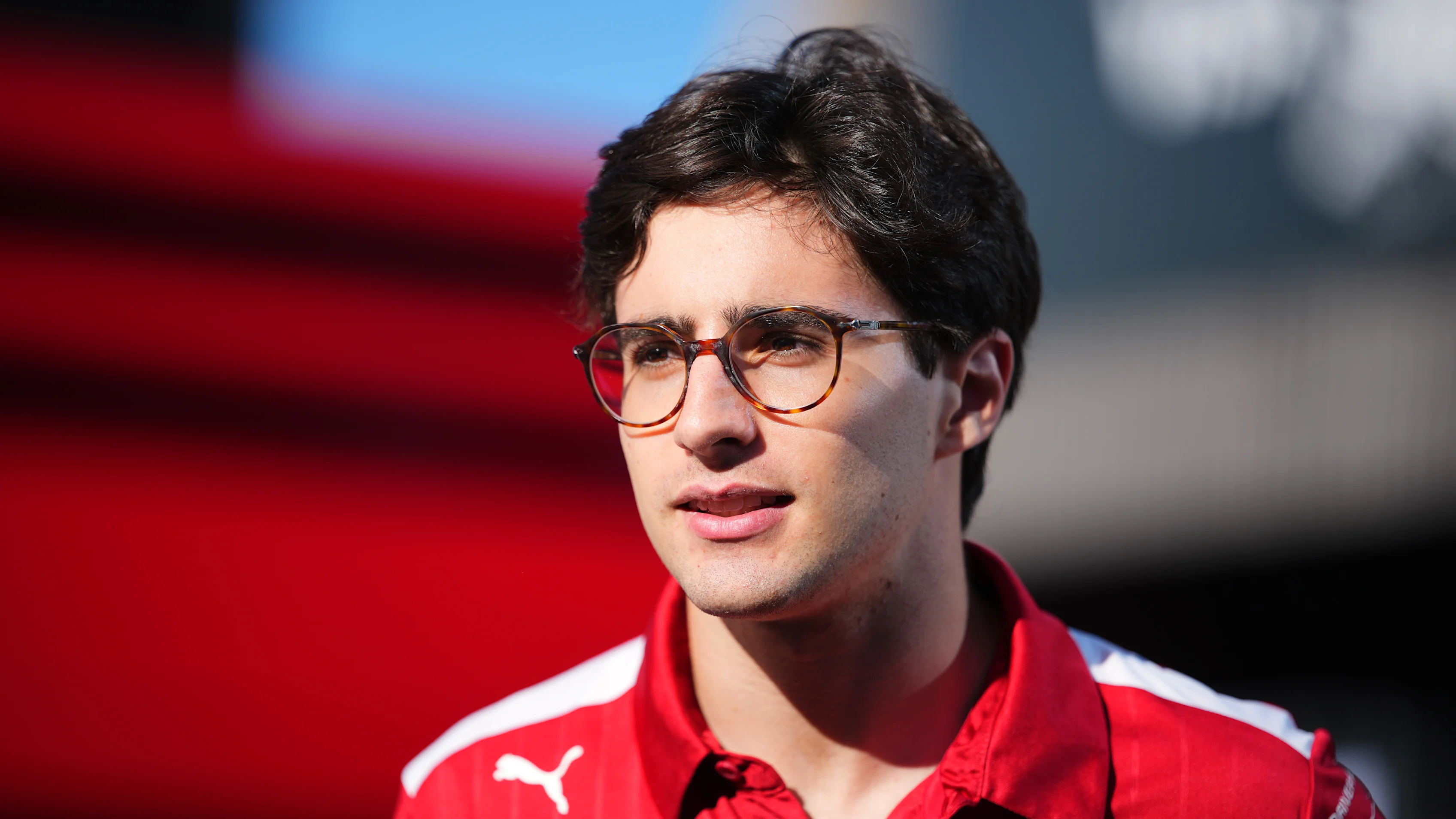
The number choice is an early piece of the new Haas driver's identity. His preferred single digit was unavailable, so he selected 50 as an alternative connected to his birthday. The preference still needs to be confirmed on the official 2027 entry list. A driver discussing a number does not mean it has already been allocated. Permanent race numbers are memorable, but they do not affect the competitive picture.
What makes the announcement interesting is the rapid progression behind it. The incoming rookie joined a major team's junior programme in 2022 and built an impressive sequence of results. He won Formula Regional in 2024 and Formula 3 in 2025. In his debut Formula 2 campaign he leads his closest rival by seven points, with three Feature Race victories and four additional podium finishes. Haas is therefore investing in someone who has adapted quickly to each new category.
The number also links two young Brazilian racers in an unusual way. Both have earned opportunities with different teams, and the choice of five by the driver already on the grid left the incoming rookie looking for an alternative. That coincidence is a memorable story, not evidence of any rivalry. It should be treated as a personal decision rather than a prediction of future results. The real comparison will come when both compete in Formula 1 machinery.

The two-day Portimão test that convinced Haas
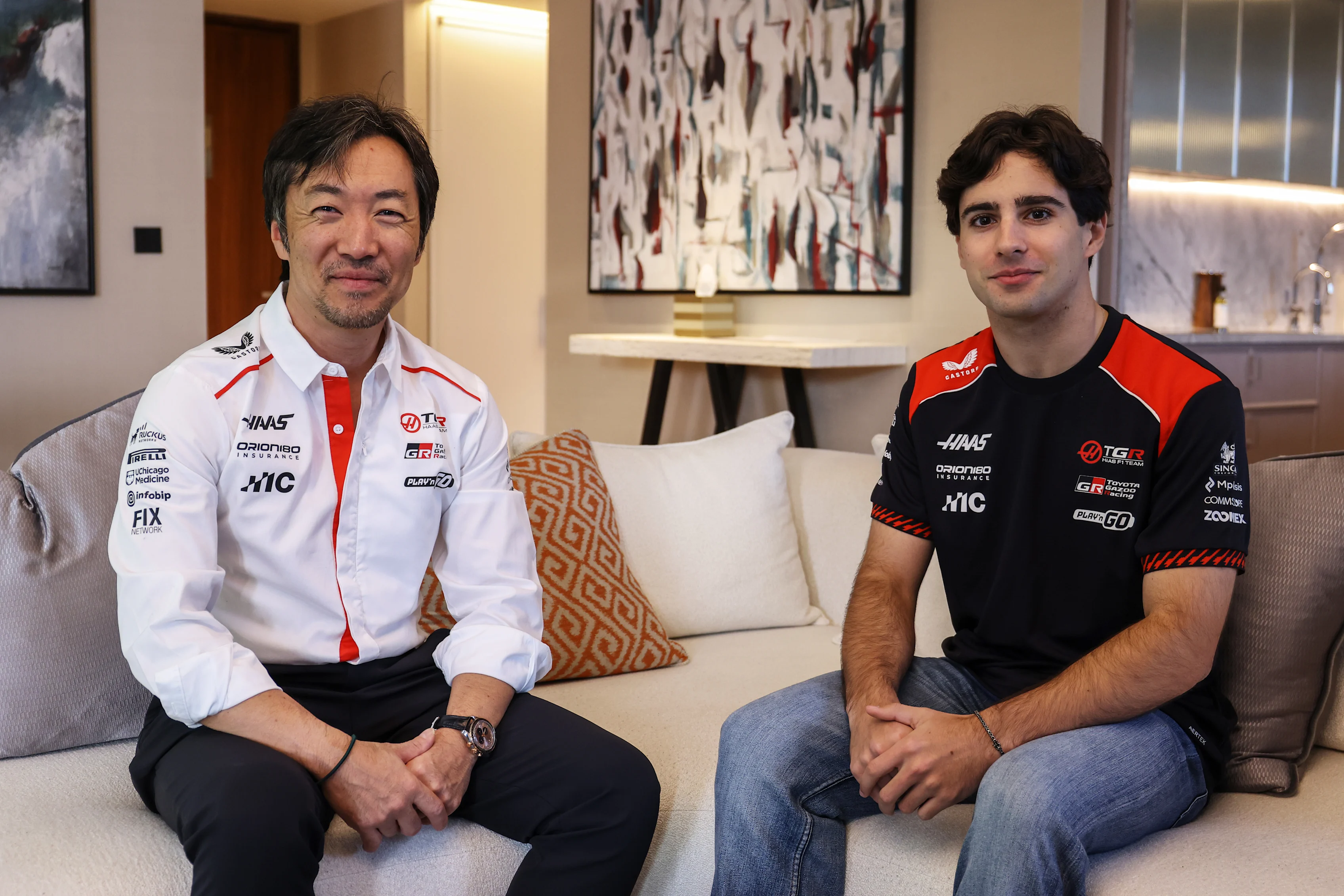
The most important number in this promotion may be two: the days the incoming driver spent testing a previous Haas Formula 1 car at Portimão in August. The private programme let the team assess how a Formula 2 leader handled a faster machine without the comfort of a familiar circuit or full race-weekend preparation.
The test involved an experienced reserve driver as another candidate. The young contender knew it could influence whether he moved into Formula 1 immediately. He described the experience as intense, with a new car, track and team to understand at once. Rather than focus only on the stopwatch, he concentrated on applying feedback and completing each run effectively. That matters in a category where engineering communication can be as important as a fast lap.
The team principal later emphasised more than raw pace when explaining the decision. Junior-category qualifying performances were persuasive, but the test showed that the rookie could build a productive working relationship with engineers. A smaller team particularly benefits from clear feedback and disciplined development.
Two days cannot reproduce Grand Prix traffic, tyre strategy or an entire season. The test used a previous car, not the 2027 design. Nevertheless, it helped convert a promising junior record into a multi-year contract. The offer arrived while the driver was in Milan, allowing him to share the news with his parents in person.
What Camara's arrival changes for Bearman, Ocon and Haas
The promotion comes with a direct consequence for the current grid. Esteban Ocon has confirmed that he will leave Haas at the end of 2026, opening the seat for the Brazilian rookie. Ollie Bearman is expected to remain, although the competitive level of the team's 2027 car cannot yet be known.
Haas is again trusting a Ferrari-developed youngster rather than automatically choosing experience. Bearman's route offers a useful comparison: he also emerged through Ferrari's academy, and the team owner has highlighted how that pathway can prepare drivers for an immediate contribution. A rookie can bring long-term continuity and fresh energy, but the learning curve may cost points in the short term.
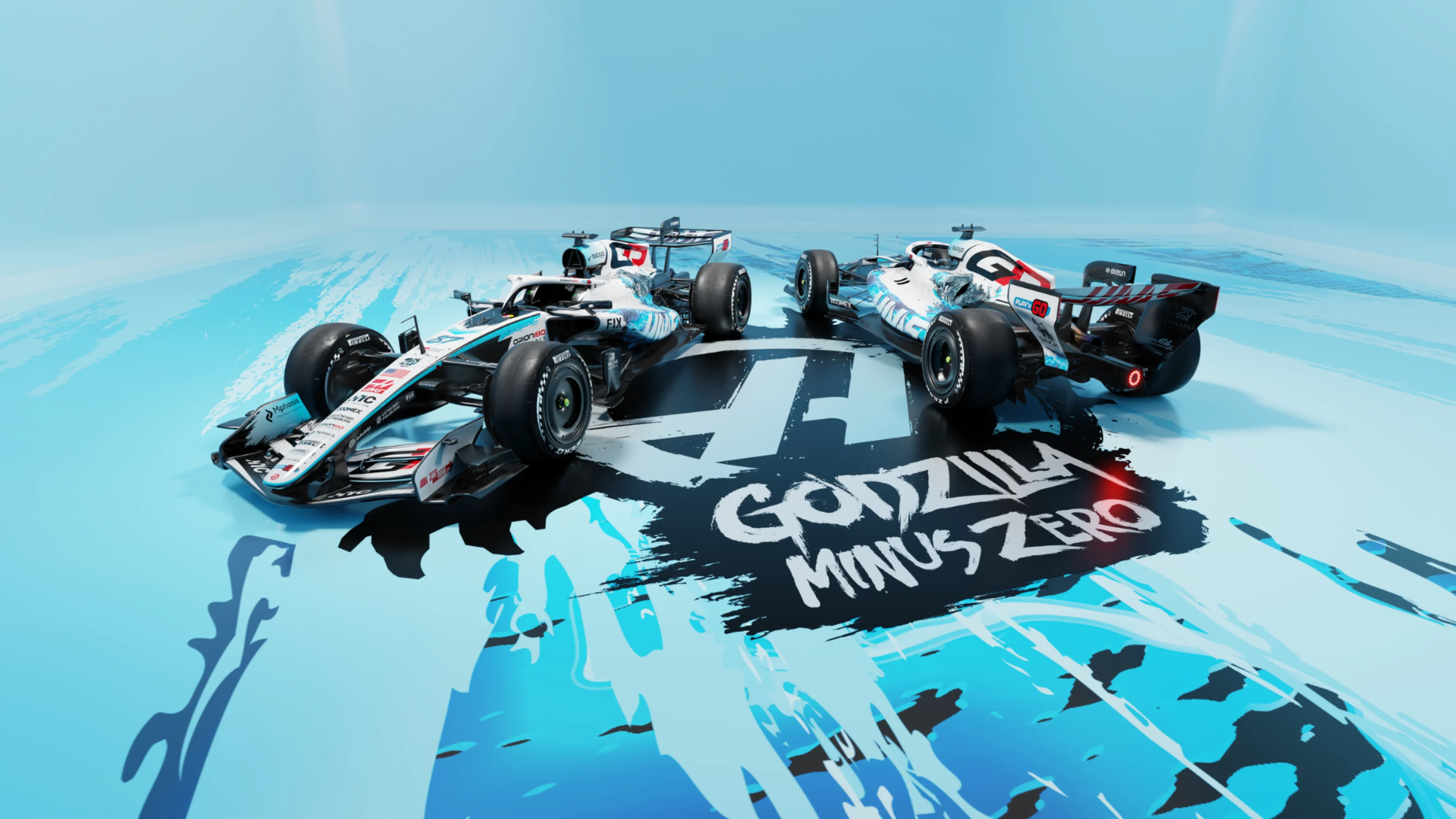
The timing is revealing. Haas is preparing for its home United States Grand Prix in Austin on October 23–25, where the current VF-26 cars will carry a special Godzilla-themed livery. That design belongs to the outgoing 2026 campaign, not the rookie's 2027 machine. The image illustrates the team he is joining rather than predicting what his debut car will look like.
His immediate focus remains the Formula 2 championship. A seven-point lead over his nearest rival is meaningful but far from decisive. Finishing the junior season strongly would add another title to an already impressive record. The Haas agreement is secure, but it is the work across full race weekends — not the symbolism of a chosen number — that will determine how quickly the next chapter succeeds.

Number 50 tells a personal story, but the driver's work behind the wheel will give it meaning. The birthday connection is memorable, and losing his first choice to another Brazilian is a neat coincidence. More important is that a Ferrari academy graduate has turned consecutive junior-category success and a high-pressure private test into a full-time 2027 Formula 1 opportunity.
The team has made a calculated investment. It will benefit from a young racer who has repeatedly adjusted to more demanding machinery, but the next step is not automatic. The first season will test his ability to manage tyres, communicate with engineers, handle starts and maintain performance across unfamiliar circuits. A promising test is a beginning, not a guarantee of points.
Before that debut, there is an F2 championship to settle and an FIA entry list to confirm. The remaining junior races will provide another opportunity to demonstrate consistency under pressure. The team can prepare its development programme and the driver can continue learning, but neither can know exactly how the next car will compare with its rivals. The number is chosen; the competitive reputation still has to be earned.

















