Verstappen Finally Won in 2026 — But Sepang Changed the Title Race Too
GOATIFYSepang gave Formula 1 the kind of race that can rearrange an entire season in one afternoon. Max Verstappen started from pole, lost the lead to both Mercedes cars at the eventual standing start, then recovered through the wet-to-dry transition to claim his first victory of 2026. Behind him, Kimi Antonelli turned second place into an 84-point championship lead, Lewis Hamilton rescued a Ferrari podium after falling to 18th, and George Russell's late power-unit failure turned a difficult day into a potentially decisive one.
The result mattered because almost every major thread of the season collided at once: Red Bull's slow climb back toward the front, Mercedes' internal title fight, Ferrari's strategic risk-taking and the still-unsettled behavior of the 2026 power units in extreme conditions. Verstappen won the race, but Sepang revealed much more than a single winner.
The Rain Exposed a 2026 Problem Before the Race Even Started
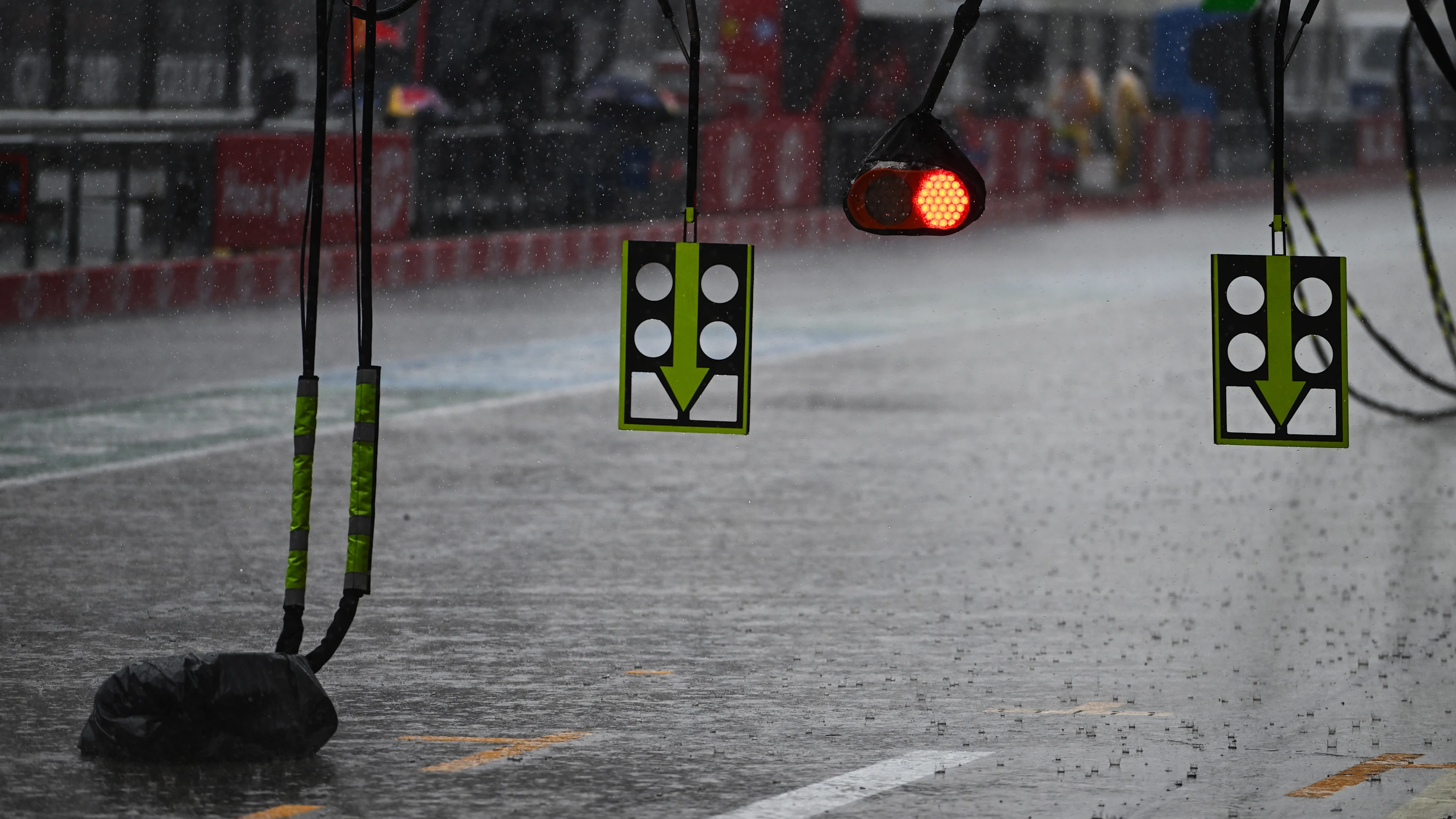
The first major battle at Sepang was not between drivers. Torrential rain arrived shortly before the scheduled start and left enough standing water for Race Control to delay proceedings. When the field finally rolled away behind the Safety Car, a stranger problem appeared: several cars struggled to maintain power at the unusually low speeds required in the wet.
Verstappen reported that he could not accelerate. Hamilton suffered throttle trouble severe enough to stop on track before getting going again. Other cars also encountered issues, forcing the start procedure to be suspended while teams and officials worked through software changes. The episode was especially uncomfortable because the new-generation power units place a much greater emphasis on electrical energy management. Conditions that should have showcased driver feel instead exposed how complicated the systems can become when speed, grip and energy deployment all fall outside the expected window.
That chaos also reset the strategic picture. By the time the race could actually start, the rain had eased and the track was drying quickly. Teams suddenly had to choose between the security of intermediates and the potential upside of slicks. The delay did not simplify the race; it created the decision that would define the opening phase.
Verstappen Lost the Lead — Then Won the Strategic Race
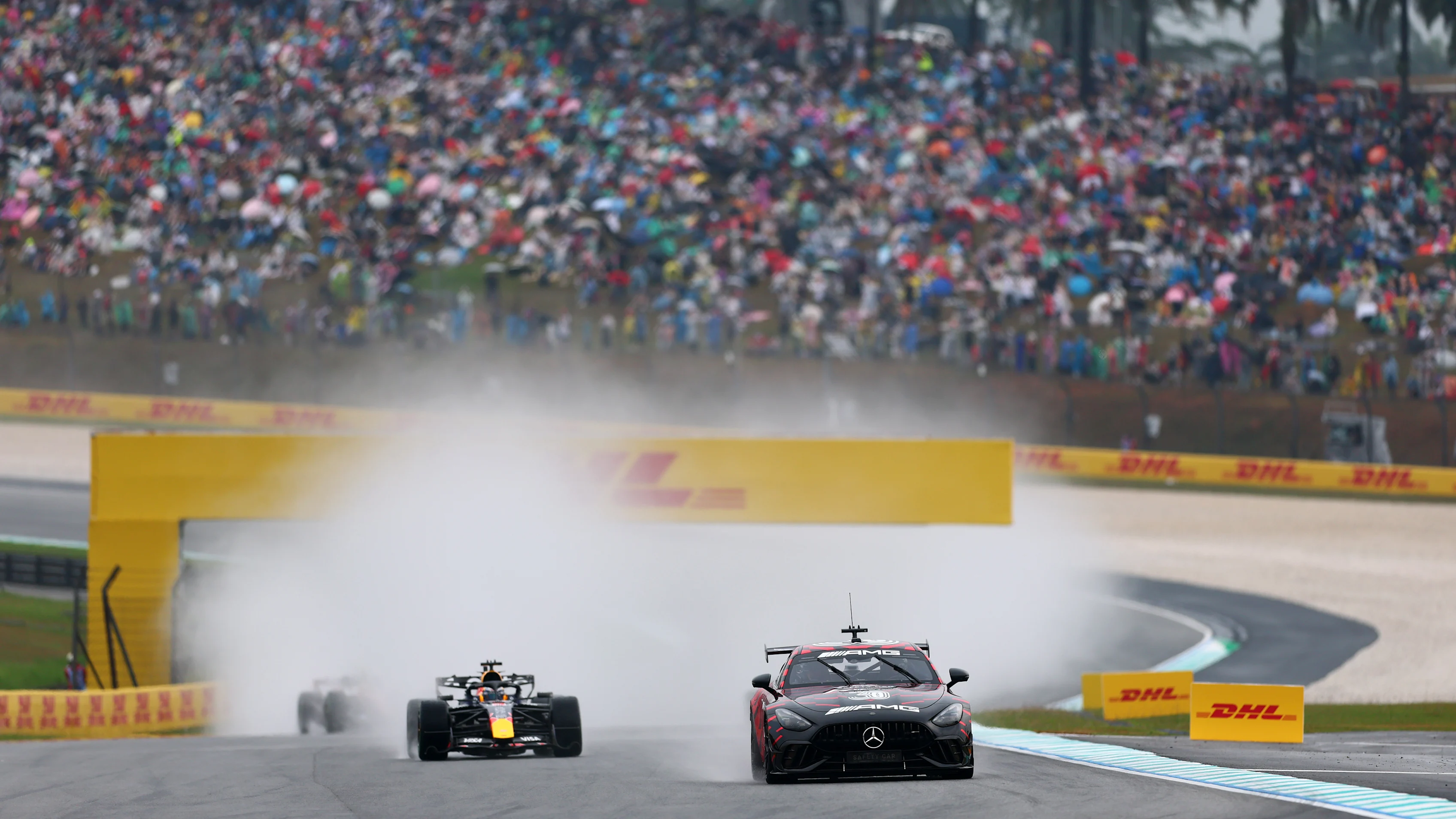
When the lights finally went out, Verstappen's pole position disappeared almost immediately. Antonelli and Russell launched past him and put Mercedes first and second into Turn 1. In a normal dry race, surrendering track position to two cars from the same team could have boxed Red Bull into a difficult strategic fight. In these conditions, the more important advantage was that Verstappen had started on intermediates.
Ferrari and McLaren were among the teams willing to gamble on slicks. The surface was not ready. Drivers on dry tyres slid backward while the intermediate runners could attack with confidence. Verstappen passed Russell on lap six and then used the first Safety Car period, triggered by Valtteri Bottas spinning off, to close on Antonelli. He retook the lead through the opening sequence of corners after the restart and began to build the gap.
The significance was bigger than one correct tyre choice. Red Bull had spent much of 2026 trying to turn isolated flashes of pace into a complete weekend. Sepang was the first time it put pole position, adaptable race pace and clean execution together. Verstappen had more than ten seconds in hand before the late neutralisation. That margin showed the win was not simply a lottery created by rain.

Hamilton Turned Ferrari's Wrong Call Into a Podium
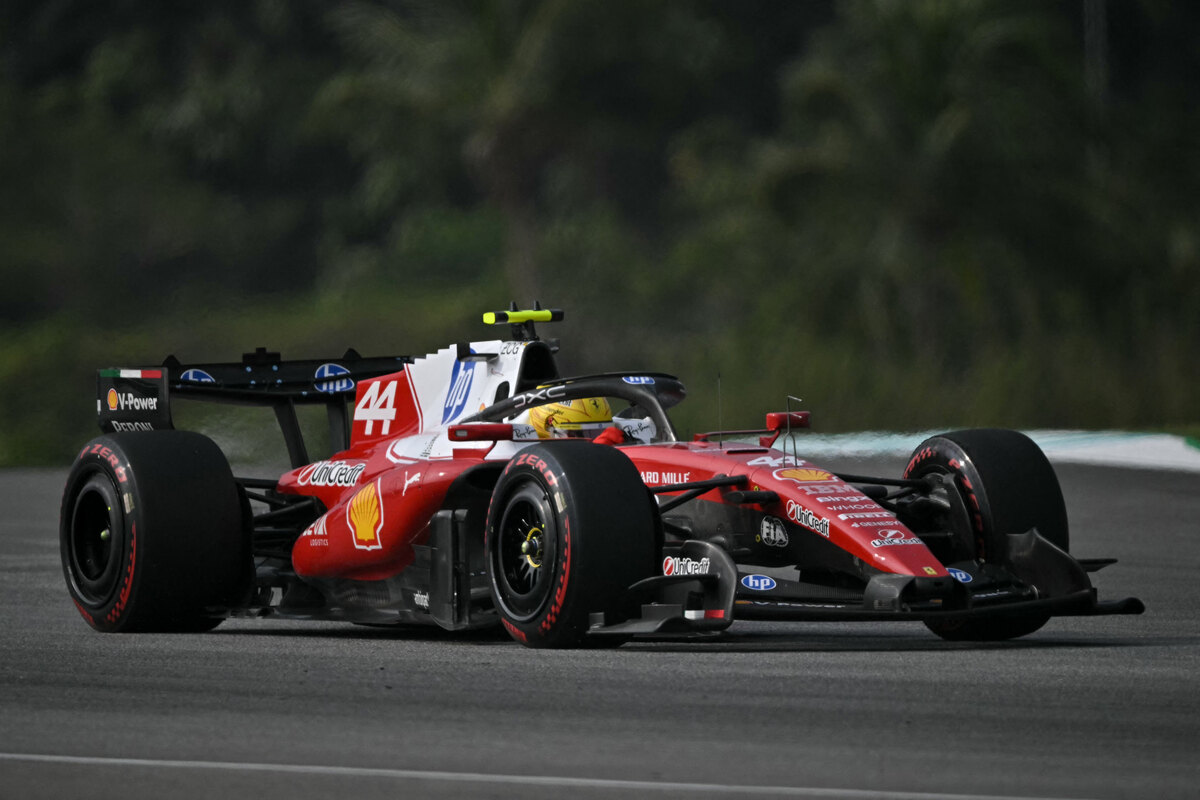
Ferrari's opening gamble looked disastrous. Hamilton and Charles Leclerc committed to slick tyres while the leading contenders stayed on intermediates, and both immediately lost huge amounts of time. Hamilton fell as low as 18th and at one stage sat more than a minute behind the leaders. On a conventional afternoon, that would have ended any realistic podium chance.
Instead, Hamilton resisted the temptation to immediately undo the decision. As the track improved, his slick tyres finally came alive, and the first Safety Car compressed the field before the deficit became terminal. From there he produced one of the strongest recovery drives of the race, climbing through the order and eventually passing Isack Hadjar after the late restart for third. Leclerc followed him through to fourth.
The comeback did not erase the original mistake, but it changed the lesson. Ferrari had enough underlying speed to recover from a strategy call that put both cars on the wrong side of the conditions. Hamilton's pace also mattered in a season where Mercedes has often controlled the championship conversation. A podium from 18th kept Hamilton relevant in the standings and showed Ferrari can still punish the leaders when a race becomes unstable.

Russell's Failure Made Antonelli's Second Place Feel Like a Win
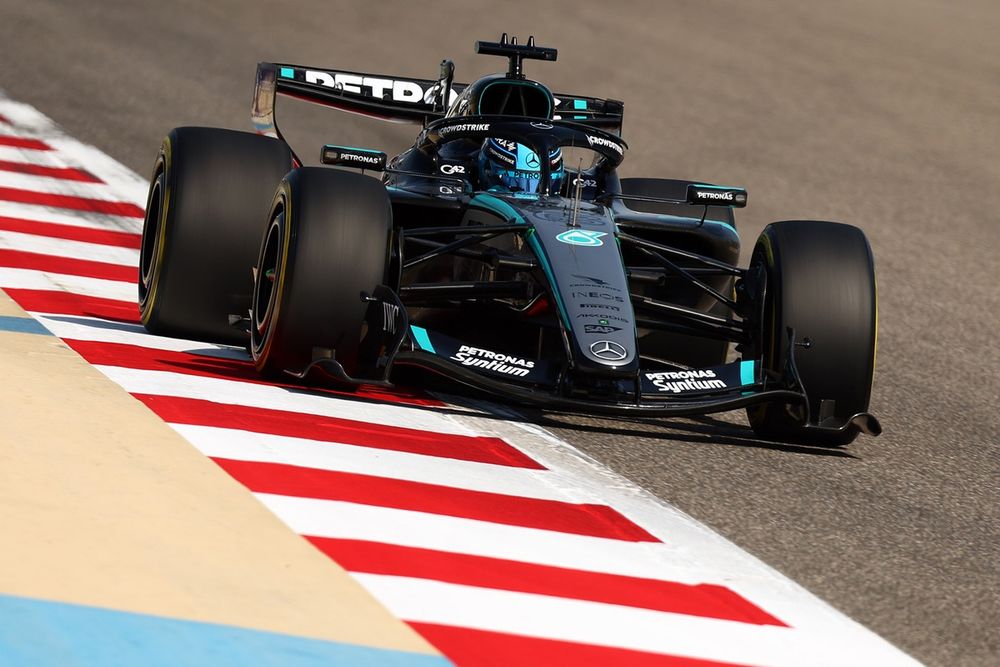
For most of the afternoon, Mercedes looked positioned to leave Malaysia with two cars on the podium. Antonelli led at the start, Russell ran near him, and even after Verstappen reclaimed first the pair remained central to the race. Then the championship equation changed behind the Safety Car with five laps remaining.
Russell's Mercedes stopped with a suspected power-unit problem while he was running third. The retirement converted what would already have been a useful Antonelli result into a huge title swing. Antonelli finished second, only 2.307 seconds behind Verstappen, and left Sepang 84 points clear of Russell with seven rounds remaining. A week after Russell's Baku victory had reopened a small window, Malaysia slammed it nearly shut.
Antonelli did not need to win to be the biggest championship beneficiary. He survived the wet start, made the correct tyre choice, fought Russell directly and banked 18 points on a day when his closest rival scored none. That is how championships often become decisive: not through one spectacular attack, but through maximizing a chaotic weekend while the challenger suffers a zero.
Verstappen's 72nd career victory remains the headline, and Red Bull's first win with its own power-unit project is an important milestone. But the lasting consequence of Sepang may be that the championship moved much closer to Antonelli at the exact moment Red Bull finally rediscovered winning form.
There is another reason the 84-point margin matters. With only seven rounds left, Russell can no longer rely on simply being a little faster than Antonelli from weekend to weekend. He needs substantial swings, and reliability is now part of that equation. Mercedes has produced the benchmark package often enough for both drivers to score heavily, which makes recovering a deficit inside the same team especially difficult: every strong Russell weekend is likely to include Antonelli somewhere near the front as well.
For Red Bull, the timing is almost the inverse. Verstappen's first victory arrived too late to make him the central title favorite, but it gives the team a much more useful reference point for the final stretch. The RB22 was quick in qualifying, adaptable when the weather changed and strong enough to control the race once Verstappen regained clean air. If that level carries into Singapore and the remaining rounds, Red Bull can become the team that takes points away from Mercedes and Ferrari even without controlling the championship itself. Sepang therefore changed both ends of the competitive picture: Antonelli gained breathing room at the top while Verstappen re-entered the weekly fight for wins.
Sepang delivered three stories at once. Verstappen proved Red Bull can still execute a winning weekend. Hamilton showed Ferrari had enough pace to recover from a major strategic error. And Antonelli left with a championship advantage that now looks far more formidable after Russell's late retirement. The rain created the chaos, but the strongest teams still had to make the right decisions inside it. For Verstappen, that meant victory number 72. For Antonelli, second place may ultimately prove even more valuable.