

Schlittler Took Every Cy Young Vote. The Yankees Have a New Ace to Build Around.
GOATIFYThe American League Cy Young race ended without a single dissenting first-place vote. Cam Schlittler, a 25-year-old who had never completed a full major-league season before 2026, swept all 30 top ballots on Wednesday night and became the seventh Yankees pitcher to take home the award. Toronto's Dylan Cease and Cleveland's Parker Messick finished behind him, but the voting margin reflected a season that was remarkable for its completeness as much as its headline numbers.
The easy version of the story is that Schlittler posted a 1.95 ERA and struck out 239 hitters. The more useful version asks how a young arm made the leap from promising contributor to the American League's most convincing starter, why an accomplished challenger could not make the vote close, and what New York can reasonably expect now that its once-unplanned rotation centerpiece has become a major-league award winner.
It is also a story about the difference between an individual trophy and the pressure of pitching for the Yankees. The franchise won 93 games and reached the Division Series, yet did not win a championship. The award confirms the season Schlittler just delivered; it cannot guarantee the next one.
A 1.95 ERA was the headline. The entire pitching profile sealed the vote
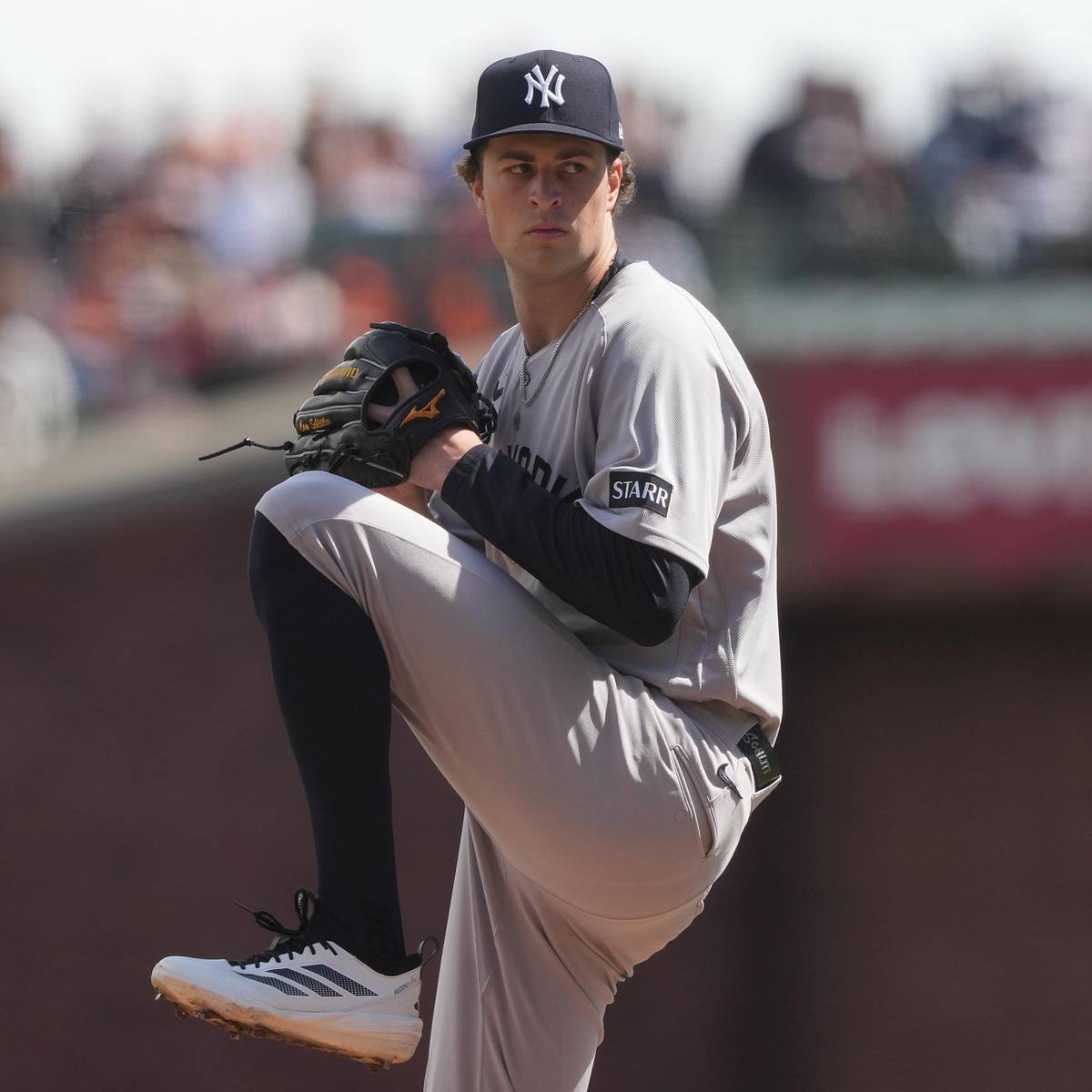
Schlittler finished 14-6 across 33 starts, worked 193⅔ innings and struck out 239 batters while issuing 49 walks. His 0.92 WHIP meant very few opposing hitters reached base, and his 2.56 fielding-independent pitching mark showed that the run prevention was accompanied by the strikeouts, walks and home-run suppression analysts use to examine a pitcher's underlying work. This was not a case of a glamorous win-loss record hiding erratic outings. He was exceptionally difficult to hit, and he kept giving the Yankees a chance to win.
The park-adjusted picture is even louder. Schlittler's 215 ERA+ led the league and established a Yankees franchise record, topping Ron Guidry's extraordinary 208 figure from 1978. Because ERA+ accounts for league and park context, it helps explain why an excellent-looking raw ERA can sometimes undersell a season. A figure of 100 is league average; 215 describes run prevention 115 percent better than that benchmark on this particular scale. Comparisons across eras still require caution, but it is a meaningful way to put a contemporary performance beside the club's most celebrated pitching seasons.
He also led American League pitchers in the version of wins above replacement cited in the Cy Young coverage, at 7.0, while his 31.4 percent strikeout rate was among the league's best. No one statistic settles an award by itself. Here, the familiar numbers and the more analytical ones pointed in the same direction: an ace who combined volume, missed bats and efficiency. Those 193⅔ innings matter because a starting pitcher has to repeat his strengths against the same opponents, in different parks, with his delivery and body under continuous strain.
GOATIFY
GOATIFY Baseball
Schlittler's fastball has given New York a fresh pitching star. Explore GOATIFY Baseball caps, tees and fan gear while following the season's greatest arms.

White Baseball GOAT Sticker
A white baseball GOAT decal for your bottle, laptop or game-day gear.
Shop Now ↗

Gold Baseball GOAT Dad Hat
A gold baseball GOAT design for ballpark days and everyday fan style.
Shop Now ↗
White Baseball GOAT Sweatshirt
Rep baseball’s greatest with a white GOAT graphic sweatshirt.
Shop Now ↗

The engine was a fastball that averaged around 98 mph, but describing Schlittler as simply a power pitcher misses what improved. The Yankees' right-hander leaned more on a sinker and cutter during 2026, creating different movements and locations around his high-velocity four-seamer. The straightest offering could challenge hitters at the top of the zone; the harder, differently shaped alternatives forced them to protect parts of the plate that were dangerous to ignore. That interaction makes a fastball play faster than the number on a radar gun.
It also gives him ways to survive when the four-seamer is not perfectly located. A starter who offers one dominant pitch can be vulnerable once hitters commit to timing it. A starter who changes movement while maintaining similar arm speed can make a correct guess less valuable. Schlittler's improved pitch mix did not eliminate the normal risks of pitching; it made the same velocity more versatile, and that versatility helped carry him deep enough into games for the Yankees to rely on him.
Consider the consistency underneath the peak. During September, he was already establishing club benchmarks for starts with no more than one earned run allowed. His season did not rest on a single headline strikeout night or an isolated hot month. The important development was that opponents repeatedly entered a game knowing what the strongest pitches were and still struggled to turn that knowledge into runs. That is the difference between a promising arm and someone who can credibly lead a playoff rotation.
Cease had a serious case. The ballot still had no argument for first
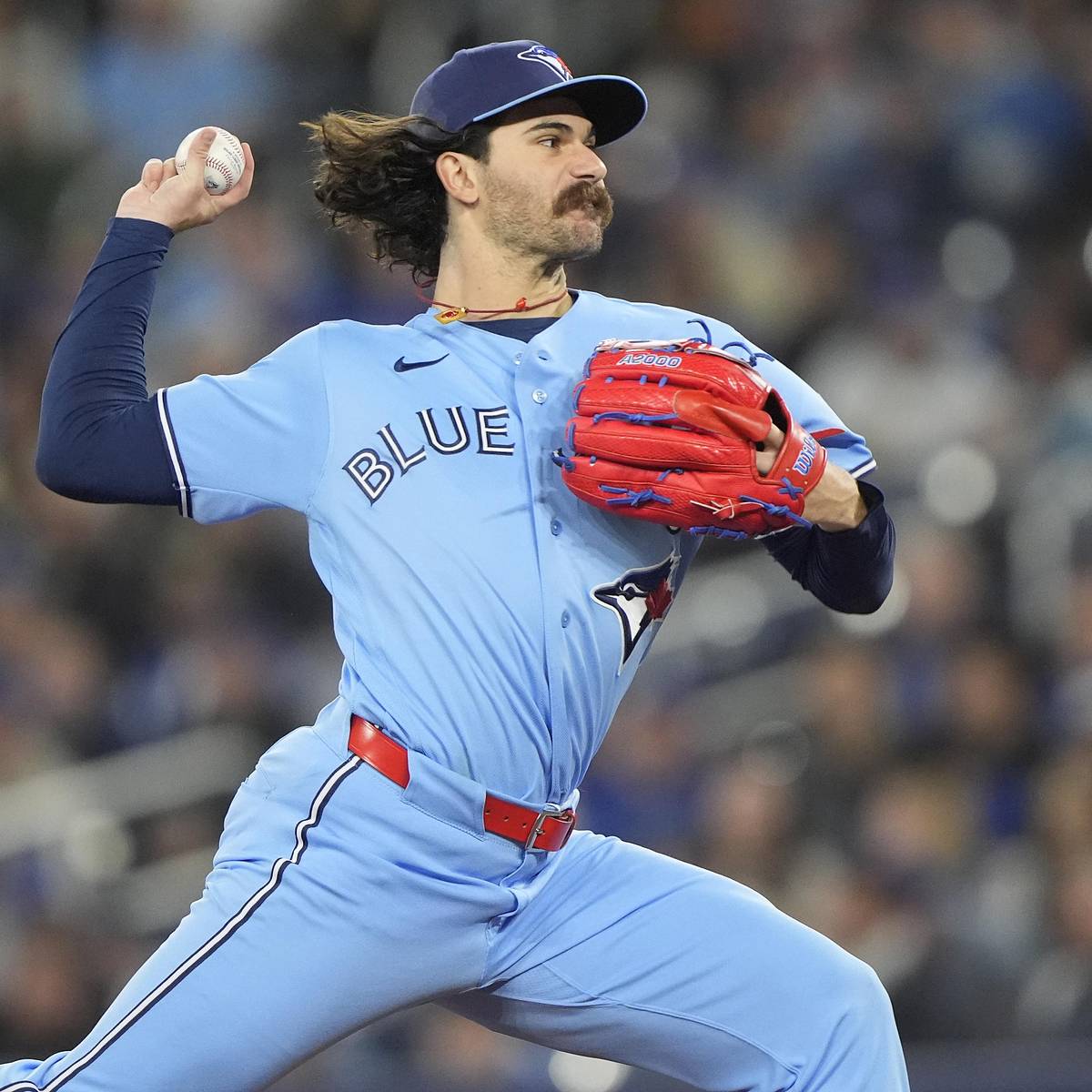
Unanimity in a Cy Young vote is a stronger claim than simply finishing first. Thirty voters could have emphasized different things: a starter's workload, strikeouts, prevention of runs, the value of individual starts or a more advanced model. Instead, every one of them gave Schlittler the top line. His 210 voting points more than doubled Cease's 110, with Messick third on 84. It is an unusually clear verdict for a category that often produces lively disagreements over which measure best captures a pitcher's value.
Cease was not an accidental runner-up. Toronto's right-hander had remained close enough in the conversation for much of 2026 to make it feel like a genuine race before the final results. He piled up strikeouts, posted a 2.40 ERA and, like Schlittler, had a strong fielding-independent case. He received 22 second-place votes. But the difference in the final picture was the combination of Schlittler's league-leading run prevention, excellent strikeout rate and heavy workload. When writers could weigh all three together, the Yankees starter offered very few obvious openings.
Messick's third-place finish made the ballot more interesting than a two-man showdown. The Cleveland left-hander earned seven second-place votes and was recognized for a season that pushed him into the company of more established starters. Drew Rasmussen of Tampa Bay came fourth and received the remaining second-place vote, while Boston's Sonny Gray rounded out the top five. That distribution shows there were multiple credible names underneath the winner, not a barren field of alternatives.
GOATIFY
GOATIFY Baseball
From Schlittler to Cease, the Cy Young race put baseball's elite pitchers center stage. Browse GOATIFY MLB designs for the next big ballgame.

White Baseball GOAT Dad Hat
A white baseball GOAT design for ballpark days and everyday fan style.
Shop Now ↗

Gold Baseball GOAT Sticker
A gold baseball GOAT decal for your bottle, laptop or game-day gear.
Shop Now ↗


There is a reason to distinguish the vote from a hindsight judgment about October. Regular-season awards are judged on regular-season performance. A great postseason start cannot retroactively repair a weaker April; an early playoff exit does not erase six months of ace-level work. On that basis, Schlittler had the broadest case when the ballots were cast. The trophy is recognition of the quality and value of those innings, not a claim that he single-handedly solved every issue New York faced.
The award also marked a change at the top of the American League. Tarik Skubal had captured the previous two Cy Youngs while pitching for Detroit. His run made him the natural reference point for any aspiring ace. Schlittler's win means the league's pitching conversation has a new name at the center, although one award cannot establish that a player will dominate an entire decade. Keeping that status demands adjustments after hitters have a full offseason to study what made the 2026 mix so difficult.
For Cease, the outcome is not proof that a brilliant season lacked value. For Messick, it is a sign that a rookie can force himself into an elite discussion faster than projected. For the Yankees, however, the story is starker: they did not merely develop a contender who could make a ballot. They developed a winner who persuaded everyone in the room, even with strong alternatives available. It is an immense individual achievement and a demanding standard to carry into 2027.
New York has a new ace. That changes the rotation calculation, not the goal
The Yankees rarely have the luxury of treating an individual prize as the finish line. New York won 93 games in 2026, posted the American League's best run differential and made it to the Division Series. That was accomplished despite Aaron Judge missing nearly 100 games. Schlittler's starts mattered enormously within that context: a club without its biggest offensive force for long stretches needed predictable pitching more than a club scoring freely every night. A legitimate ace can turn a modest scoring night into a winnable one.
It also changes how the front office can think about the next season. When a young starter proves he can lead a staff, a team gains flexibility in how it allocates money, prospects and innings around him. That does not make the rest of the rotation irrelevant. Injuries, changes in pitch quality and ordinary performance variation can arrive quickly, especially after a high-intensity season. But the Yankees now have something more tangible than a projection: a pitcher who has already carried a full regular-season workload and performed at the highest level.
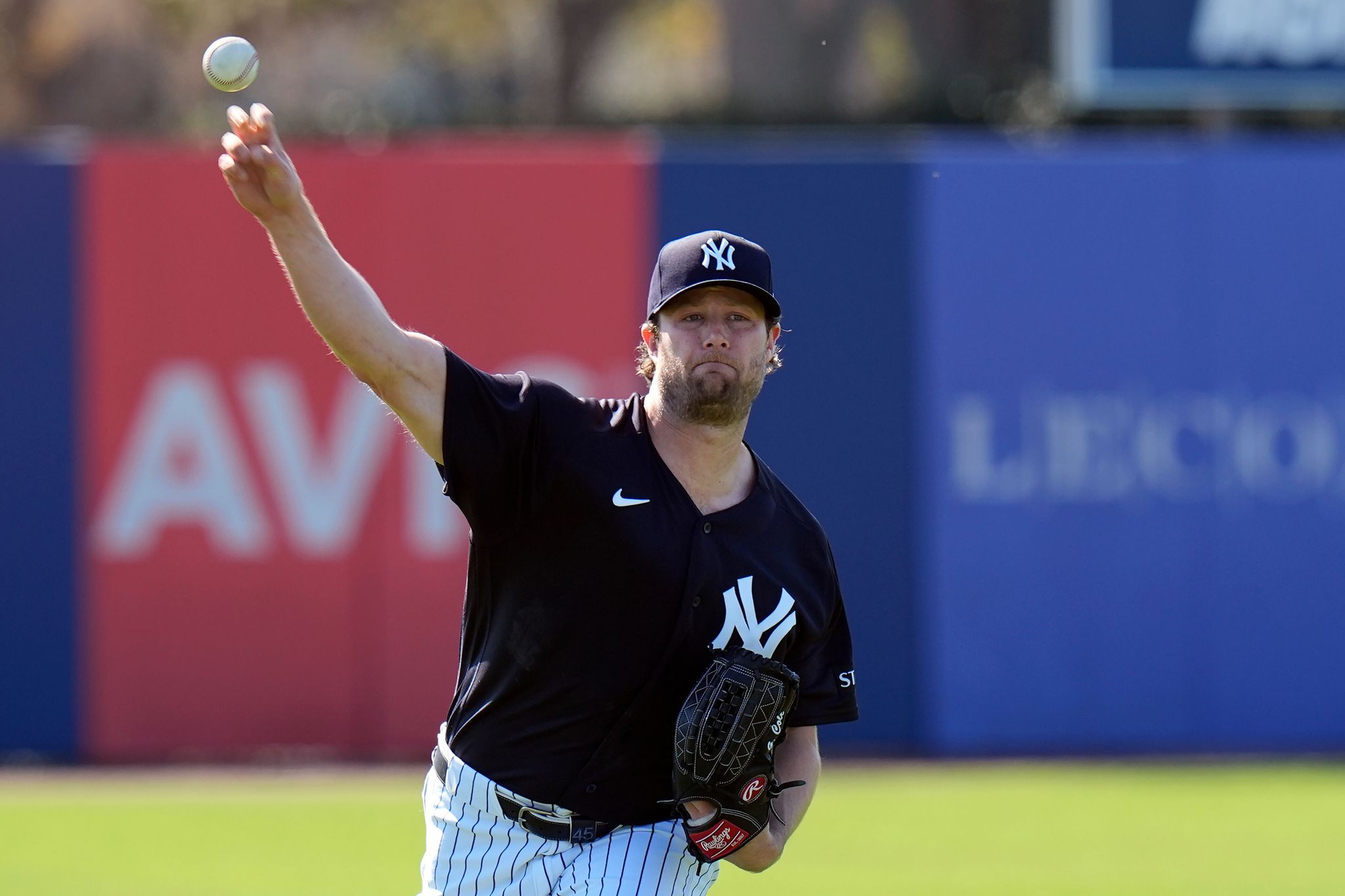
The historical company is small and appropriately intimidating. Schlittler becomes the seventh Yankees Cy Young winner, joining Bob Turley, Whitey Ford, Sparky Lyle, Ron Guidry, Roger Clemens and Gerrit Cole. He is only the third Yankee to sweep the first-place votes, following Guidry in 1978 and Cole in 2023. The comparison is not an invitation to declare three very different pitchers identical. It illustrates the narrow band of New York seasons that have been convincing enough to win that level of acclaim.
GOATIFY
GOATIFY Baseball
The Yankees' next chapter starts with a new ace. Find baseball-inspired hoodies, tees and stickers in the GOATIFY Baseball collection.


White Baseball GOAT Sticker
A white baseball GOAT decal for your bottle, laptop or game-day gear.
Shop Now ↗White Baseball GOAT Sweatshirt
Rep baseball’s greatest with a white GOAT graphic sweatshirt.
Shop Now ↗Guidry is particularly relevant because his 1978 season remains one of the club's most famous pitching campaigns. A 1.74 ERA and 208 ERA+ from another era still carry weight; Schlittler's 215 ERA+ sets a different Yankees mark. The records coexist without requiring an argument that one pitcher should displace the other in an all-time ranking. The clearest conclusion is that a 25-year-old just put his name inside a conversation that usually takes decades of hindsight to settle.
Cole's presence adds a more immediate dimension. He was New York's previous award winner in 2023 and represents both the upside of elite starting pitching and the difficulty of sustaining it through changing health and workloads. A team that can pair proven leadership with a rising Cy Young winner may have the ingredients of a formidable staff, but the actual 2027 configuration will depend on availability, performance and offseason decisions. It would be premature to pencil in a particular October ending months before the season begins.
For Schlittler, the next challenge is not simply repeating 1.95. Exceptional ERAs are difficult to reproduce because sequencing, defense, opponent adjustments and small stretches of bad luck move the number even when a pitcher's core skills remain strong. A more sensible 2027 test is whether his fastball shapes remain effective, his strikeout-to-walk balance stays elite and his body can handle another long run of starts. If those foundations persist, the Yankees can live with some movement in the headline statistics.
The most important distinction may be psychological rather than statistical. A young pitcher fighting to establish himself can enjoy being underestimated. A unanimous Cy Young winner will enter every series as a named target. Clubs will spend the winter designing plans for the cutter, sinker and four-seamer that defeated them in 2026. Maintaining an edge against those adjustments is what separates a great campaign from a great career. New York has found the former; the next several seasons will determine the latter.
One season ago, Schlittler was still closer to a rising rotation option than a universally recognized ace. He now owns an award earned with every first-place vote, a franchise-record adjusted ERA and a full season of work that helped carry the Yankees through the absence of their biggest star. That is a transformation New York can build around, provided it recognizes that development must continue even after the trophy arrives.
Cease and Messick produced worthy campaigns; their place on the ballot underlines how high Schlittler's standard became. What comes next will be measured less by another award ceremony than by whether the same fastball command, expanding arsenal and durability can survive another year of scrutiny. The Cy Young result is settled. The most important Yankees question has only begun.
GOATIFY
GOATIFY Baseball
Shop GOATIFY baseball shirts, hoodies and stickers.


Gold Baseball GOAT Sweatshirt
Rep baseball’s greatest with a gold GOAT graphic sweatshirt.
Shop Now ↗White Baseball GOAT Dad Hat
A white baseball GOAT design for ballpark days and everyday fan style.
Shop Now ↗


















