

Swiatek Refused to Retire — Chwalinska's Wuhan Win Changed the Finals Race
GOATIFYIga Swiatek was close to taking control of an all-Polish Wuhan semifinal. Instead, Saturday ended with the six-time Grand Slam champion struggling physically and losing 7-5, 6-1 to childhood friend Maja Chwalinska. The result was not merely another upset in a tournament full of them. It transformed the championship match, handed Chwalinska her first WTA 1000 final and sharpened the questions surrounding Swiatek's late-season fitness and qualification for the WTA Finals.
Chwalinska deserves more than a footnote to the medical drama. She saved two set points, absorbed a demanding first set and was composed enough to close it even after an interruption. She now meets another unexpected finalist, Sonay Kartal, with both women seeking the biggest title of their careers. Here is how the match shifted, what the winner did right and why the consequences extend beyond Wuhan.
Swiatek led 5-3 before the match changed
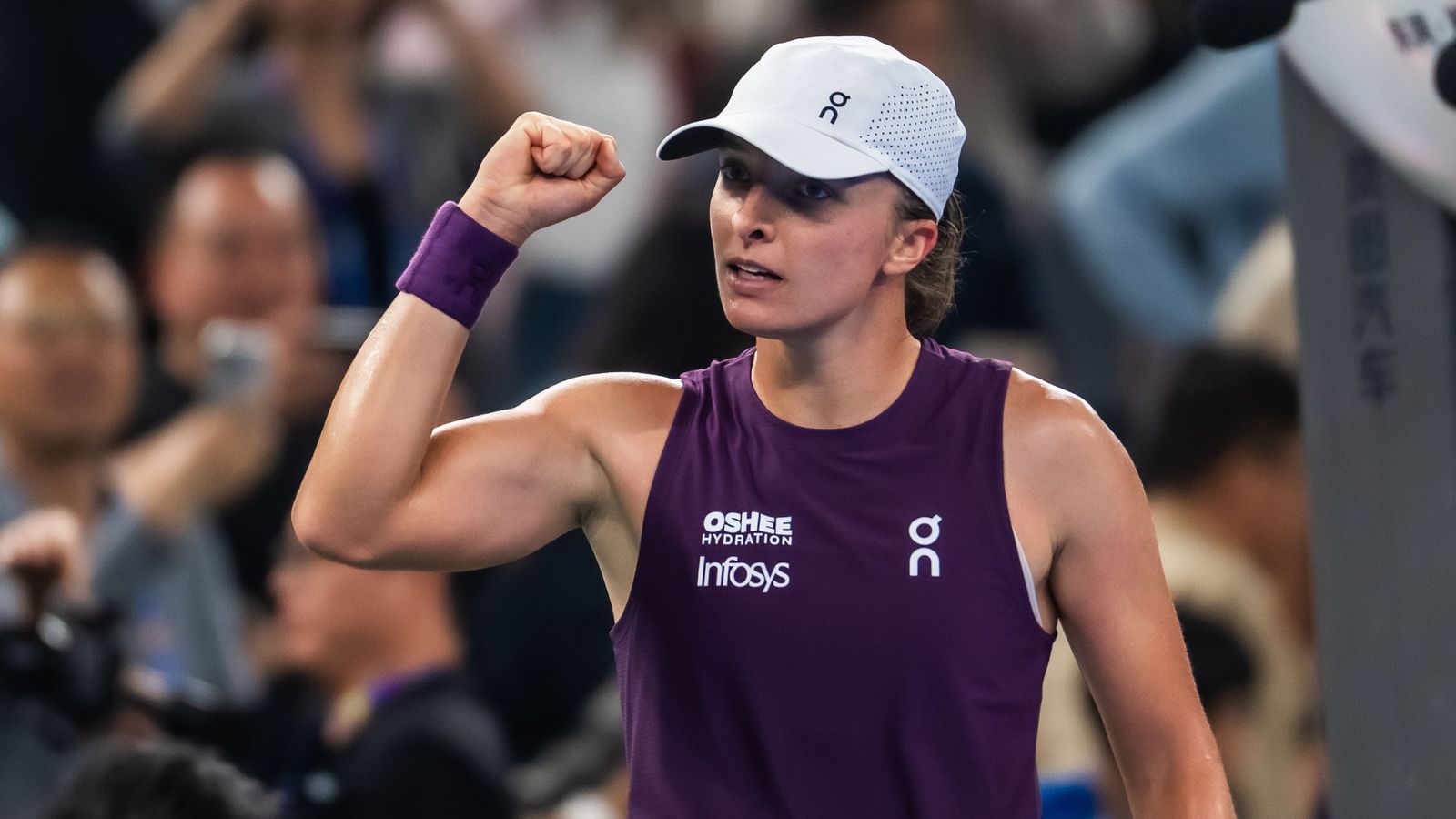
Swiatek led 5-3 and held two set points in the opening set. Chwalinska saved both and fought back to take a 6-5 lead. Swiatek then requested a timeout, returned to court and continued the match. Chwalinska took the set 7-5 before winning the second 6-1. The result was a major upset in an all-Polish semifinal.
Chwalinska deserves credit for the comeback before the interruption. She defended patiently, extended rallies and took advantage of the points that mattered most. Her composure in the final games helped her reach her first WTA 1000 final. This was no simple case of a favorite failing to finish a set. The underdog had to resist two chances to lose it, reset her position in the rallies and earn a fresh opportunity.
The opening set lasted more than eighty minutes. That duration helps explain the tactical demands: neither player could simply rely on a short burst of clean hitting. Chwalinska made Swiatek play another shot and another game, and her willingness to defend created opportunities to change direction. When Swiatek struggled to sustain her earlier pace, the scoreboard turned sharply. Chwalinska won ten of the last eleven games.
For an athlete facing a decorated champion and a familiar friend, the situation required concentration. It would have been easy to become distracted by the unusual circumstances or tentative when the finish line approached. Instead, Chwalinska stayed disciplined and closed the match. The final score is emphatic, but the turning point was much tighter than the 6-1 second set suggests.
Chwalinska's breakthrough was built on more than Swiatek's injury
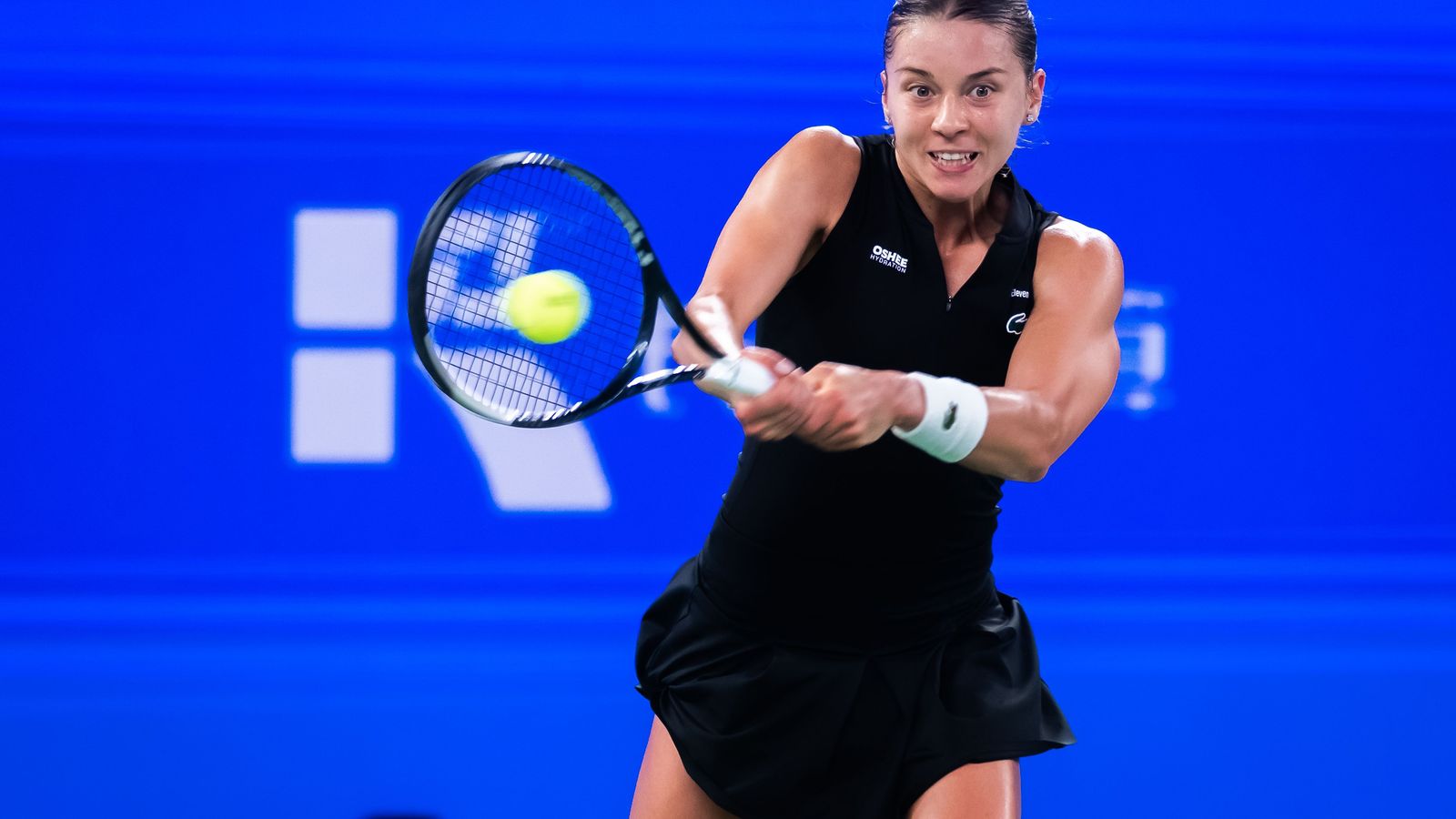
For Chwalinska, the victory is the largest of her career by opponent ranking and her first against a top-ten player. She arrived at Wuhan with a breakthrough season already underway: a surprise run to the French Open final had proved she could withstand the demands of a major tournament. Reaching another significant final on outdoor hard courts offers different evidence. It suggests that her success is not confined to a single surface or a brief burst of form.
Her tennis has a recognizable identity. Instead of trying to overpower elite opponents on every exchange, the left-hander changes pace, varies height and placement, and makes the other player solve an extra ball. That can be particularly effective against opponents accustomed to setting the rhythm with aggressive baseline strokes. It also asks a lot of Chwalinska: she must retrieve, redirect and maintain concentration when points run long.
That is why saving the two set points at 5-3 deserves attention. Those points prevented Swiatek from taking a set that could have changed the psychology of the contest. Chwalinska's composure did not disappear after the interruption. She continued to make Swiatek work for space, and once the second set began she took control without leaving room for a late comeback.
The 25-year-old and Swiatek had played each other professionally only once before, at an ITF event in 2016, when both were teenagers. They also partnered in junior doubles. Their reunion on a major stage offered an unusual combination of familiarity and enormous competitive stakes. Chwalinska spoke warmly of her compatriot afterward while recognizing how extraordinary the result felt.
Before 2026, Chwalinska had recorded only four tour-level match victories; she now has seventeen this season, including eleven on hard courts. Those numbers make the Wuhan run especially striking. A French Open final might be dismissed as a once-in-a-career Cinderella story. A Wuhan final months later is harder to explain away. Regardless of Sunday's result, she has established herself as a genuine threat in big draws.

Kartal makes the final a contest between two fearless outsiders
The other side of the draw has produced a story just as unexpected. Britain's Sonay Kartal came into Wuhan ranked No. 170 after spending six months away from competition. She has reached the championship match by beating a sequence of established opponents, including Belinda Bencic, Jasmine Paolini, Elina Svitolina and Jelena Ostapenko. Her place in the final is not a product of a single favorable draw or one upset.
Kartal's semifinal was a test of nerves against an opponent capable of striking winners from almost anywhere. Ostapenko led 4-1 in both sets, but Kartal stayed disciplined, survived two tight tiebreaks and won 7-6(9), 7-6(5). Ostapenko's 41 unforced errors tell part of the story. The other part is Kartal's willingness to keep the ball in play, reset after dangerous stretches and make a more volatile opponent hit one more shot.
Sunday's match will be the first tour-level meeting between Kartal and Chwalinska. Neither has previously played a WTA 1000 final. Both can move well, vary their patterns and frustrate an opponent who expects to finish rallies quickly. The tactical question is which player can create enough offense without abandoning the patient tennis that brought her this far.
There are contrasting pressures. Chwalinska enters after beating a six-time major champion and already has the experience of a Grand Slam final. Kartal arrives with the confidence of a remarkable comeback and the knowledge that she has repeatedly beaten higher-ranked players this week. The Briton has won a tour-level title before; the Pole is chasing her first. Neither will have the comfort of being a clear favorite.
The rankings underline the scale of the surprise. For the first time since Wuhan joined the calendar in 2014, both singles finalists are ranked outside the top twenty. Kartal's ranking before the event was so low that her run is among the most unusual at this tournament level. Whoever lifts the trophy will be a new WTA 1000 champion, and the victory will stand as a defining moment in her career.

Swiatek's fitness and the last WTA Finals berth are now linked
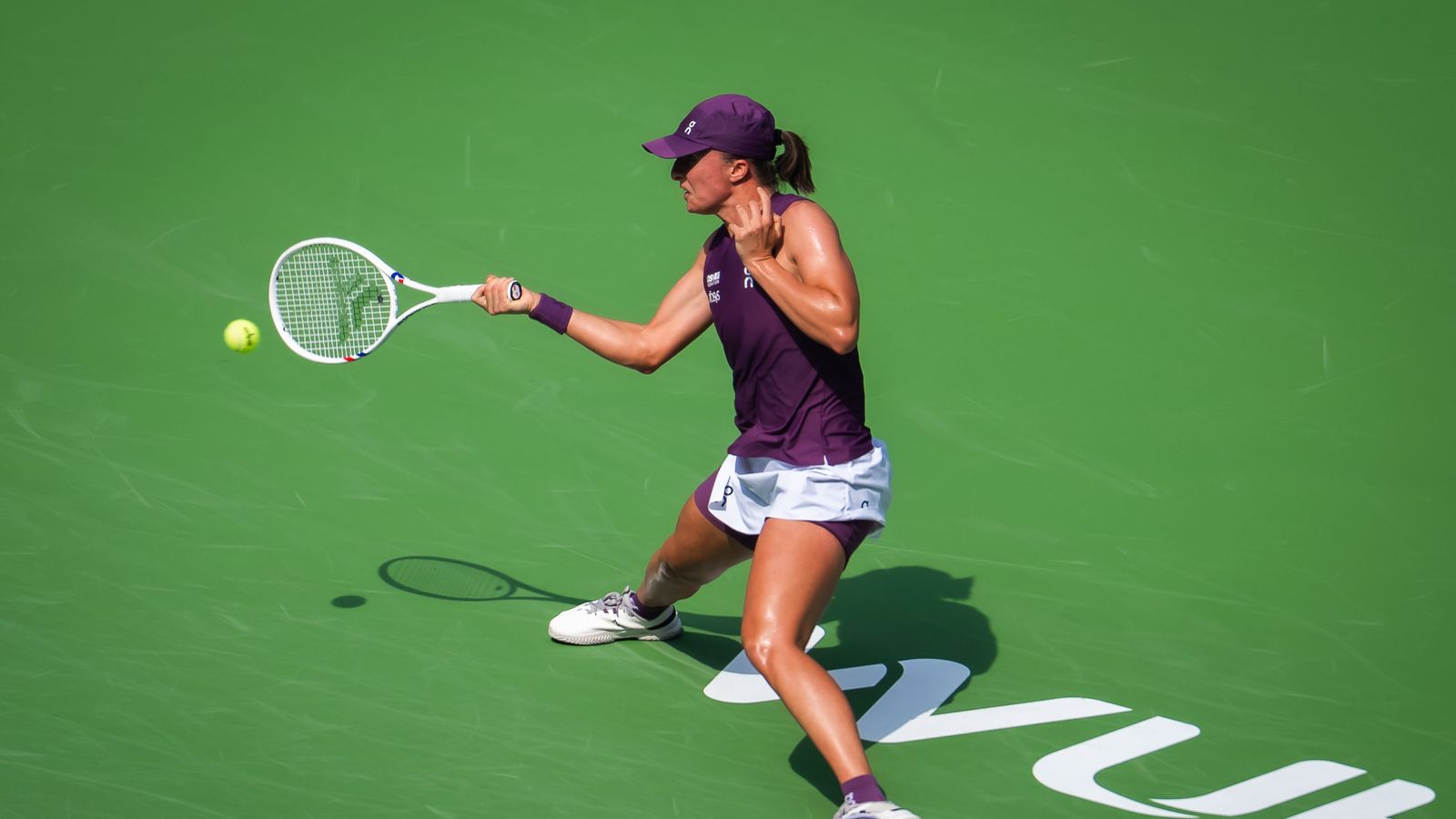
For Swiatek, Wuhan was about more than a title. Her season has been unusually demanding by her standards, and she entered the Asian swing still trying to secure a place in the year-end WTA Finals. Her run to the semifinals brought useful ranking points and demonstrated that her game could still produce strong results against elite fields. The latest setback creates a more complicated calculation about the closing weeks of her schedule.
The confirmed picture changed on Saturday. Elina Svitolina secured the seventh singles berth at the WTA Finals in Indian Wells, leaving one position available. Svitolina's qualification is a significant comeback story: she will return to the event for the first time since 2019, having previously won it in 2018. The final available place is therefore a narrow target, not a comfortable cushion for anyone still chasing it.
Swiatek had planned to continue competing in the closing weeks of the season, including events in Ningbo and Tokyo. Whether those plans remain viable is uncertain. No definitive return date was confirmed immediately after the semifinal, so it would be premature to assume either a quick return or an extended absence. The distinction is between her competitive ambition, which is clear, and her immediate schedule, which remains open.
Even in a difficult 2026, Swiatek has maintained remarkable standards. Her early Wuhan win over Magdalena Frech was her fortieth victory of the year, and her quarterfinal win over Ann Li completed a career set of semifinal appearances at all ten current WTA 1000 events. Those achievements are not erased by one defeat. But if she cannot compete freely, the final qualifying place could slip beyond her reach.
Wuhan will crown an unexpected champion on Sunday, and that is a triumph for the depth of women's tennis. Chwalinska earned her place by surviving a tough first set, staying composed through an emotional interruption and taking her chance. Kartal reached the same stage by dismantling expectations after months away from competition. For Swiatek, the defeat is more complicated: a missed final, a painful finish and a late-season fitness question with real ranking consequences. The next update on her condition may matter as much as the final score, but it should not take the spotlight away from the two players who earned Sunday's opportunity.
Shop GOATIFY tennis products from the Tennis-filtered collection scope.
















