

Cowboys Linked to $76M Josh Sweat — But Dallas May Be Done Buying
GOATIFYDallas has two apparently competing messages as the November 10 NFL trade deadline approaches. A league executive sees Arizona Cardinals edge rusher Josh Sweat as a logical fit for the Cowboys, but fresh reporting says a defensive acquisition is not currently a front-burner priority. Neither account establishes that the teams are negotiating. Both reveal the same dilemma: Dallas needs more pressure on opposing quarterbacks, yet its depleted draft capital makes another expensive rescue attempt hard to justify.
The Cowboys are 2-4 after a 23-13 loss to Green Bay. Their defense has surrendered the third-most points and seventh-most yards in the league through six games, according to the latest league-wide assessment. Owner Jerry Jones has publicly left room for both buying and selling. With the NFC East unusually open, that flexibility sounds sensible. With only three games remaining before the deadline, it also sounds like a team waiting for the standings to tell it what to do.
Sweat is an intriguing name rather than an agreed target. The former Eagles champion recorded 12 sacks for Arizona in 2025 and is playing on a four-year contract worth roughly $76 million. Bringing him to Dallas could address an obvious need, but the cost would extend well beyond the headline salary. The bigger question is whether one more veteran is enough to change the Cowboys' season.
Josh Sweat fits the pass-rush problem — but a fit is not a deal
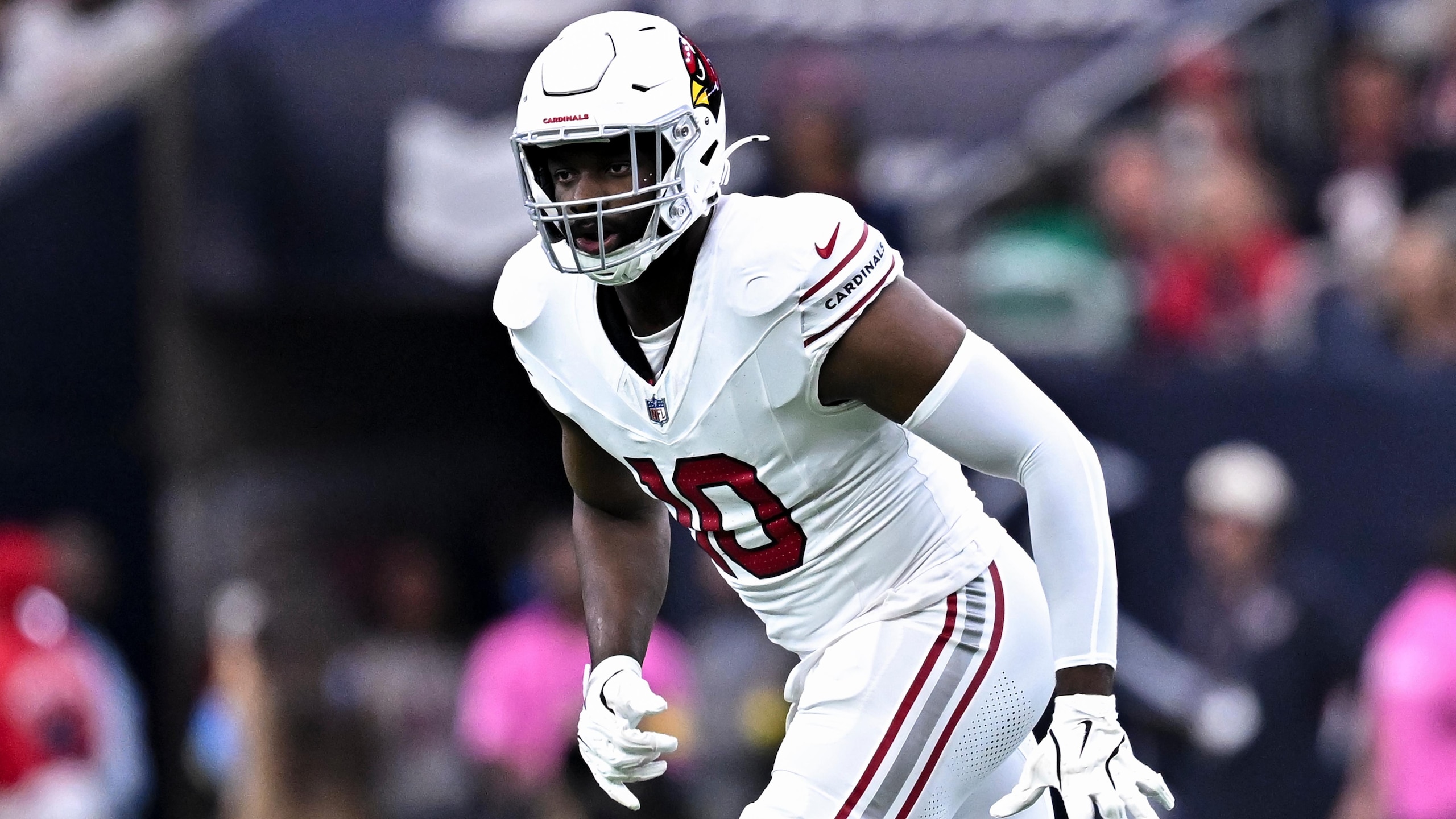
The case for Sweat begins with the mismatch between Dallas' ambition and its pass rush. The Cowboys have repeatedly tried to replace the disruption lost when Micah Parsons departed. They added established talent on the interior and acquired edge help, yet opposing offenses have still found time and space to operate. One October analysis counted only eight Dallas sacks through six games, with a small fraction coming from the edge group. That is not the production expected from a roster built to chase a division title.
Sweat would offer a different kind of threat. At 6-foot-5, he has the length to challenge offensive tackles and the experience to rush with a plan rather than relying solely on speed. His 2025 season in Arizona produced a career-best 12 sacks. Earlier, he helped Philadelphia win a Super Bowl and developed a reputation for affecting big games. Those credentials matter when the Cowboys are considering whether a proven defender can lift a young, inconsistent unit quickly.
His 2026 numbers require context, however. Through six games he has two sacks, three tackles for loss and seven quarterback pressures in one published accounting. That is useful production, not a guarantee of an instant turnaround. A trade buyer would be paying for the possibility that Sweat's broader track record translates into more frequent disruption with a different supporting cast. Dallas would also need to decide how to use him alongside its current edge rotation without simply moving existing players into smaller roles.
Arizona's motivation is no less complicated. The Cardinals have also started 2-4, but they just upset the Rams 18-16. Their front office has already shown a willingness to reshape the roster, including moving a prominent young receiver. A veteran pass rusher with a sizable contract could attract calls from contenders. Yet the Cardinals do not have to accept a modest offer merely because outsiders consider them a seller. Keeping a productive defender through the season has value for their own young roster.
One national trade-candidate ranking estimated that a conditional 2027 fourth-round pick could be a plausible starting point for Sweat's value. That is an analyst's projection, not an asking price from Arizona or an offer from Dallas. Another report highlighted the four-year contract and the Cowboys' dwindling supply of future picks. Both points matter: the acquiring team would need to evaluate remaining salary obligations, the timing of guarantees and the possibility of other teams bidding.
That is where the rumor meets the cold reality of roster building. A pass rusher can improve third-down defense, create hurried throws and make life easier for cornerbacks. He cannot fix every coverage breakdown or restore an offense that has become inconsistent. Dallas already acquired Joey Porter Jr. from Pittsburgh, spending future draft assets on a secondary upgrade. Another trade would need to deliver a clear improvement without leaving the team unable to replenish other positions next spring.
The most important distinction is between a sensible football fit and a likely transaction. Sweat fits a need, and a league executive reportedly recognized that. Separate reporting, though, says defensive help is not a priority item at the moment. There is no confirmed agreement, no public Arizona asking price and no reason to treat a speculative destination as an imminent move. Dallas can admire Sweat's résumé and still decide the responsible play is to wait.

The next three games could turn Dallas from buyer to seller
Waiting is not the same as surrendering. The NFC East has been so uneven that Dallas and Philadelphia both sit at 2-4 while the Giants lead at 3-2-1. Washington is 1-4-1. A team two games under .500 would ordinarily have little reason to mortgage future drafts, but this division has not produced a convincing favorite. That gives Jones a legitimate argument for keeping options open, even as the Cowboys' own performance raises doubts.
The schedule is unusually helpful for a deadline decision. Dallas visits Philadelphia on Monday, October 26, then faces Arizona and Indianapolis before the November 10 cutoff. Those three opponents entered this stretch with the same 2-4 record. If the Cowboys win all three, they would move to 5-4 and could plausibly be fighting for first place. A veteran acquisition would then support a real competitive opportunity rather than merely creating a burst of optimism.
If the opposite happens, the conversation changes completely. A 2-7 Dallas team would be struggling to justify paying a premium for a short-term improvement. Its future picks would become more valuable than the immediate benefit of another defensive starter. The club could even consider listening to offers for veterans instead of making them. That is why the coming games should be treated as a decision window, not just three routine fixtures on the calendar.
George Pickens illustrates the other side of the ledger. The receiver is playing under a one-year franchise tag after long-term negotiations failed to produce an extension. He gives Dak Prescott another dangerous target alongside CeeDee Lamb, but his contract creates a difficult decision if Dallas falls out of contention. A trade would remove offensive firepower and could be unpopular, yet it might also recover picks and prevent the team from reaching the offseason with too many expensive commitments and too little flexibility.
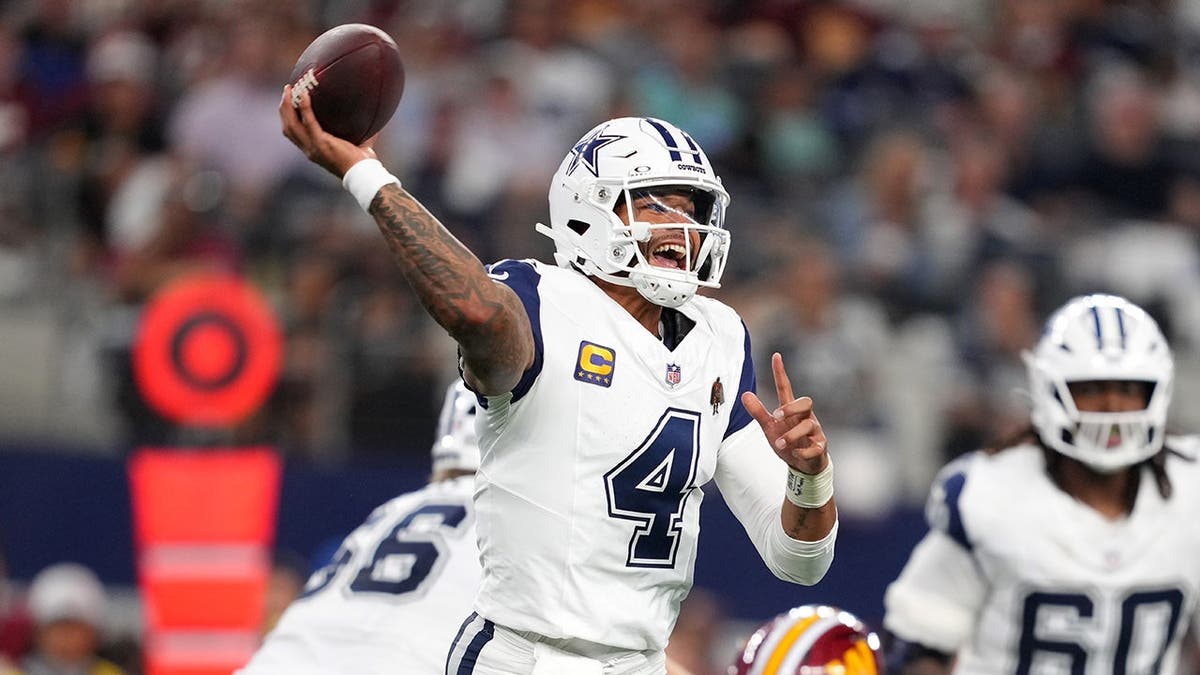
The offense has to earn the right for the front office to buy. Prescott threw two interceptions in the defeat at Lambeau Field, and Dallas managed only 48 rushing yards. The Cowboys were blanked in the first half and finished with 13 points. Even if Sweat arrived tomorrow, he would not solve missed blocking assignments, stalled drives or a rushing attack that struggles to protect leads. More pressure on opposing passers helps most when the offense can force those passers to chase the game.
Defensively, the Packers loss offered a more nuanced picture than the final score alone. Dallas gave up long first-half possessions and had trouble escaping third down, but its defense tightened after halftime. That matters because the team might be able to improve with better execution and healthier personnel rather than another major investment. The front office must determine whether the late-game adjustments are a foundation or simply a small positive inside a losing performance.
Jones has indicated he would consider an opportunity to strengthen this year's team, while also acknowledging that a sale is possible at the right price. Those are not mutually exclusive positions. General managers are supposed to examine both sides of the market. The mistake would be treating the Cowboys' recognizable brand, or the fact that the division is weak, as proof that every trade is worth making. Each additional draft pick spent narrows the room to repair the roster in 2027 and beyond.
For fans, the clearest markers are straightforward. Watch whether Dallas can protect Prescott, convert promising possessions into points and generate pressure without relying on heavy blitzing. Watch the results against Philadelphia, Arizona and Indianapolis. And watch whether credible reports shift from hypothetical fits toward actual discussions between clubs. Until then, Sweat-to-Dallas belongs in the category of an interesting possibility, not a developing deal that should be treated as settled.
That distinction also protects the Cardinals' side of the story. Arizona is under no obligation to become Dallas' solution. If the team believes Sweat can anchor its defense beyond this season, it may keep him. If it decides to prioritize younger talent and cap flexibility, it can solicit offers from several contenders. The Cowboys would have to compete on both compensation and financial terms, and a rival with more draft ammunition could make a better offer.

Dallas does not lack possible trade targets. It lacks certainty about whether this is a roster worth buying for. Josh Sweat is a credible football fit, but the latest reporting stops well short of showing that a move is underway. The Cowboys' next three games will reveal more about their deadline strategy than another week of hypothetical proposals.
If Dallas starts winning, the argument for a pass-rush upgrade becomes stronger. If the losses continue, protecting draft capital — or recouping some — may be the more valuable play. For now, the responsible headline is not that Sweat is coming to Texas. It is that the Cowboys have a decision to make, and the clock is getting louder.
Shop GOATIFY NFL and American football shirts, hoodies and stickers.

















