

Haas Dumps Ocon Mid-Weekend — Hirakawa Gets Shock F1 Debut at 32
GOATIFYEsteban Ocon arrived at the 2026 Mexico City Grand Prix expecting to drive for Haas through Sunday. By Saturday morning, he was out of the car. Haas unexpectedly handed the remainder of the weekend to reserve driver Ryō Hirakawa, who will make his first Formula 1 race start at 32, and declined to explain the change. It is one of the most startling driver decisions of the season, especially because Ocon had already completed Friday's second practice session.
The timing is combustible. Ocon is leaving Haas at the end of 2026, his replacement Rafael Câmara has already been chosen, and a tense exchange over tyre plans was broadcast during Friday practice. But the radio argument and the surprise removal are two established events, not proof of a confirmed cause-and-effect relationship. Haas has explicitly ruled out illness while withholding its explanation. That distinction matters as the team prepares Hirakawa for qualifying and a 71-lap race with very little warning.
Haas changed drivers overnight after Ocon completed Friday practice
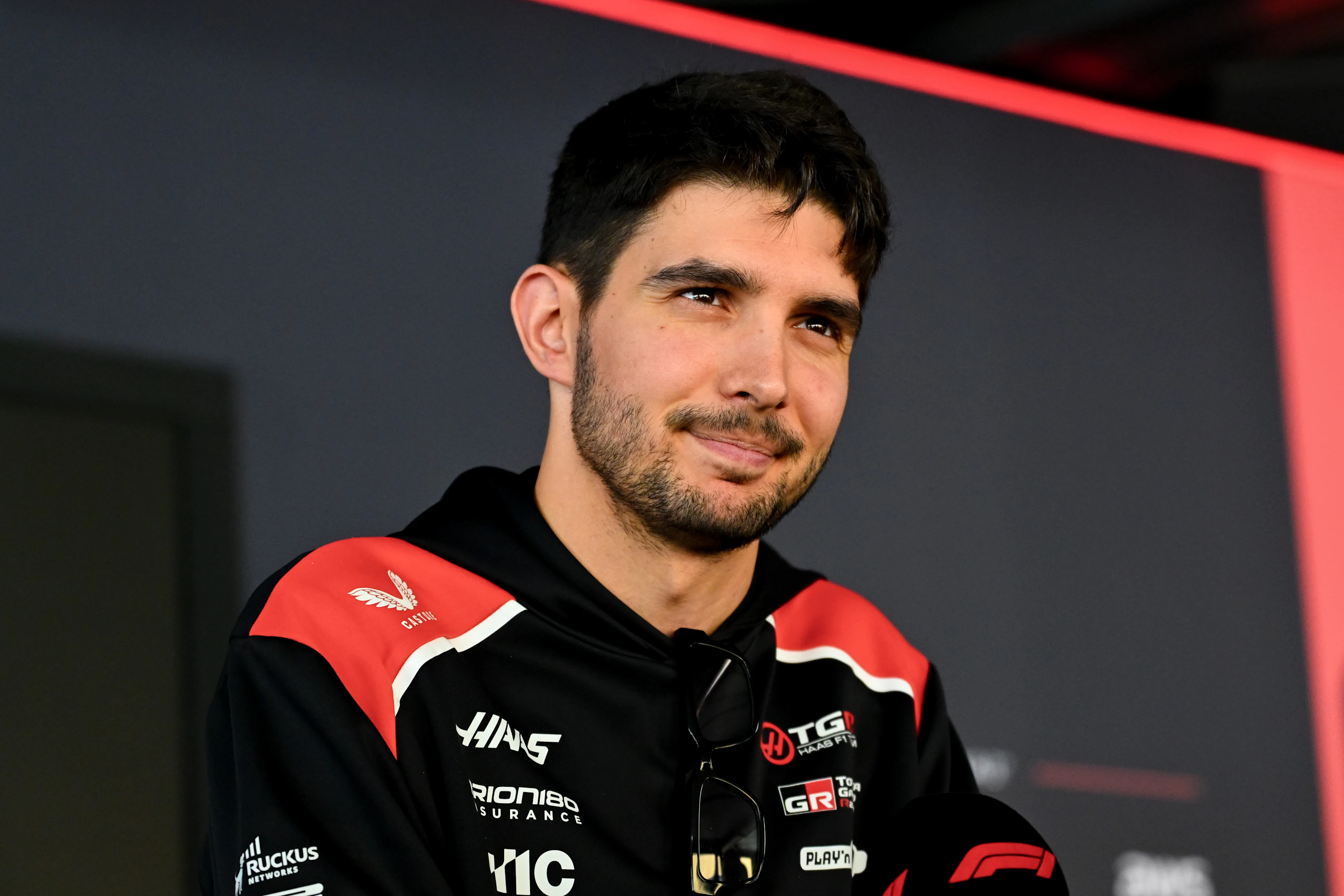
Friday's running made the Saturday announcement feel particularly abrupt. Hirakawa had been scheduled to take Ocon's Haas VF-26 for the first practice hour, one of the team's planned reserve-driver appearances. He completed 30 laps and finished 15th. Ocon then returned for FP2, set the 13th-fastest time and continued his preparations for qualifying. Nothing about that sequence indicated the race seat was about to change hands.
Yet Haas announced the following morning that Hirakawa would drive in final practice, qualifying and Sunday's Grand Prix alongside Ollie Bearman. The team said it would make no further statement. It did not cite injury, a regulatory problem, a suspension or a performance-based explanation. Team principal Ayao Komatsu subsequently said Ocon was not ill, narrowing one possibility but leaving the actual reason unanswered.
The FIA approved the replacement specifically for the Mexican event. Its authorisation permits Hirakawa to take over car number 31's entry using racing number 50, with the engine and tyres already allocated to Ocon. That is an administrative permission for a mid-weekend driver substitution, not a penalty against either driver. It also does not establish whether Ocon will return at the following race in São Paulo. Any suggestion that his Haas career has already ended permanently goes further than the confirmed decision.
The compressed preparation is important. Hirakawa was able to sample the car on Friday, but he did not spend the whole weekend building a race setup with the same continuous programme as a regular driver. Friday's first hour involved different track conditions, a rookie-focused plan and a field in which several leading drivers were absent. Saturday's final practice was his last opportunity to understand qualifying behaviour before being asked to compete with the full grid.
Mexico City makes that task harder than a conventional circuit. The high altitude changes cooling demands and aerodynamic performance, while the long run into Turn 1 creates substantial opening-lap risk. A replacement driver must manage tyre preparation, traffic, braking confidence and the car's energy deployment while simultaneously learning the team's communication rhythm under competitive pressure. Haas has therefore traded continuity for a driver who knows the organisation but has never started a Formula 1 Grand Prix.
Ocon's tyre-radio confrontation fuels questions, but does not prove the cause
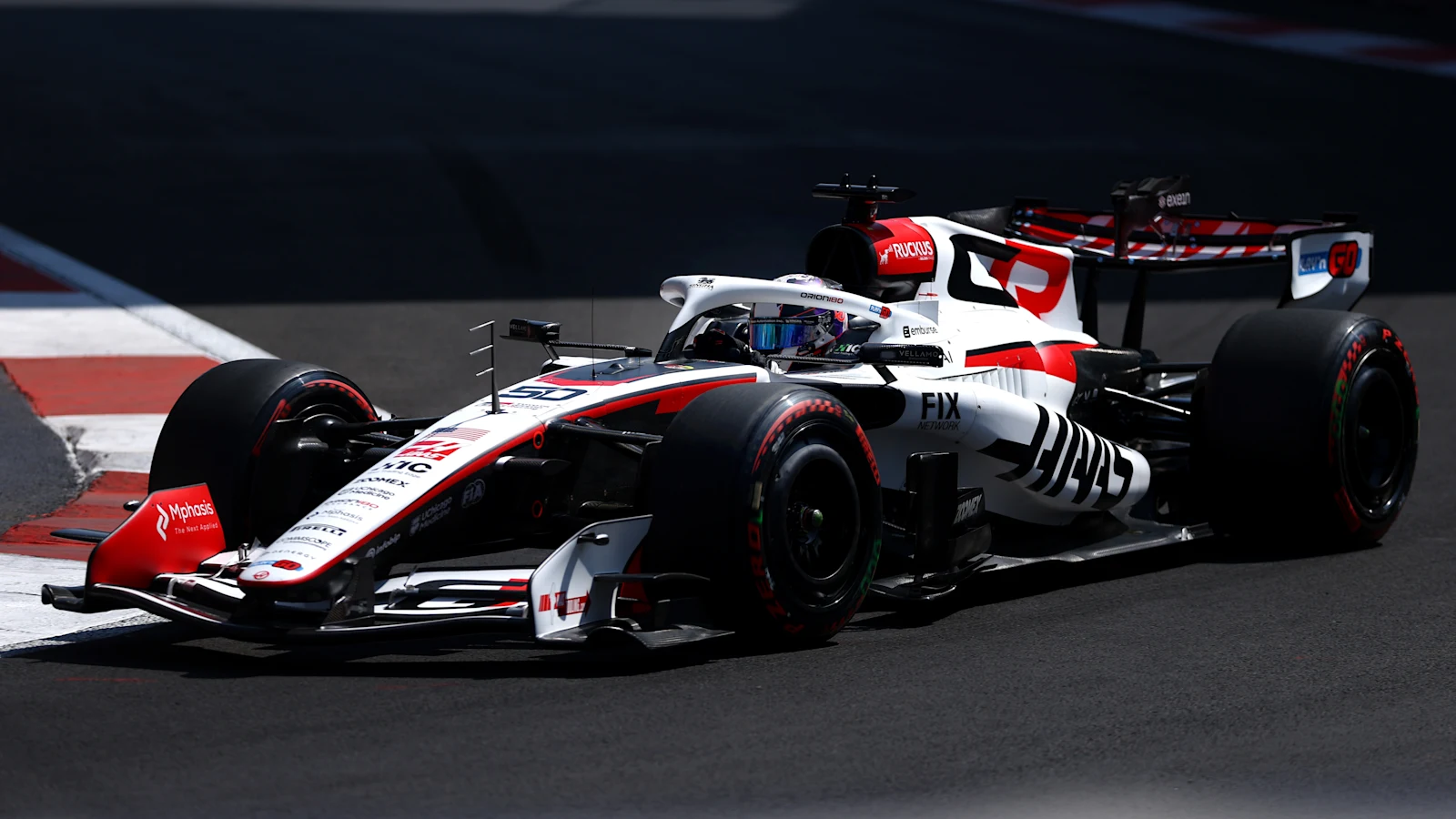
There is a reason the paddock immediately connected Friday's radio traffic with Saturday's surprise. During second practice, Ocon challenged a change to his race-simulation plan. He wanted to run on the soft tyre, while race engineer Laura Müller instructed him to use the medium. The exchange was audible, and Ocon's frustration was unmistakable. The team had a practical explanation for its revised programme: Bearman had flat-spotted a set of soft tyres, changing the comparative data Haas wanted to collect.
A disagreement about a run plan is not inherently extraordinary. Teams often adjust tyre choices when a compound is damaged, track conditions change or one car's data becomes less useful. Drivers can be particularly sensitive to such changes when a weekend is their opportunity to prove competitiveness. In Ocon's case, the stakes were already unusually personal because he had been told he would not be retained for 2027. Every session represented a chance to demonstrate his pace to prospective employers.
That context helps explain why the radio conversation attracted attention, but it does not establish that Haas removed him as punishment. No official explanation has connected the tyre argument to the substitution. Komatsu's public comments focused on preparing Hirakawa, and the team's formal announcement deliberately avoided any reasoning. Even accounts describing a strained relationship between Ocon and Haas cannot substitute for confirmation of what actually prompted Saturday's decision.
The distinction is more than legalistic caution. A driver can argue with an engineer without being suspended; a team can change its lineup for reasons unrelated to a broadcast exchange. Equally, the unusual timing and the refusal to elaborate invite legitimate questions about management, communication and trust. Those questions deserve to be asked, but the answers remain unavailable until someone with direct knowledge supplies them.
There is also a sporting consequence for the engineers left to manage the car. Data gathered with Ocon on Friday has to be interpreted for Hirakawa's driving style, which may differ in braking points, steering inputs and tyre warm-up. The pit wall must decide how aggressively to pursue a qualifying setup while keeping enough confidence in long-run balance for Sunday. What began as a dispute about which compound to use has become a weekend in which Haas must extract the most from an unfamiliar driver without losing sight of the constructors' standings.

At 32, Hirakawa gets the F1 race debut his endurance résumé has earned
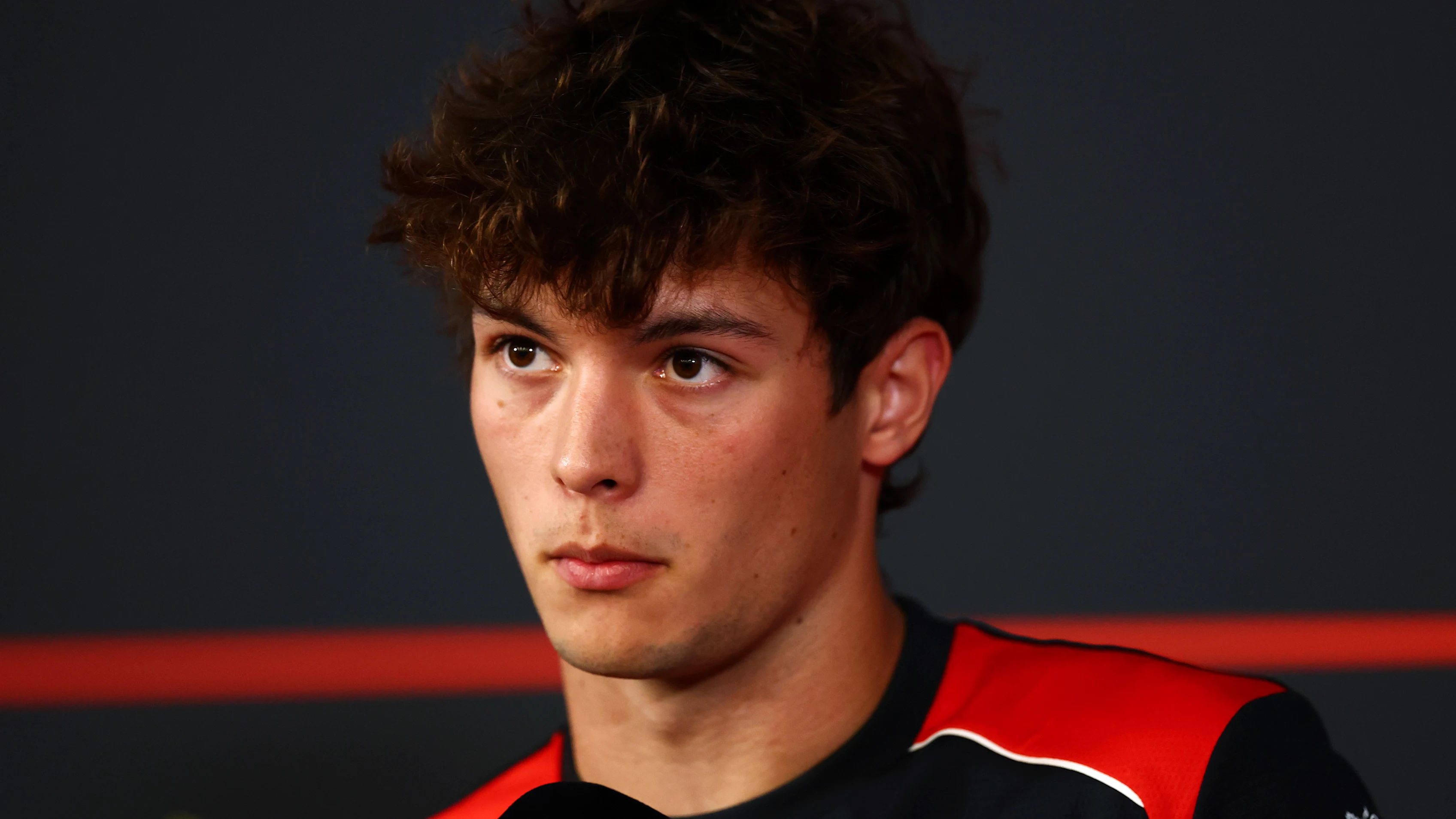
Hirakawa is not a typical rookie suddenly promoted from Formula 2. The Japanese driver is 32, won the 2022 24 Hours of Le Mans with Toyota and helped secure World Endurance Championship titles in both 2022 and 2023. Those achievements require racecraft, technical discipline, traffic management and the ability to deliver consistently over long stints. They do not make Formula 1 easy, but they make the idea of an inexperienced professional taking over the car misleading.
His relationship with Haas is also established. Hirakawa joined the team's reserve programme in 2025 and has participated in multiple practice outings and testing sessions. The Friday appearance in Mexico was his third FP1 run of the 2026 season after Austria and Hungary. That matters because he knows the steering-wheel procedures, team personnel and broad characteristics of the VF-26. He is not arriving from another paddock with no preparation, even if the race start itself is new.
There is a wider strategic connection. Toyota's technical relationship with Haas gives Hirakawa's endurance experience an additional relevance inside the organisation. His feedback has been part of the team's development work, and the 2026 car is the product of a new technical-regulation cycle in which learning and correlation are valuable. The promotion provides an unusual opportunity to assess his race-weekend performance, although Haas has not presented it publicly as an audition for a permanent seat.
The immediate benchmark will be Bearman, who has spent the season racing the car and knows how to extract lap time from its tyres. A raw comparison of their qualifying positions would be unfair without accounting for Hirakawa's limited preparation, traffic and any differences in setup. Still, keeping the car clean, managing tyre temperatures and avoiding procedural mistakes would constitute meaningful achievements. Points would be an exceptional bonus rather than a sensible minimum expectation for a first start.
Hirakawa's age also gives the moment its human appeal. Most aspiring F1 drivers either reach the grid in their early twenties or see that door close. He built a championship-winning career elsewhere, stayed useful as a test and reserve driver, and has now been handed a Grand Prix start at a point when the conventional pathway would have long since passed him by. The opportunity arrived through another driver's abrupt removal, but his own record makes it far more than a publicity cameo.

The shock substitution intensifies Ocon's uncertain future and Haas's points fight
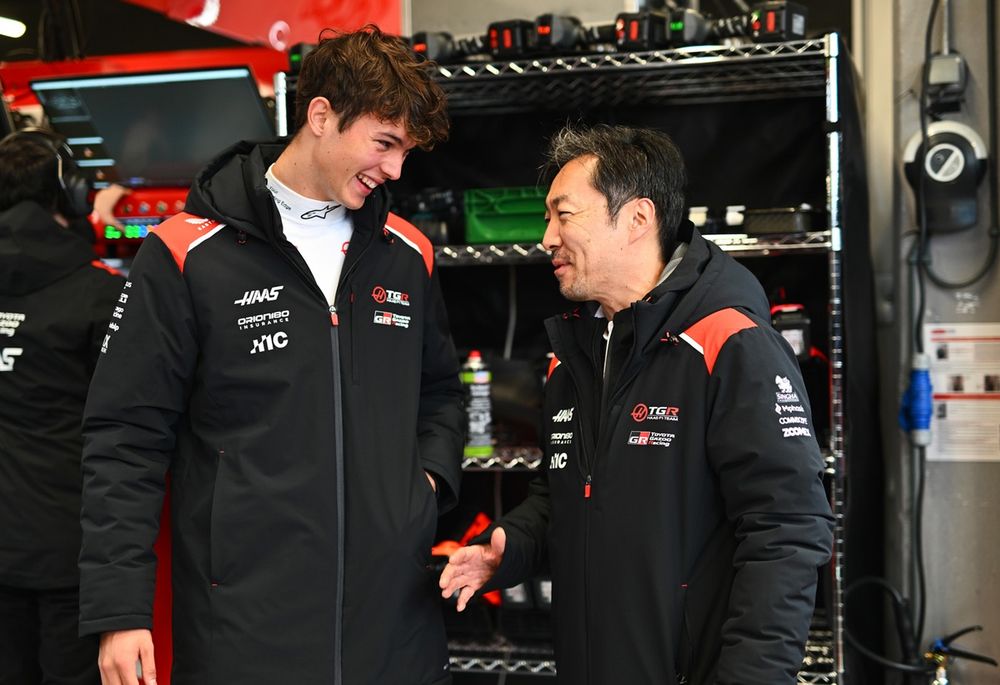
Ocon's position was already precarious before Mexico. Haas confirmed in September that the Frenchman would leave at the end of 2026, and Ferrari-backed Rafael Câmara has been selected for the 2027 seat. Bearman has said he wants to remain with the team, although his next contract had not been formally confirmed in the latest public comments. That leaves Ocon looking outside Haas for a route to continue his Formula 1 career.
The timing of this substitution could make that search more difficult. Ocon is a Grand Prix winner with considerable experience and has argued that he still has unfinished business in the championship. Yet missing a race weekend deprives him of a chance to show his performance at a time when available seats are scarce. The second Cadillac seat has been discussed as a possible destination, but interest, negotiations and an actual contract are three very different things. None should be presented as settled.
The circumstances also recall an awkward moment at the end of 2024, when Ocon left Alpine before the final race and Jack Doohan took his place. The parallel is striking, but it is not proof that the same contractual or disciplinary circumstances apply in 2026. Haas has authorised Hirakawa only for the remainder of the Mexican weekend. The team has not announced that Ocon is excluded from São Paulo or from the rest of the season.
Haas cannot afford to treat the weekend as merely a driver-market drama. The team entered Mexico seventh in the constructors' championship on 30 points, seven ahead of Audi, with Bearman responsible for 23 of those points. Even a modest result can matter in a midfield contest where positions translate into prize money, confidence and development resources. Changing one driver overnight introduces uncertainty into a battle that depends on execution as much as outright speed.
For Komatsu, the next decisions are therefore both immediate and reputational. He must give Hirakawa a workable race plan, protect Bearman's weekend and eventually decide how much to disclose about the unexpected change. For Ocon, the urgent question is whether Mexico is an isolated absence or the beginning of an earlier-than-planned departure. The available facts support the former as the only confirmed scope; the latter remains a possibility, not an established outcome.
Sunday will answer the competitive questions about Hirakawa's pace, composure and race management. It may not answer why Ocon was removed. That unresolved distinction is what makes the story bigger than an ordinary substitute-driver announcement: Haas has changed the person in its car at the last possible moment while leaving the reason for that decision out of public view.

Haas has made a dramatic choice, and its sporting consequences are already real. Hirakawa will make a long-awaited Grand Prix debut at 32; Ocon will miss a race he had prepared to contest; and the team must adapt on the eve of qualifying in one of the season's most technically unusual venues. The official record establishes the substitution and rules out illness, but it does not explain why the change was ordered.
Until Haas or Ocon provides more information, the Friday radio disagreement should remain context rather than a verdict. For now, Hirakawa has a rare opportunity to turn years of endurance success and reserve work into a credible Formula 1 race performance, while Ocon faces another uncertainty in a career that had already reached a crossroads.

















