Shakur Walks Away From Zuffa — Eight Weeks of Camp, Zero Fights
GOATIFYShakur Stevenson joined Zuffa Boxing in July as the sort of undefeated champion a new promotion could build around. Barely three months later, the partnership is over without a single fight. On October 19, Stevenson said his request to leave had been granted over the weekend, making him a promotional free agent again.
The surprise is not that an elite boxer wants a bigger event. It is that Stevenson says he spent roughly eight weeks preparing for fights that never materialized. The 25-0 WBO junior welterweight champion now wants to launch his own promotional company, work with willing partners and get his career moving. That changes the business story around one of boxing's most gifted technicians—but it does not automatically solve the matchmaking problem that preceded his exit.
Eight Weeks of Camp, No Fight: Why the Exit Happened
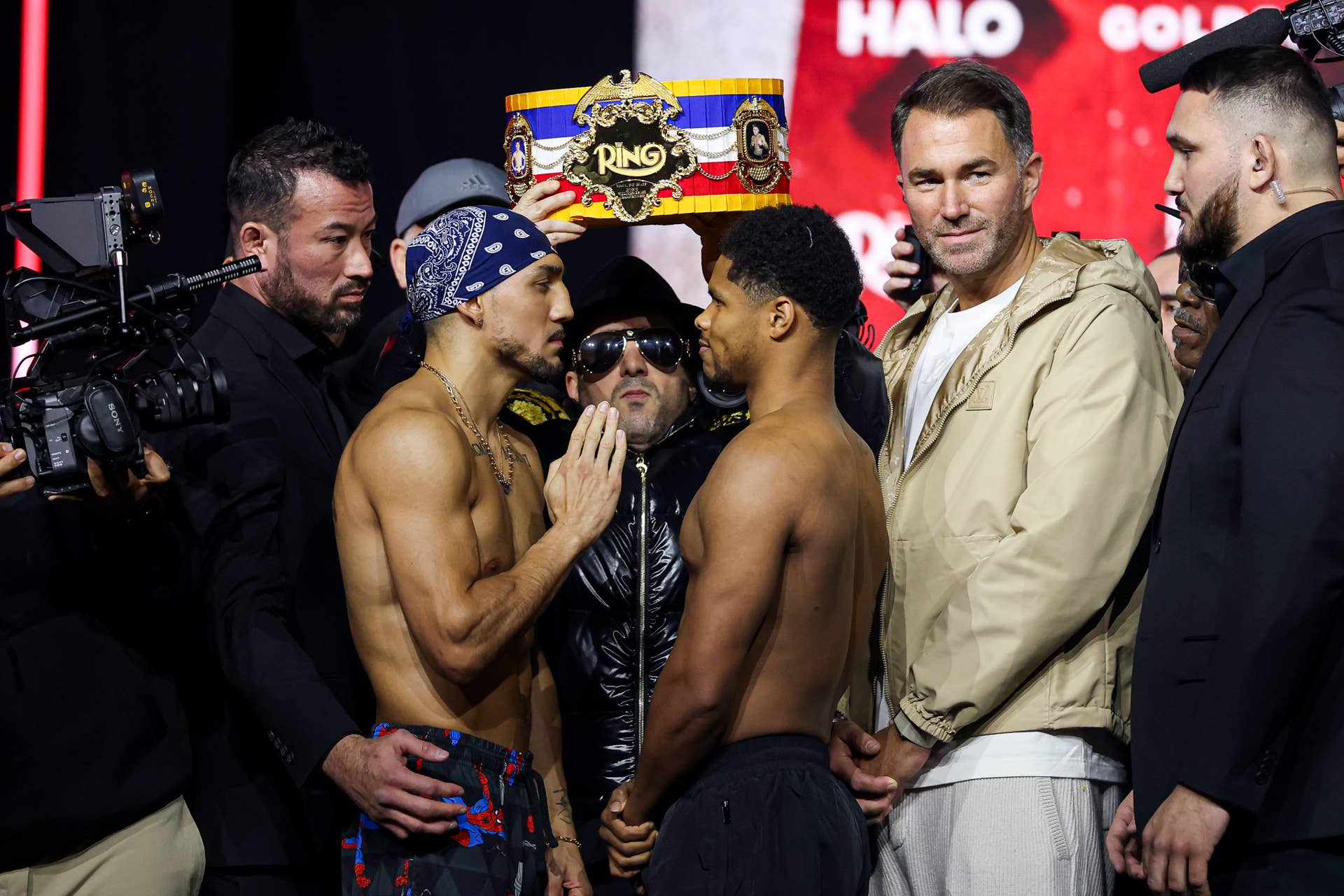
Stevenson's public explanation was notably restrained. He said he had been training hard, keeping himself ready and spending about eight weeks in camp for bouts he believed were coming. They did not happen. Rather than accuse specific people of wrongdoing, he described the experience as part of boxing's difficult business and said he asked to be released. That request, he said, was approved over the weekend.
The distinction matters. Stevenson has not publicly provided a detailed contract, and the precise obligations on either side are not known. His account establishes that he was frustrated by inactivity and sought an exit; it does not establish why every proposed fight failed or who was contractually responsible. The fact that Zuffa granted the request is significant enough without inventing a backstage dispute.
His signing had been announced in July as a multi-fight arrangement, with a major promotional name now attached to the undefeated four-division champion. It was a promising match on paper: Zuffa wanted recognizable elite talent, while Stevenson needed the sort of headline opportunities that could translate his skill and unbeaten record into broader commercial appeal. A promotion's roster, however, is only as compelling as the actual contests it can put on.
Stevenson is 29 and coming off a statement victory, not a rebuilding year. His January decision over Teofimo Lopez delivered a world title at 140 pounds and strengthened his case among the best pound-for-pound fighters. In that context, months spent waiting for a next opponent carry a different cost than they would for a prospect learning the professional schedule. Each training block uses time, resources and physical energy, even when no fight-night payday follows.
The immediate outcome is clear: the contract relationship has ended, Stevenson has not boxed under the Zuffa banner, and he can seek another arrangement. The bigger test is whether his new freedom produces a firm opponent and date rather than another cycle of announcements.

The Devin Haney Breakdown Shows Why a New Promoter Is Not Enough

Stevenson's release arrives just days after another high-profile potential matchup failed to become a signed fight. Discussions involving Devin Haney had generated interest because they promised two established American stars with contrasting strengths: Stevenson's distance control and precision against Haney's size, experience and tactical discipline. But public exchanges over the proposed weight and other conditions exposed how far a headline can be from a contract.
Reports on the negotiations described competing accounts of a possible catchweight and a rehydration clause. Stevenson and Haney offered different explanations for the breakdown. Without a completed agreement, it would be misleading to present either side's version as a settled account of what happened. The useful conclusion is narrower: a fight fans wanted remained unmade, and the inability to agree on terms became part of Stevenson's growing inactivity problem.
That is the core risk for his next phase. A free agent can talk to multiple promoters, platforms and opponents, but elite fighters still have different weight preferences, mandatory obligations, financial demands and commercial partners. Independence expands the menu of possible negotiations; it does not eliminate the trade-offs inside each one.
For Stevenson, the strongest argument is sporting. His victory over Lopez showed he can dominate a dangerous opponent at 140 pounds without needing a favorable stylistic setup. The southpaw controlled range, kept Lopez reacting and won a lopsided unanimous decision. It was precisely the sort of performance that should have generated momentum toward another major name. Instead, the next months became a debate about terms rather than a new opponent.
A Haney fight could still make sense if both camps return with workable terms, but there is no basis to describe it as scheduled. Other names at or near 140 pounds may offer different paths to activity, particularly if Stevenson prioritizes a real date over a long negotiation for one marquee opponent. The decision facing him is not simply which rival is most attractive; it is which credible fight can actually be delivered.
Starting His Own Company Could Give Stevenson More Leverage—and More Work

Stevenson says he plans to start his own promotional company while remaining open to working with established promoters. Those two ideas are not contradictory. A fighter-controlled business can negotiate event-by-event partnerships rather than depend entirely on a single long-term arrangement, while still using experienced operators for venues, broadcast distribution, marketing and opponent contracts.
The attraction is straightforward: greater influence over the timing, branding and economics of a career that is already operating at championship level. Stevenson has spent years building a reputation as one of boxing's most difficult opponents. Owning more of the business around his name could help him capture the value of that reputation, especially if he continues to win.
But promotion is not just a logo and a press release. A successful show requires an opponent with compatible terms, sanctioning arrangements where belts are involved, an arena, a broadcaster, insurance, production, medical and regulatory approvals, and a workable financial structure. Even fighters with enormous profiles often need experienced partners to make those pieces fit. Stevenson's stated willingness to collaborate is therefore as important as his intention to establish a company.
There is also a distinction between controlling decisions and avoiding responsibility for them. Under an exclusive agreement, fans may blame the promoter when a fight falls through. If Stevenson has a direct role in assembling his own events, the public will judge his organization by the same simple standard: did it produce a meaningful opponent and a fight date?
His history gives him relationships across boxing's existing ecosystem, including the people involved in his January Lopez event. Those connections may create options, but no new promoter or television agreement should be treated as confirmed until announced. The smartest early move may be a practical co-promotion that gets him back into the ring, followed by a more ambitious business buildout once the company has demonstrated it can deliver.

135, 140, Then 147? His Weight-Class Timeline Is a Strategic Choice
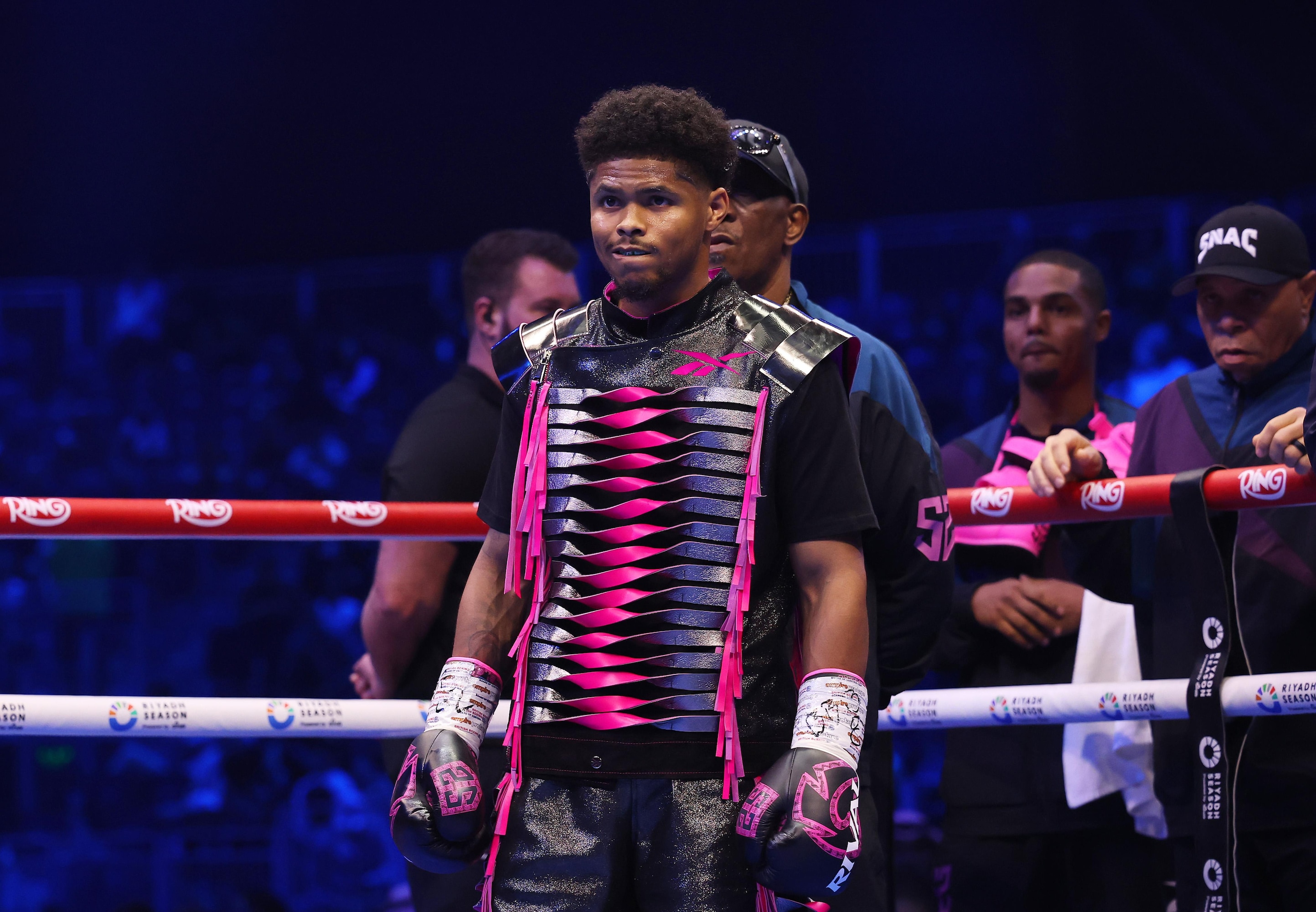
Stevenson was unusually specific about what he wants next. He is targeting major fights at 135 or 140 pounds, the latter being the division in which he holds the WBO championship. He also said a move to 147 pounds could come in roughly a year or two, but on his own timetable. That is a plan, not an announcement of a welterweight debut.
His career makes the calculation unusually interesting. Stevenson has won world titles across featherweight, super featherweight, lightweight and junior welterweight. The move to 140 culminated in January's commanding victory over Lopez at Madison Square Garden. It demonstrated that his defense, positioning and timing could travel upward in weight against an established champion. A fifth division, though, would introduce another set of physical and competitive questions.
At 135, he would need to weigh the effort of moving down against the opportunity to secure a high-profile fight. At 140, he has a current belt and a natural sporting platform from which to seek unifications or compelling defenses. At 147, he would meet larger opponents and potentially different styles, with more emphasis on whether his speed and distance management can neutralize the added size. None of those options is automatically the correct one; the available opponents and conditions will matter.
Inactivity also changes the equation. A champion can remain technically brilliant while losing the rhythm that comes from regular camps with definite finish lines. The longer the gap after the Lopez victory, the more the story shifts from Stevenson's dominance in the ring to why his next fight is still not booked. That is especially frustrating for a fighter who has repeatedly said he wants the best names available.
His next announcement therefore needs three things: a credible opponent, a real date and transparent terms about the weight class. If those pieces arrive quickly, the Zuffa split may look like a productive reset. If they do not, the freedom he has won will be real, but the central problem of his 2026 campaign will remain unresolved.
Stevenson has reclaimed control of his immediate future without losing his unbeaten record or his 140-pound title. That is a stronger position than a boxer leaving after a defeat, but it comes with an urgent challenge. His last appearance was the January masterclass against Lopez; fans now need a fight, not another negotiation timeline.
The new promotional company could eventually be a meaningful business move. For now, its first measure of success is simpler: get Stevenson a serious opponent at an agreed weight and put the date on the calendar. Until then, the most important development is not who he left—it is whether independence finally gets him back into the ring.