Atlanta Finally Won the Elimination Game — Now the Dodgers Test Whether It Changed Them
GOATIFYAtlanta did more than survive a Wild Card series Thursday night. It finally won the kind of postseason game that had become a recurring source of scar tissue. The Braves beat Philadelphia 6-2 in decisive Game 3, ending a six-game losing streak in elimination games and winning a winner-take-all postseason contest for the first time since 1996.
The score was comfortable, but the route was revealing. Michael Harris II changed the game in the first inning. Ray Kerr, a surprise opener making his postseason debut, gave Atlanta 3 1/3 scoreless innings. Ozzie Albies and Matt Olson added power. Then Chris Sale, only two days removed from a 6 1/3-inning Game 1 start, came out of the bullpen to finish it. Atlanta advanced because nearly every aggressive decision worked.
Michael Harris II changed the entire shape of the game in one swing
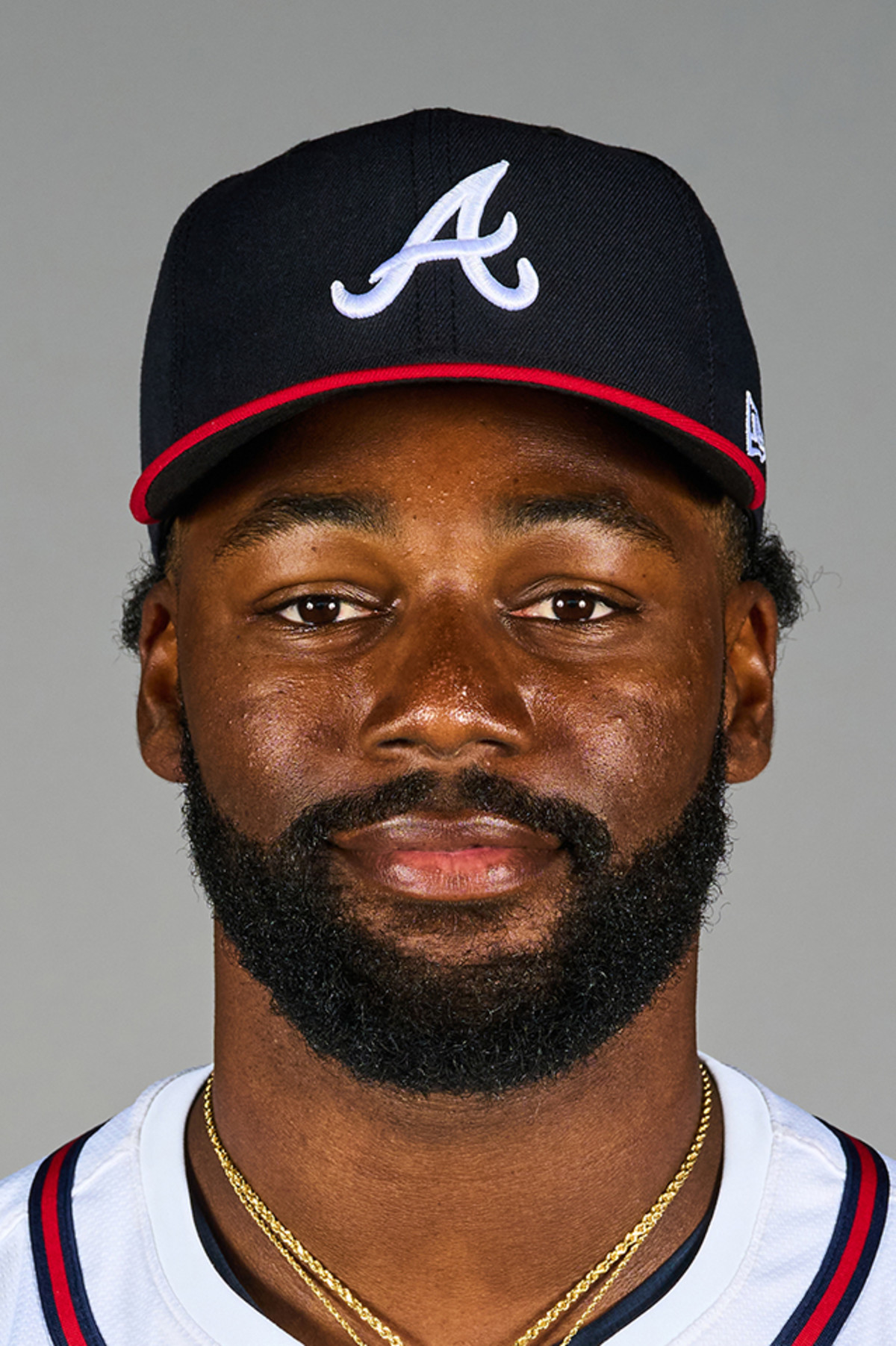
Winner-take-all games often become tense because both teams spend the opening innings waiting for the first mistake. Harris removed that possibility almost immediately. Aaron Nola walked Ronald Acuña Jr. and Matt Olson in the first inning, fell behind Harris 2-0, and left a sinker in a place Harris could drive. The three-run homer meant Atlanta did not have to play Game 3 as if every pitch carried the weight of its recent October history.
That was especially important after Game 2. Harris had grounded into two double plays in the extra-inning loss, exactly the kind of performance that can follow a player into the next night if the next opportunity arrives late. Instead, he got another leverage moment in the first inning and turned it into the defining swing of the series.
The sequence also showed why Atlanta's lineup remains difficult to navigate even when it is not producing a parade of hits. The Braves finished with six hits, the same total as Philadelphia. The difference was damage. Walks to Acuña and Olson created traffic, Harris converted it into three runs, and the Phillies were forced to chase the game from the opening frame.
Against Los Angeles, Atlanta may not get many innings in which multiple mistakes arrive together. The lesson from Harris is not that the Braves can simply wait for home runs. It is that their best hitters have to turn the few favorable counts they receive into maximum pressure. In Game 3, Harris did that before the anxiety could settle in.

Ray Kerr made Atlanta’s most aggressive decision look obvious

The most revealing choice came before Harris ever swung. Atlanta handed the ball to Ray Kerr, a 32-year-old left-hander making his postseason debut and only his fourth career major-league start. On paper, that is the kind of decision that gets remembered forever if it fails. In practice, Kerr made it look remarkably calm.
He allowed one hit and one walk across 3 1/3 scoreless innings. More importantly, he neutralized the part of Philadelphia's order Atlanta wanted him to see. Kyle Schwarber and Bryce Harper were the obvious left-handed threats, and the opener strategy let Weiss shape those early matchups rather than asking a conventional starter to navigate the lineup three times.
Grant Holmes followed and absorbed two more innings, and Atlanta kept layering relievers behind him. Six pitchers combined to hold Philadelphia to two runs. The Phillies actually produced enough baserunners to make the game uncomfortable, but they went 0-for-6 with runners in scoring position and never created the sustained inning needed to erase the early deficit.
The Dodgers will stress this model far more severely. Their lineup has fewer obvious pockets to attack, and a five-game series punishes a bullpen that is asked to cover too many outs too early. Still, Kerr's performance gives Atlanta something valuable: evidence that unconventional deployment can work under maximum pressure. In October, a manager who trusts matchups instead of labels can steal outs. Weiss just watched the boldest pitching call of his postseason pay off.
Chris Sale closing the game was more than a dramatic cameo
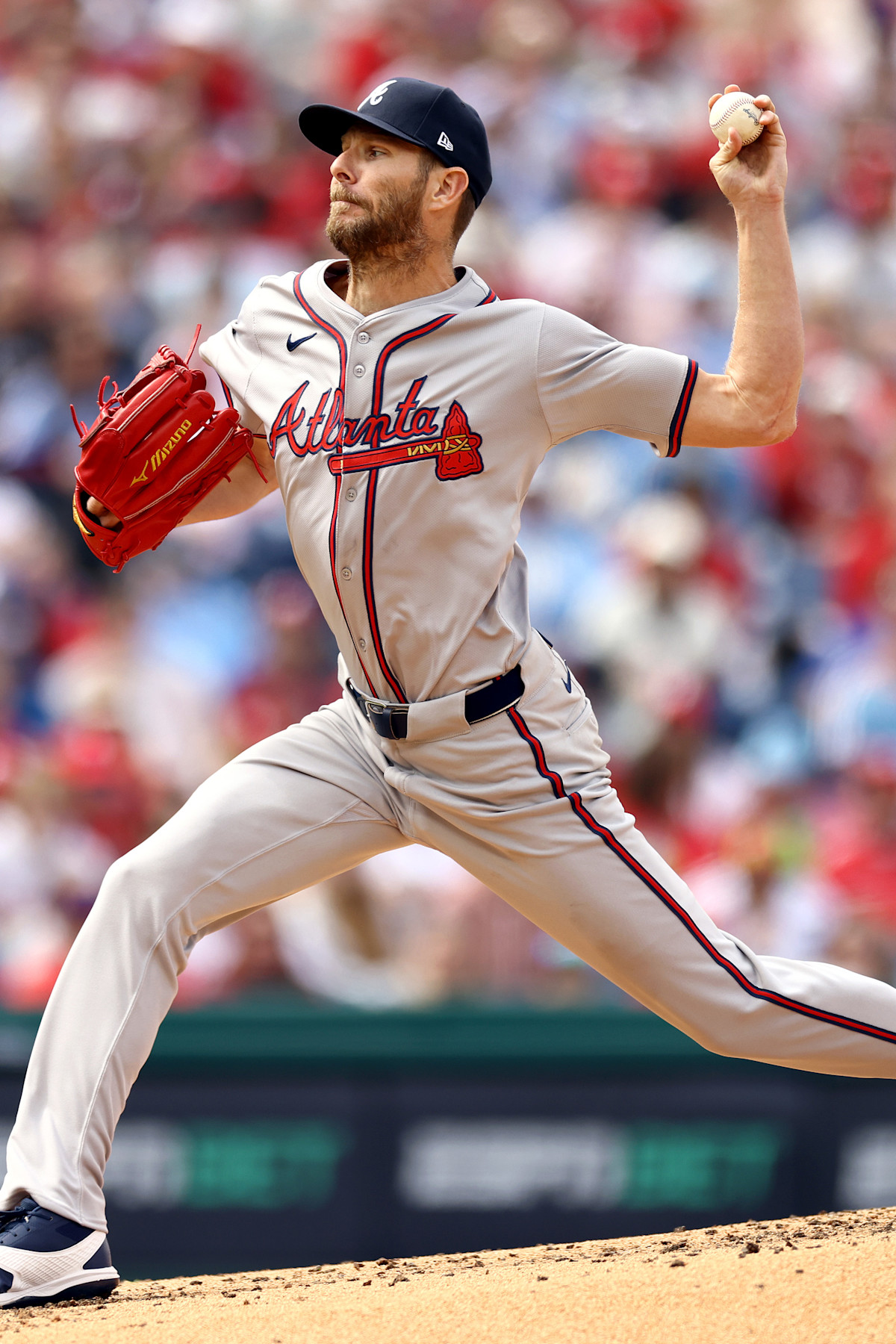
Sale had already done the conventional ace job in Game 1, striking out nine across 6 1/3 innings. Two days later, Atlanta asked him for something completely different. He entered in the eighth inning, struck out Bryce Harper to end the frame and then handled the ninth. Aside from a bulk-relief appearance in 2025, it was his first true relief appearance since he closed the 2018 World Series for Boston.
The symbolism is obvious, but the tactical meaning is better. Postseason teams get in trouble when regular-season hierarchy becomes more important than the game in front of them. Sale is Atlanta's ace. That did not mean he had to sit and protect a future start while the current season was still at risk. His willingness to take the ball gave Weiss a premium option exactly when Philadelphia still had a path back.
That cannot become the default. Sale's health and availability matter too much for Atlanta to treat every late inning as an invitation to use him. But the Braves now enter the Division Series having demonstrated that roles can bend. A starter can open. An ace can close. A reliever can be asked for more than three outs. Those options matter in a short series where one inning can swing the entire bracket.
The Dodgers' depth will force Atlanta to be selective. The point is not to repeat Thursday's script mechanically. It is to preserve the mindset behind it. If the highest-leverage outs arrive in the seventh inning, the Braves cannot manage as if the ninth is automatically more important. Sale's cameo was a reminder that October rewards urgency when it is paired with a plan.

The Dodgers will test whether Atlanta’s flexibility is a strength or a necessity
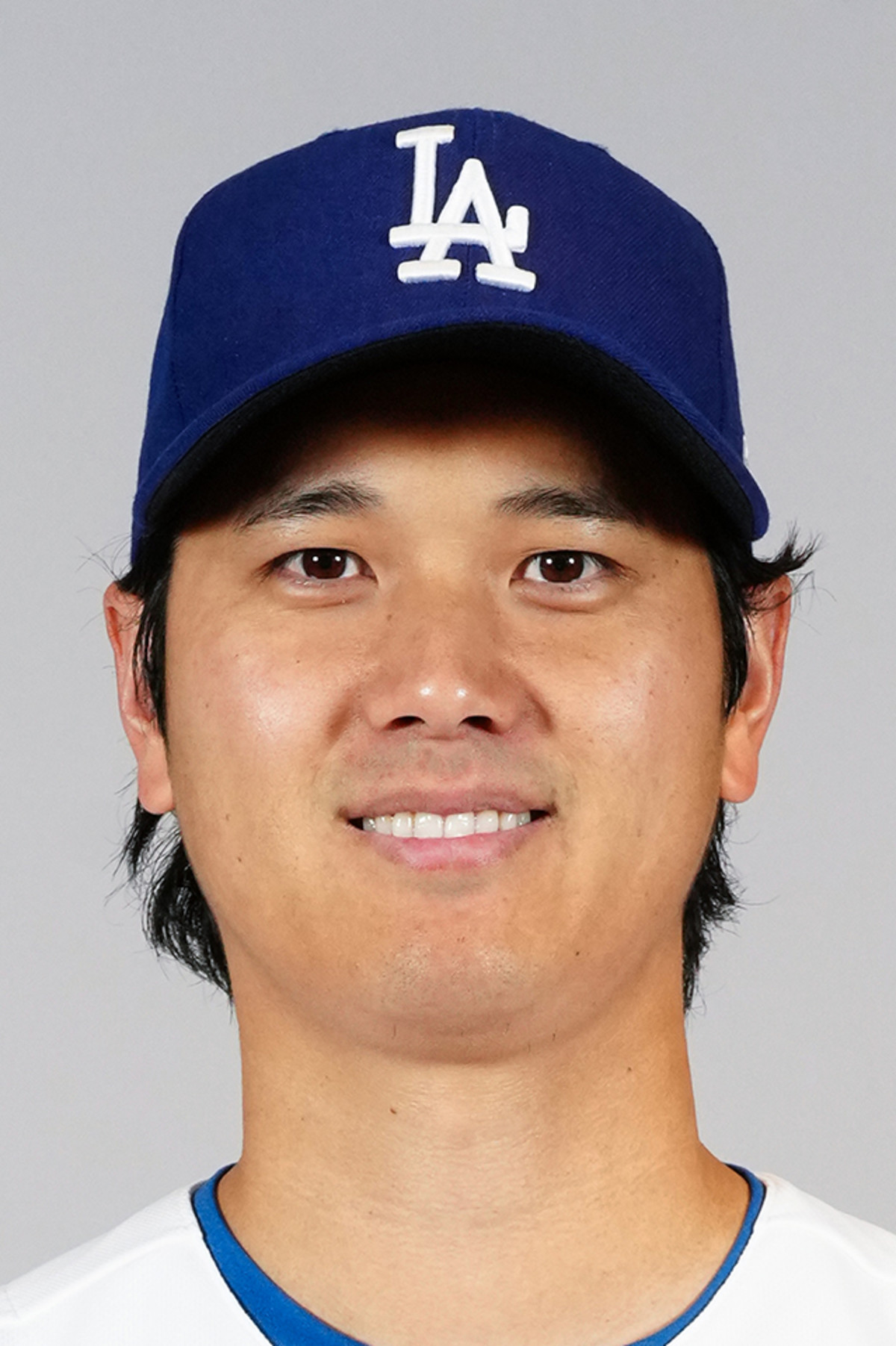
The reward for finally beating Philadelphia is the least forgiving opponent Atlanta could draw. Los Angeles enters the Division Series as the two-time defending champion, with a rotation built to shorten games and a lineup capable of punishing a pitching plan the moment it becomes predictable. Atlanta's Game 3 creativity is encouraging precisely because the Braves will probably need more of it.
The matchup also changes the offensive challenge. Philadelphia allowed Atlanta to turn three pitches into all six runs: Harris hit a three-run homer, Albies added a two-run shot and Olson supplied the final solo homer. That kind of concentrated power can win any postseason game, but it is dangerous to assume the same opportunities will keep appearing. The Braves need traffic, disciplined at-bats and pressure from more than the middle of the order.
There is still a reason for confidence. Atlanta won five of six regular-season meetings with Los Angeles, evidence that the matchup is not psychologically overwhelming. More importantly, Thursday showed a team willing to adjust rather than wait for its stars to rescue a rigid plan. That is the trait most likely to travel into a series against a deeper roster.
None of this makes Atlanta the favorite by default. Beating Philadelphia solved an old problem; it did not solve the Dodgers. But postseason belief is more useful when it comes from proof. Harris proved he can answer after a bad night. Kerr proved an unconventional opener can hold up. Sale proved the ace label does not limit when he can help. Atlanta now has a recent example of what it looks like when the entire roster accepts the urgency of October. That is a better starting point than simply celebrating the end of a drought.
Breaking the drought matters because Atlanta stopped playing its history
The 1996 reference is striking because it shows how long this specific type of game had resisted Atlanta. The Braves had won a World Series in 2021 and plenty of important postseason games in between, but they had lost six straight elimination games since their last winner-take-all victory. Philadelphia had become part of that frustration, knocking Atlanta out in 2022 and 2023.
History does not swing a bat, yet repeated failures can shape the environment around a team. Every missed opportunity becomes another comparison point. Every late deficit revives the same question. Thursday gave this group a different reference. When the season reached a single-game edge, Atlanta scored first, kept adding, used its pitching staff aggressively and never allowed Philadelphia to turn the night into a referendum on old collapses.
That distinction matters heading to Los Angeles. The Braves do not need to pretend the past never happened; they now have fresher evidence that the current roster can respond to pressure. Harris rebounded from a difficult Game 2. Albies and Olson expanded the lead instead of protecting it. Sale volunteered for the outs that ended the series. Those are repeatable behaviors even if the exact box score is not.
The drought ending is therefore useful only if Atlanta treats it as permission to move forward. Beating Philadelphia does not create a cushion in the NLDS. It removes an excuse. The Braves can enter Dodger Stadium thinking about the opponent in front of them rather than the elimination games behind them.
Atlanta has answered one question this October: it can win the game that used to stop it. The harder question begins now. Can the Braves reproduce that freedom against the deepest opponent in the National League?
The Dodgers will care about Harris getting dangerous pitches early, whether Olson and Albies punish mistakes, how Walt Weiss deploys Sale, and whether Atlanta can manufacture enough innings from a staff that just showed unusual flexibility. Thursday removed a burden. Saturday begins the test of what Atlanta can do without it.