Chwalinska Won Wuhan — Now Both Finalists Have Withdrawn From Their Next Events
GOATIFYA day after winning the biggest title of her career, Maja Chwalinska has withdrawn from the Ningbo Open with a left-thigh injury. The Wuhan champion was scheduled to face fellow Pole Katarzyna Kawa, but Daria Snigur has taken her place. Runner-up Sonay Kartal has also withdrawn from Osaka with a right-knee problem. Both decisions came almost immediately after an extraordinary WTA 1000 final, shifting attention from their breakthroughs to recovery and the crowded Asian swing.
The injuries' precise diagnoses and return dates have not been established publicly. What is clear is that Ningbo and Osaka are now missing the two women who defined Wuhan's final weekend, with consequences for both draws and the remaining late-season opportunities.
A Wuhan Title, Six Matches and a Thigh Injury
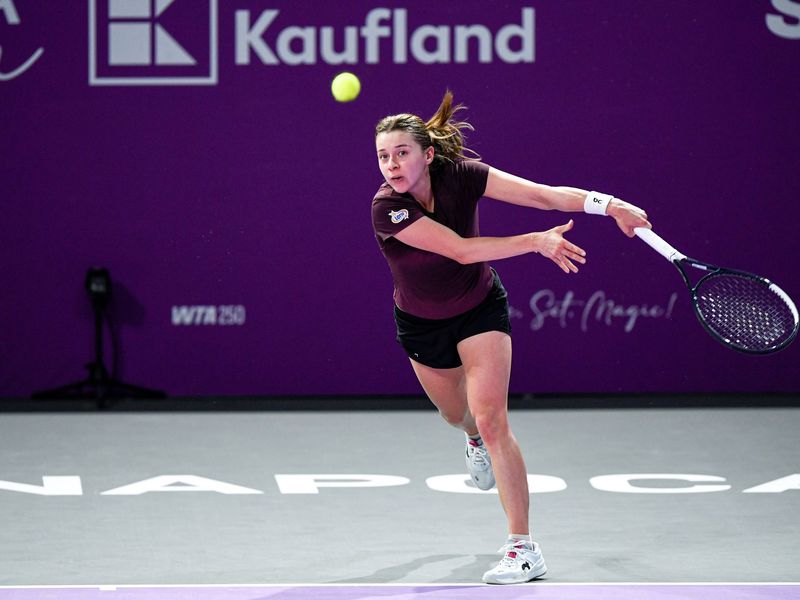
Chwalinska's Wuhan title was not built on comfortable straight-set victories. She played six matches in seven days, including a three-set quarterfinal against Maria Sakkari that finished 7-5 in the decider. In the semifinals she defeated Iga Swiatek 7-5, 6-1, after recovering from a first-set deficit while her fellow Pole struggled with a leg problem. Those matches preceded an exhausting championship contest against Kartal.
The final lasted two hours and 43 minutes. Kartal took the opening set 6-2, but Chwalinska gradually changed the rallies, took the second 6-4 and won the decider 6-2. Her varied left-handed game — changes of pace, careful placement and an ability to turn defensive positions into awkward balls — had been central to her week. In a final against an aggressive returner, she needed those skills even as the contest stretched into a third set.
Her first WTA title came at the 1000 level, after a breakthrough run to the French Open final earlier in 2026. Wuhan also brought 1,000 ranking points and a projected career-high ranking near No. 11. This makes her Ningbo exit particularly striking: she is withdrawing while her form is excellent, not while trying to escape a slump.
The withdrawal followed a demanding week. A return date has not been announced.

Ningbo's New Kawa–Snigur Rematch Changes the Draw

Chwalinska's exit changes the Ningbo opening round. Her scheduled match with Katarzyna Kawa would have followed the all-Polish Wuhan semifinal against Swiatek. Instead, Kawa faces Ukrainian lucky loser Daria Snigur, an immediate rematch because the pair had already met in qualifying. Kawa led 6-1, 2-0 when Snigur retired after dizziness. Snigur's entry gives her another chance, but the abbreviated qualifying contest says little about how their next match will unfold.
The winner is due to face either Jelena Ostapenko or fifth seed Belinda Bencic. The wider tournament remains strong for a late-season WTA 500. World No. 1 Elena Rybakina returns as defending champion after winning Ningbo in 2025. She has a first-round bye and is scheduled to meet the winner of Cristina Bucsa against Polina Kudermetova.
Second seed Swiatek is also in the draw after a leg problem affected her Wuhan semifinal. She has a bye and could open against Kamilla Rakhimova or Marie Bouzkova. Swiatek and Marta Kostyuk still have WTA Finals qualification ambitions, while Rybakina has already secured her place. With 500 points and $185,500 available to the Ningbo champion, each round has consequences in the late-season race.
Those stakes create difficult choices for players managing their bodies. Chwalinska's withdrawal removes a new champion from the field, but also creates an opening for a lucky loser. Kawa and Snigur now have an unusual subplot: the player forced to stop in qualifying gets a second opportunity against the same opponent in the main draw.
Kartal's Osaka Withdrawal Makes It Two Finalists Out
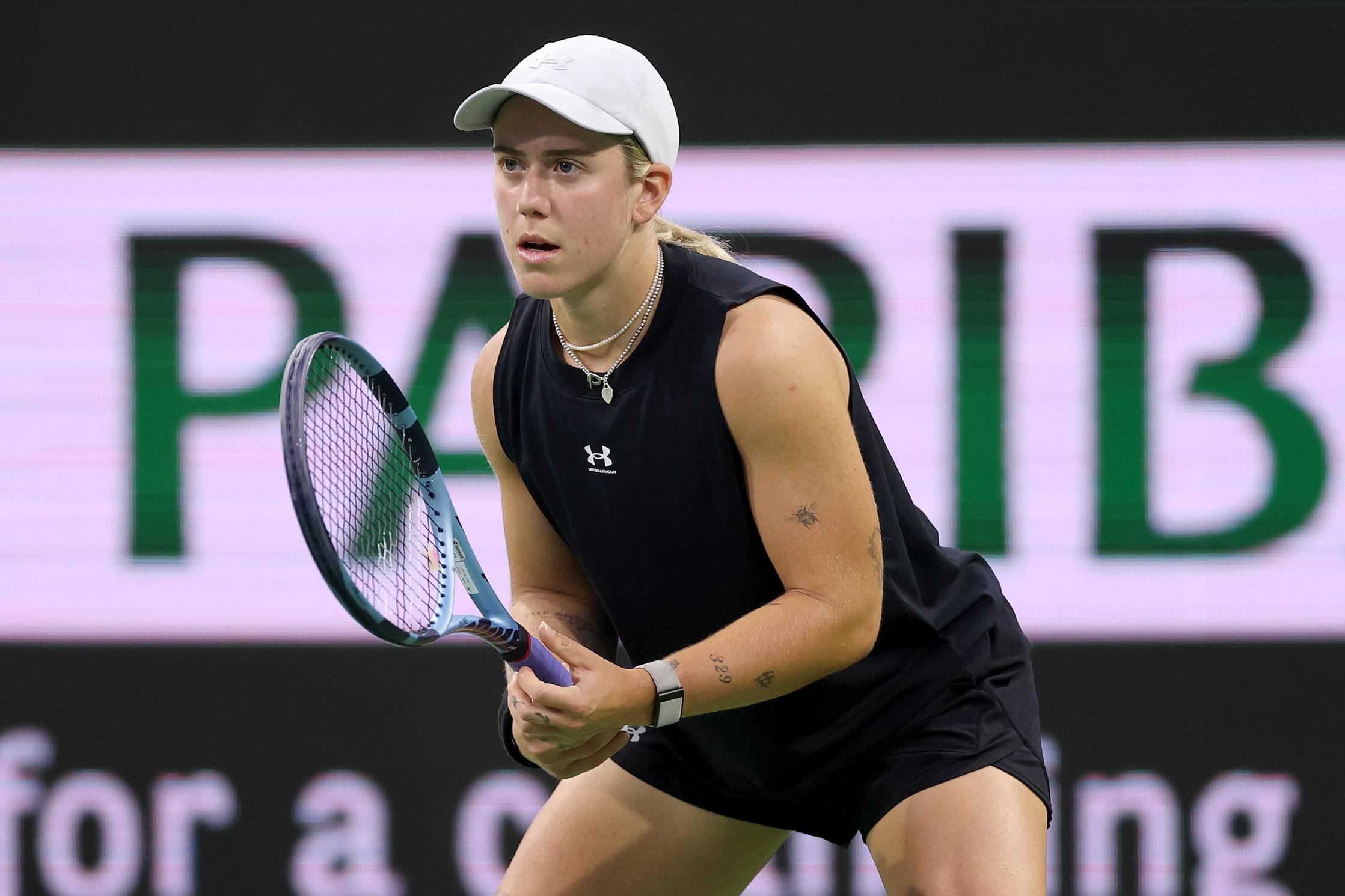
Sonay Kartal has also withdrawn from the Japan Open in Osaka. She was scheduled to meet third seed Kimberly Birrell in the opening round. The British player cited a right-knee problem following her run to the Wuhan Open final. The withdrawal changes Osaka's draw and interrupts a remarkable return to form.
Kartal entered Wuhan ranked around No. 170 after six months away from the tour because of a back problem. She beat Belinda Bencic, Jasmine Paolini and Elina Svitolina, then edged Jelena Ostapenko in two tense tiebreaks to reach her first WTA 1000 final. That made her the lowest-ranked finalist at this level in the modern format, a remarkable achievement after such a long interruption.
In the final, Kartal took the first set before Chwalinska found better control and won in three. Kartal left without the trophy, but with an improved ranking outlook and renewed confidence. Her Osaka absence does not erase the wins that made her Wuhan run memorable.
The timing is central. Wuhan ended on Sunday; Ningbo and Osaka began on Monday. A player can go from a championship match to a new tournament with almost no time for travel, rest or preparation. That does not prove the schedule caused either setback, but it highlights the narrow recovery window of consecutive events on the Asian swing.

Chwalinska is out of Ningbo, Snigur gets an unexpected rematch against Kawa, and Kartal will not play Osaka. The draw changes are confirmed; the longer-term medical outlooks are not. Their Wuhan achievements remain substantial regardless of what comes next, and recovery will determine when they can build on them.
Two surprise finalists delivered one of the season's memorable championship matches. The immediate aftermath is a reminder that protecting those gains sometimes means missing the very next event.
Shop GOATIFY tennis products from the Tennis-filtered collection scope.