

Zion Demanded a Look in the Mirror. The Pelicans Had Just Allowed 145.
GOATIFYZion Williamson had scored 29 points. New Orleans had surrendered 145. If there was ever a night to stop measuring the Pelicans solely by their leading scorer, Wednesday's 145-111 loss to the Brooklyn Nets was it. The defeat dropped New Orleans to 4-8, stretched its losing run to four games and drew an unusually direct response from the star forward: the entire team, coaches included, needed to review its own defensive effort.
The final score was ugly enough. Its setting made it worse. Brooklyn entered the November 11 game with just two wins, yet poured in 83 points before halftime and made 20 three-pointers. Only two days earlier, Golden State had beaten New Orleans 138-87. That is an 85-point combined losing margin across consecutive games, after a brief four-win recovery had suggested the Pelicans were moving in the right direction.
Williamson's challenge was about more than embarrassment. A team can lose because an opponent hits difficult shots, but repeated breakdowns in help defense, transition coverage and concentration are questions of preparation and accountability. The numbers from Brooklyn, the longer skid and Friday's looming NBA Cup meeting with Memphis turn his comments into a practical test: what, specifically, changes next?
Zion's message asked everyone to answer a defensive question
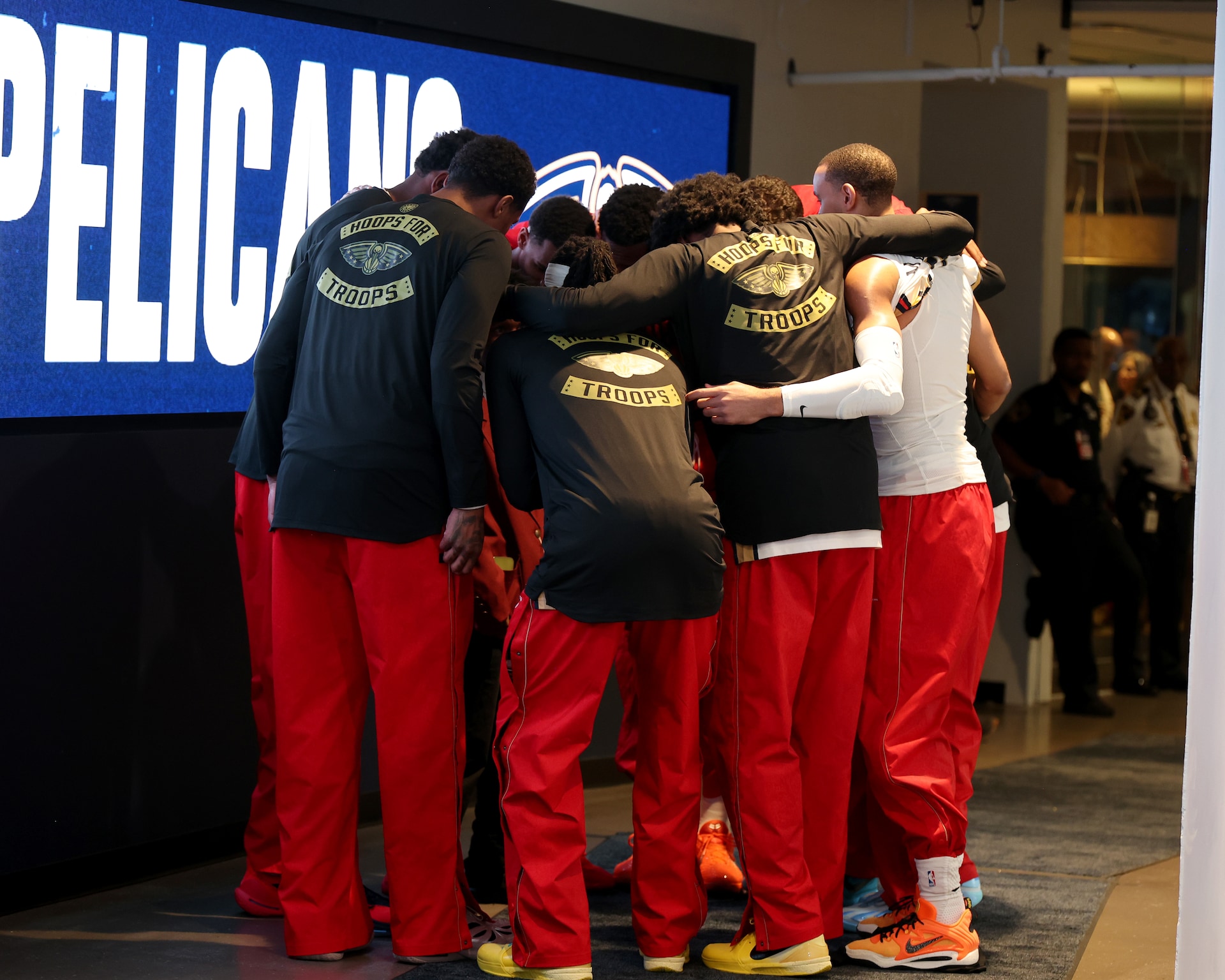
When New Orleans lost to Brooklyn on Wednesday, the most revealing reaction did not concern the box score. Zion Williamson challenged the entire organization to examine its defensive commitment, including his own. He was not suggesting that one teammate or one coach could explain a 145-point concession. His point was more uncomfortable: every player should be able to identify whether he was in the right help position, contested a shot and made the effort required by the possession.
That is why his postgame call to "look in the mirror" carries more weight than the usual frustration after a bad night. New Orleans had just absorbed a 145-111 defeat against a Nets team that arrived with only two victories. Williamson described the performance as unacceptable, but directed the test inward rather than making the visitor's shooting the sole explanation. It was also an acknowledgement that a locker room can know the correct tactical principles and still fail to execute them for an entire game.
The sequence leading to the criticism matters. The Pelicans opened 2026-27 with four losses by a combined 23 points, then climbed back to 4-4 with four wins. Those first defeats at least left room to argue that a handful of possessions could have flipped the outcomes. The recent results have been different. A 138-87 loss to Golden State on Monday was followed by Brooklyn's 34-point win on Wednesday. Across those two games, New Orleans was outscored by 85 points. That is not a narrow late-game problem; it is a warning about competitiveness over full stretches.
Williamson scored 29 points against Brooklyn, making him the Pelicans' clearest attacking threat. That production does not cancel out his criticism, and it does not establish that he personally defended well on every trip. Offense and defense demand different types of cooperation. A forward may create efficient chances at one end while the group repeatedly gives back open threes, unprotected drives or transition opportunities at the other. Asking whether everyone fulfilled an assignment is therefore more useful than treating an individual scoring total as a verdict on the team's performance.
GOATIFY
GOATIFY Basketball
Zion's demand for defensive accountability goes beyond a single box score. Explore GOATIFY Basketball fan gear as the Pelicans face their next test.

Zion Williamson G.O.A.T. - Basketball Casual Tee
A basketball fan design for everyday wear.
Shop Now ↗

Zion Williamson G.O.A.T. - Basketball Decal Sticker
Add basketball personality to your favourite gear.
Shop Now ↗

Zion Williamson G.O.A.T. - Basketball - Hoodie
A basketball fan design for everyday wear.
Shop Now ↗
Michael Jordan - GOAT Chicago Bulls Basketball Tee
A basketball fan design for everyday wear.
Shop Now ↗The accountability message also creates a practical standard. After an opponent scores, teammates can point to the precise breakdown: a screen defended differently from the call, a late rotation from the weak side, an unchallenged catch-and-shoot opportunity or a failure to recover after a turnover. Those are questions the Pelicans can review on film instead of arguing only about desire. The danger for a 4-8 team is that broad words about energy become a substitute for clear corrections. Williamson's remarks will have substance only if the coaching staff and players turn them into repeatable habits across possessions.
Brooklyn's 83-point half showed how wide the defensive cracks are
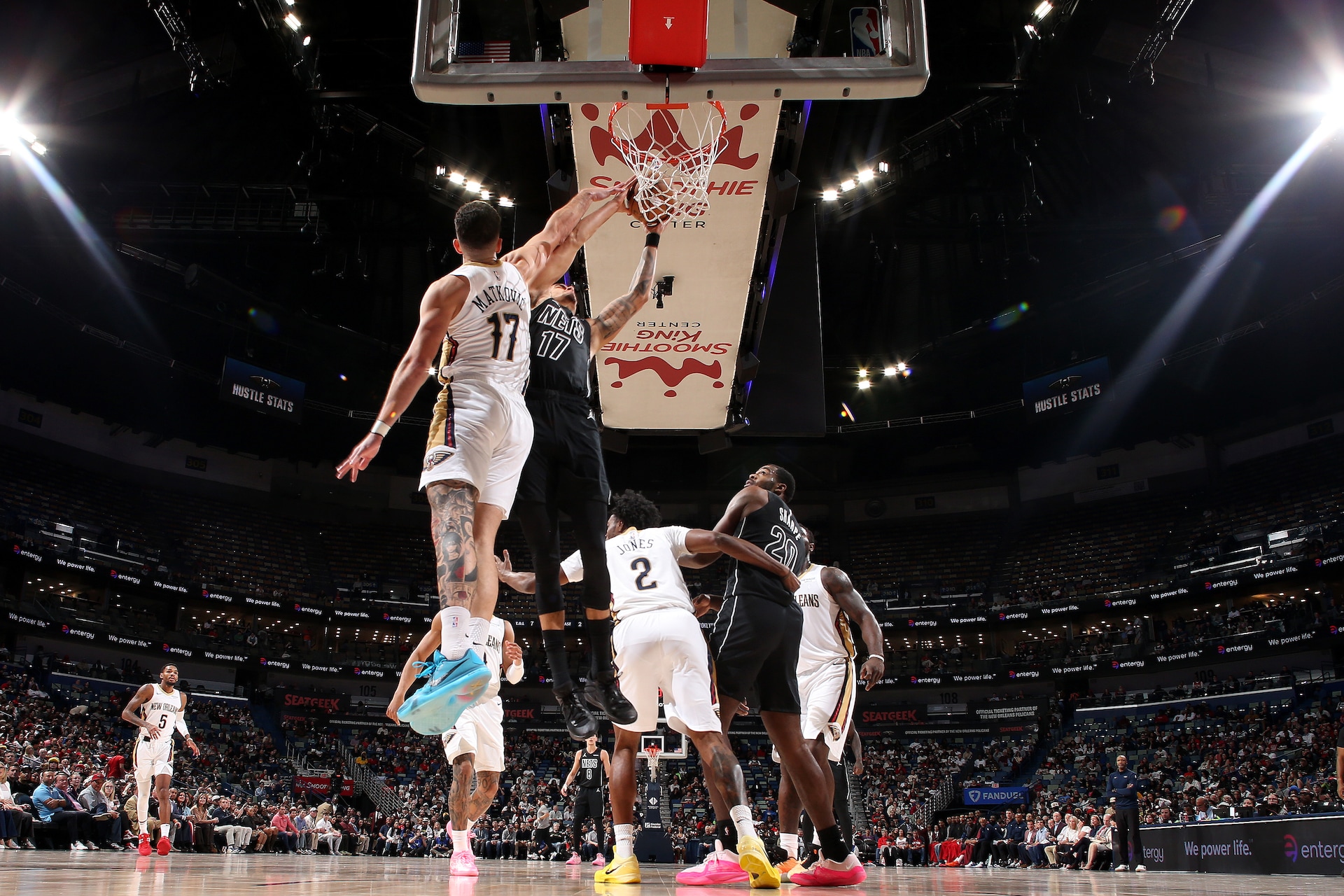
Brooklyn did not need one absurd quarter to reach 145. The Nets scored 39 in the first, 44 in the second and 38 in the fourth. The result was an 83-point first half, their highest-scoring half of the season at that stage, and a 17-point advantage by the break. An opponent can occasionally steal an entire evening with implausible jump shooting. The Pelicans, however, allowed both volume and efficiency across several separate stretches, giving the defense very little room to claim that one hot hand decided everything.
The headline shooting numbers are severe. Brooklyn made 20 of 41 attempts from three-point range, almost 49 percent, while shooting about 57 percent overall. Michael Porter Jr. and Egor Dëmin scored 22 apiece. Julius Randle added 17, while other contributors found enough points to prevent New Orleans from locking onto a single creator. A balanced attack can punish indecision: helping too far toward the ball can expose a corner, while staying attached to shooters can leave the paint vulnerable. The final percentages cannot prove which specific rotations failed, but they show why New Orleans needs to scrutinize both coverage decisions and effort.
The hosts contributed to Brooklyn's chances by losing the ball 16 times. Those giveaways became 23 Nets points, according to the Pelicans' own postgame breakdown. This is an important distinction in any assessment of defense. Not every opponent basket begins with five defenders lined up behind the ball. Turnovers can force rushed retreats and bad matchups, leaving the same players who made an offensive error immediately responsible for limiting the damage. Better transition response and better ball security are linked, even though they are not identical issues.
The third quarter illustrated why one brief defensive improvement could not change the story. New Orleans held Brooklyn to 24 points in that period, by far the visitors' quietest quarter. Yet the Pelicans scored only 15 themselves, so the opportunity to chip away at a sizable halftime deficit disappeared. It is tempting to frame this result entirely as a defensive collapse, but that nine-point third-quarter offensive deficit underlines the full-team nature of the problem. New Orleans never sustained enough stops and efficient possessions together to make Brooklyn uncomfortable.
The larger season pattern is more concerning than one box score. Opponents have shot better than 50 percent against the Pelicans in six of their first 12 games; New Orleans has conceded at least 130 points in five of those 12, including three straight entering Friday. Golden State scored 138 immediately before Brooklyn's 145, while the Clippers also put up 139 in the preceding game. Those figures do not automatically diagnose a single scheme failure. They do tell the staff that simply changing whom to guard first is unlikely to fix repeated breakdowns. The team needs steadier point-of-attack resistance, earlier communication and enough discipline to finish possessions without gifting second or third chances.
GOATIFY
GOATIFY Basketball
The Nets' barrage of threes puts the pressure on New Orleans' team defense. Browse GOATIFY Basketball shirts, hoodies and stickers for NBA game nights.


Ben Simmons GOAT - Basketball Decal Sticker
Add basketball personality to your favourite gear.
Shop Now ↗
Michael Jordan – GOAT Cigar Celebration Vest Tank
A basketball fan design for everyday wear.
Shop Now ↗
Ben Simmons GOAT - Basketball - Greatest Sweatshirt
A basketball fan design for everyday wear.
Shop Now ↗
Stephen Curry G.O.A.T. - Steph Curry Greatest Mug
Add basketball personality to your coffee break.
Shop Now ↗The Memphis rematch is an immediate test, not a complete solution
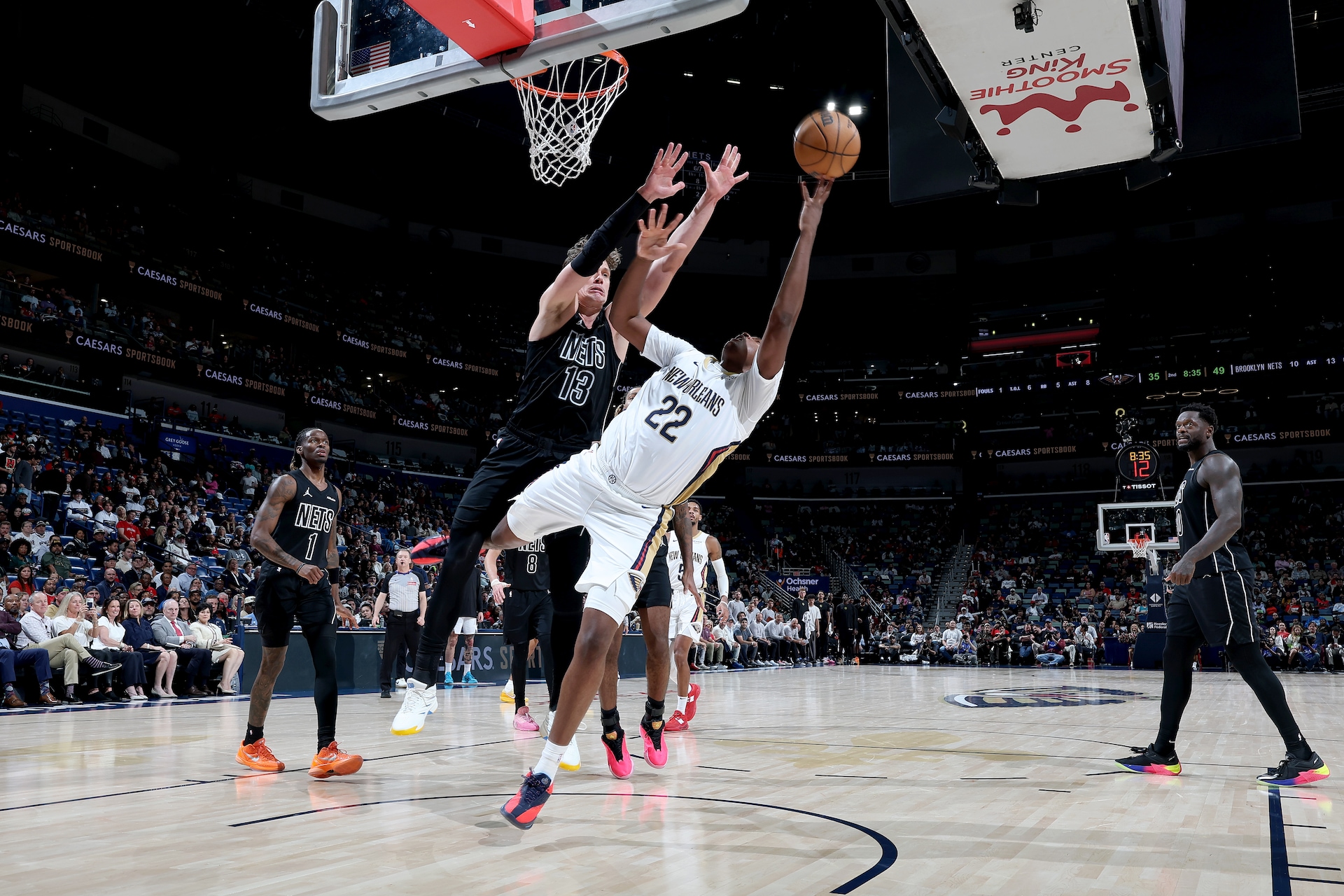
The calendar offers the Pelicans little space to dwell on their two blowouts. Memphis visits New Orleans on Friday, November 13, for a West Group B NBA Cup meeting. It is already a consequential group game because both sides began pool play 0-1. The Pelicans also have a recent reminder that this opponent can produce a very different kind of night: they edged the Grizzlies 135-134 in overtime in Memphis on November 3. A one-point win and a pair of recent blowout defeats do not describe the same competitive level, which makes the upcoming rematch an unusually revealing test.
The most productive response would be visible even if New Orleans did not win. The Pelicans can start by preventing the opponent from reaching the paint uncontested, making the first rotation on time and ensuring each rebound ends with possession instead of another chance. They can reduce live-ball giveaways and force contested attempts without sacrificing every perimeter shooter. Those are measurable tasks. They are also much fairer standards than demanding that every Memphis shot miss or that Williamson single-handedly rescue a defense stretching across the entire lineup.
Personnel availability complicates the immediate response. Trey Murphy III missed the Brooklyn and Golden State games with a knee problem, removing size, mobility and another major scoring option from the available group. Yves Missi has also dealt with an injury, adding to the frontcourt strain. Neither absence alone explains why a team surrendered 145, but a shorter, altered rotation can make defensive communication tougher. The healthy players still have to make the coverages work. The coaching staff's decisions about combinations, help responsibilities and which younger players share the floor deserve the same close examination as individual effort.
Williamson's 29 points against the Nets are a reminder that New Orleans can have a functioning inside scoring threat even on a terrible night. To convert that into competitive basketball, the group needs to earn stops that let it run purposeful offense rather than constantly chasing a 15- or 20-point margin. It also needs to avoid the opposite trap: pressing too hard for spectacular steals or difficult hero shots because a game is slipping away. Those reactions can magnify a bad stretch. Consistency in less glamorous possessions is likely to matter more than one emphatic dunk or a sudden three-pointer.
The stakes are as much about direction as a tournament result. After a 4-4 recovery, the Pelicans were back at 4-8 and on another four-game losing streak. Friday's game should reveal whether the team's conversation became a concrete plan: cleaner transitions, reliable coverage calls, fewer easy threes and a renewed habit of helping one another without losing assignments. A single result cannot certify a defensive turnaround, and injuries will still affect the rotation. But another breakdown of the same kind would make the mirror metaphor harder to dismiss as postgame frustration rather than a diagnosis the organization has to address.
There is a significant difference between publicly accepting responsibility and creating a defense teammates can trust. Zion Williamson has already taken the first step by making the standard collective, not personal. Now New Orleans has to demonstrate the second step through on-court decisions: arrive on time, protect the basket, contest without losing the shooter and finish the possession.
Brooklyn's 145 points were too many to explain away as one exceptional night, especially after the Warriors scored 138 and the Clippers 139 in the preceding games. The Pelicans have enough scoring ability to make individual highlights, including 29 from Williamson in the latest defeat. What they lack at this stage is evidence that defensive discipline survives an entire game. Friday's Memphis rematch provides the next opportunity to supply it—not a verdict on the season, but a first chance to show that the mirror conversation led somewhere.
GOATIFY
GOATIFY Basketball
Shop GOATIFY basketball shirts, hoodies and stickers.


Ja Morant Gun Suspension Memphis Grizzlies NBA Tee
A basketball fan design for everyday wear.
Shop Now ↗
Ja Morant G.O.A.T. - Basketball - Memphis Hoodie
A basketball fan design for everyday wear.
Shop Now ↗
Ja Morant Gun Suspension Memphis Grizzlies NBA Sticker
Add basketball personality to your favourite gear.
Shop Now ↗
Victor Wembanyama Alien Wemby NBA Basketball Mug
Add basketball personality to your coffee break.
Shop Now ↗



















