Paro Gave Haney 24 Hours. Their December Fight Is in Limbo.
GOATIFYWith less than four weeks until a two-belt welterweight showdown, the biggest obstacle to Devin Haney versus Liam Paro is not a rival promoter, an injury or a dispute over who walks to the ring last. Paro's camp says it is still waiting for Haney to enroll in the Voluntary Anti-Doping Association testing arrangement that the fighters negotiated for their December 19 meeting. The Australian's promoter has issued a 24-hour warning. That is a serious development for a fight already announced for San Francisco's Chase Center, but it is not the same thing as an official cancellation.
Haney has pushed back publicly, citing a long record of VADA testing and saying this matchup would be his fourteenth consecutive fight using the program. Paro wants a different kind of reassurance: confirmation that the testing process for this particular camp has actually started. Both statements can be true at the same time. Prior participation establishes experience with an agency; it does not establish the current registration date.
The dispute arrives after an energetic November 10 launch press conference at which both champions carried their belts, spoke of their sparring history and promised to settle the rivalry inside the ropes. In the space of days, the conversation has shifted from boxing skill to the paperwork that makes a high-profile championship bout acceptable to both corners. Here's what is confirmed, why the timing matters, and what still has to happen before fans can be confident the fight goes ahead.
The 24-Hour Warning Is About Enrollment, Not a Failed Test
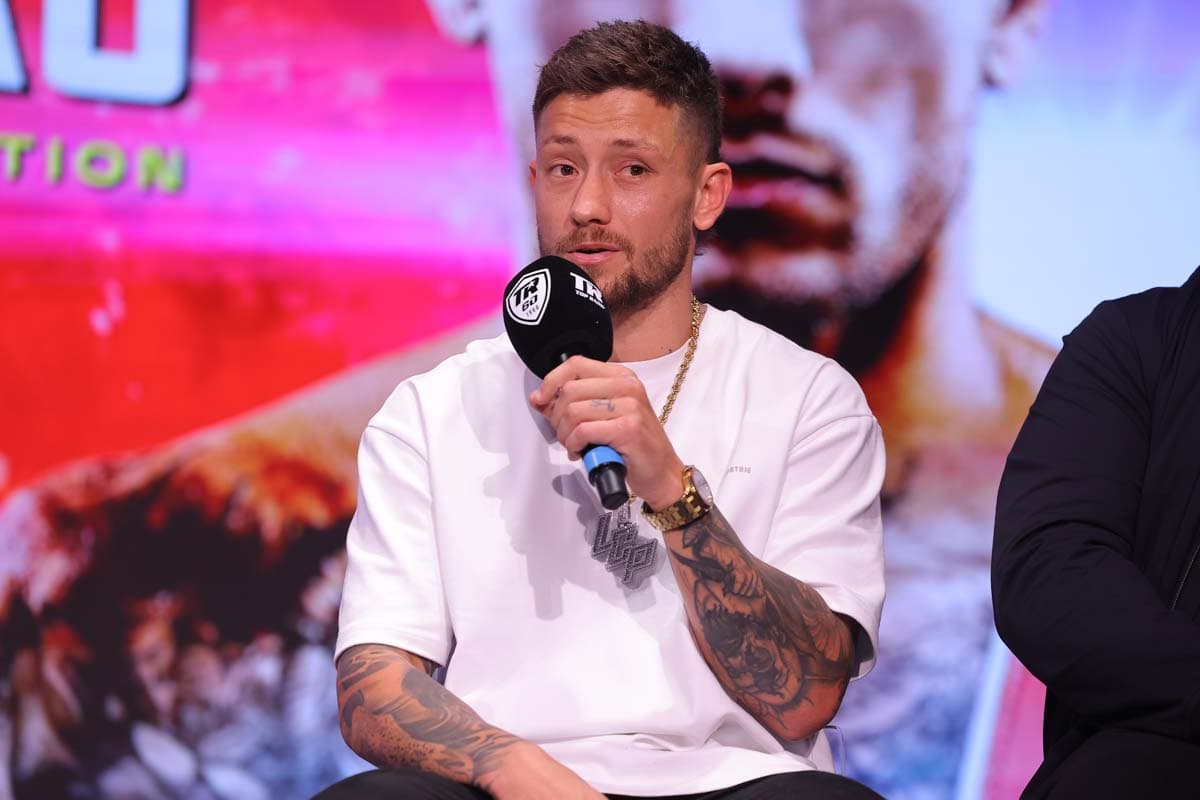
Paro's promoter, Matt Rose of No Limit Boxing, has put a concrete demand into the public record: Haney's camp must enroll in VADA testing within the period Rose has specified or risk Paro's withdrawal. Reporting on November 22 quotes a No Limit representative saying the provision was part of the original negotiations. That is a claim about their fight agreement from one side of the contract, not an independently published copy of the clause. For now, there is no public document confirming its exact language, the remedy for a missed deadline, or the precise hour at which the clock expires.
That distinction is not pedantic. A promoter can insist a bout is at risk while the event remains commercially scheduled. A boxer can threaten to walk away without having formally withdrawn. A contractual disagreement can be resolved by rapid paperwork, documented enrollment or further negotiation. Using the phrase 'the fight is off' before any of those outcomes is verified would convert a live negotiation into a fictitious result. The present news is the ultimatum and the absence of publicly confirmed enrollment at the reporting cutoff.
Paro made the matter public by asking on social media why an opponent outspoken about clean competition had not yet agreed to initiate the testing program. It was a pointed challenge, because boxing audiences understand the difference between an athlete promising to be tested and the independently administered collection process actually operating. This is a sport in which a single disputed drug-testing incident can dominate a fighter's career narrative long after the official result has been amended.
Testing is also unusually sensitive to timing. The fewer weeks available before fight night, the shorter the window in which an independent program can administer out-of-competition collections. The value of the program does not hinge only on whether the final sample is negative. It also depends on an enforceable process, availability for testing and enough time for the agreed surveillance to mean something. Starting late may still satisfy the contract if both camps accept it, but lost calendar days cannot be retroactively sampled.
GOATIFY
GOATIFY Boxing
Big fights deserve clear rules before the first bell. Discover GOATIFY Boxing gear for championship nights.


It is equally important not to turn a dispute about enrollment into an allegation that Haney has produced a positive sample. No such test result is established by the reports of this standoff. Paro's position concerns whether a testing arrangement has been activated for this fight; a failed drug test is a separate factual claim requiring evidence that has not been supplied. The fair way to describe the situation is straightforward: one side says the necessary step is outstanding, the other points to its historical record, and independent confirmation of this camp's enrollment remains the missing piece.
The next informative update would not be another angry post or hypothetical replacement opponent. It would be a verifiable acknowledgment of the testing arrangement and an indication that the December 19 bout remains agreed on both sides. Until that arrives, the promoter's deadline creates legitimate uncertainty without proving the worst-case outcome.
Haney's Testing History Does Not Answer This Camp's Question
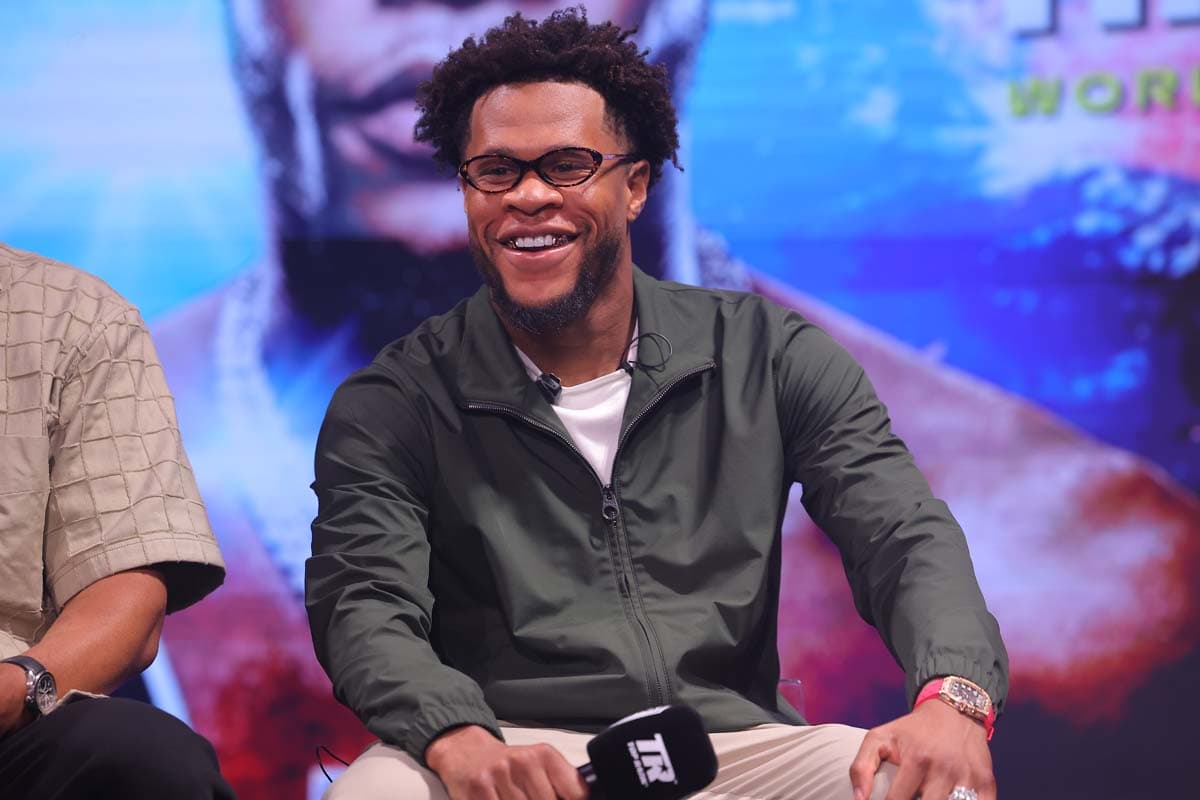
Haney's reply deserves to be read in its own terms. He has said he has taken more than 65 clean VADA tests and that meeting Paro would be his fourteenth successive fight using the agency. Those are Haney's stated figures, not an independently audited list presented alongside the new dispute. They do, however, make an obvious rhetorical point: he does not regard VADA as a new or unfamiliar demand, and he rejects any suggestion that he has an objection to testing as a general principle.
Yet there are two separate questions underneath those claims. Has Haney used VADA regularly in earlier training camps? And is he enrolled, available and compliant under the precise conditions negotiated for the Paro bout? The first question does not answer the second. Anyone who has completed many routine medical screenings knows that earlier compliance cannot substitute for the form due today. A fighter can have a strong historical record and still face a real administrative dispute over the current agreement.
The confrontation is especially charged because Haney was on the other side of a major boxing drug-testing controversy after his April 2024 contest with Ryan Garcia. That bout's original result was subsequently changed to a no-contest following Garcia's positive test for ostarine and regulatory action. Those events help explain why Haney emphasizes clean-test history, and why another fight in his orbit can attract intense attention when testing is mentioned. They do not establish any violation by Haney in 2026; conflating the situations would be unfair to the athletes and misleading to readers.
There is also a commercial and psychological dimension. Paro is preparing to travel from Australia to face a skilled champion on American soil. If his team believes a testing term was agreed from the outset, waiting until the final month can feel like conceding control over an essential condition of the event. Haney's camp may view public pressure as unnecessary when they intend to complete the process anyway. Both interpretations are plausible, but they are not substitutes for the paperwork itself.
For fans trying to evaluate the controversy, the strongest evidence will be boring. An enrollment acknowledgment, a dated statement from the testing agency or the camps, and a clear agreement about when collections begin would establish much more than viral back-and-forth. No one needs a fighter's confidential medical data or sample history published in full to establish that the negotiated testing program is active. The simple status of the arrangement would resolve the main question.
GOATIFY
GOATIFY Boxing
Testing questions should be answered with evidence—not speculation. Bring the same focus to your boxing fandom.
This is why the precise wording of the criticism matters. 'Haney has not publicly confirmed enrolling for this fight' describes the concern reporters have identified. 'Haney failed a drug test' would describe something entirely different and unsupported. Boxing has enough genuine controversies without manufacturing one through a collapsed distinction.
Two Belts, a Homecoming and a Date Already Announced
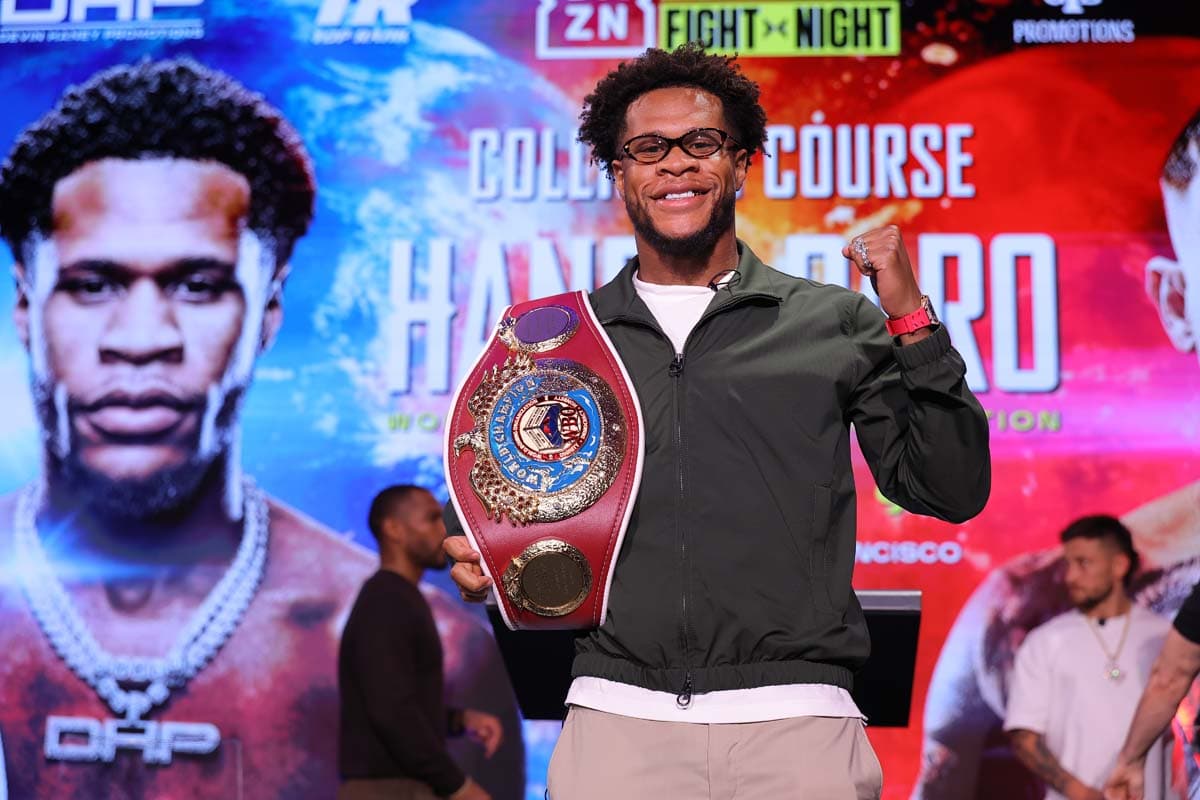
The fight at stake is not a disposable late-December television slot. Haney holds the WBO welterweight championship and Paro holds the IBF title, making their meeting a chance for one fighter to walk away with two major belts. Haney is a three-division champion whose professional record was announced as 33 wins without an official defeat, plus one no-contest, when the event was unveiled. Paro arrived with a 28-1 record after defeating Lewis Crocker for the IBF welterweight title in June. The winner would have considerably more leverage in the division.
The setting adds to the cost of any collapse. Chase Center is in the Bay Area, where Haney has deep roots, and the venue was also the site of his December 2023 victory over Regis Prograis. Top Rank and the associated promoters presented the December 19 card as a homecoming with DAZN pay-per-view coverage. Brian Norman Jr., whose title Haney won in November 2025, was announced to face Abel Ramos in a separate welterweight contest on the same show. Uncertainty around the main event affects a substantial sporting and promotional package, not just one pair of gloves.
There is a personal boxing story here as well. Haney and Paro shared rounds in the gym years ago, before their current championship statuses. At the announcement, both spoke about that history while insisting that professional fight night would be a different test. Haney argued that he operates at another level from Paro's previous opponents. Paro responded by noting how much he had developed since their sparring sessions and refusing the notion that history automatically determines the result.
Stylistically, that is the matchup fans wanted to see. Haney's feet, jab and distance management can make opponents chase a moving target across twelve rounds. Paro has shown that he can take difficult assignments away from home and sustain a disciplined tactical approach, not merely compete on bravado. A championship unification between fighters who know one another from training also contains an element of uncertainty: familiarity may sharpen anticipation, but it does not freeze either athlete at the level he was years earlier.
The dates leave little room for complacency. November 22 is 27 days before December 19. Even a relatively quick resolution has to be folded into training camps, international travel, media commitments and the shared understanding of how testing works. Boxing events often survive disputes over terms and logistics. They become harder to repair when neither side can agree on the facts of compliance close to fight week.
That commercial pressure explains why both parties have a strong incentive to solve the problem. Haney has a marquee title defense and a local audience to address; Paro has a chance at another belt and a career-defining win; broadcasters and fans have already been sold a specific matchup. None of those incentives excuses ignoring a genuine agreed testing condition, but each raises the value of a prompt, verifiable settlement.
GOATIFY
GOATIFY Boxing
Two welterweight belts are on the table. Explore GOATIFY Boxing apparel for title-fight nights.
What Would Actually Put Haney–Paro Back on Track?
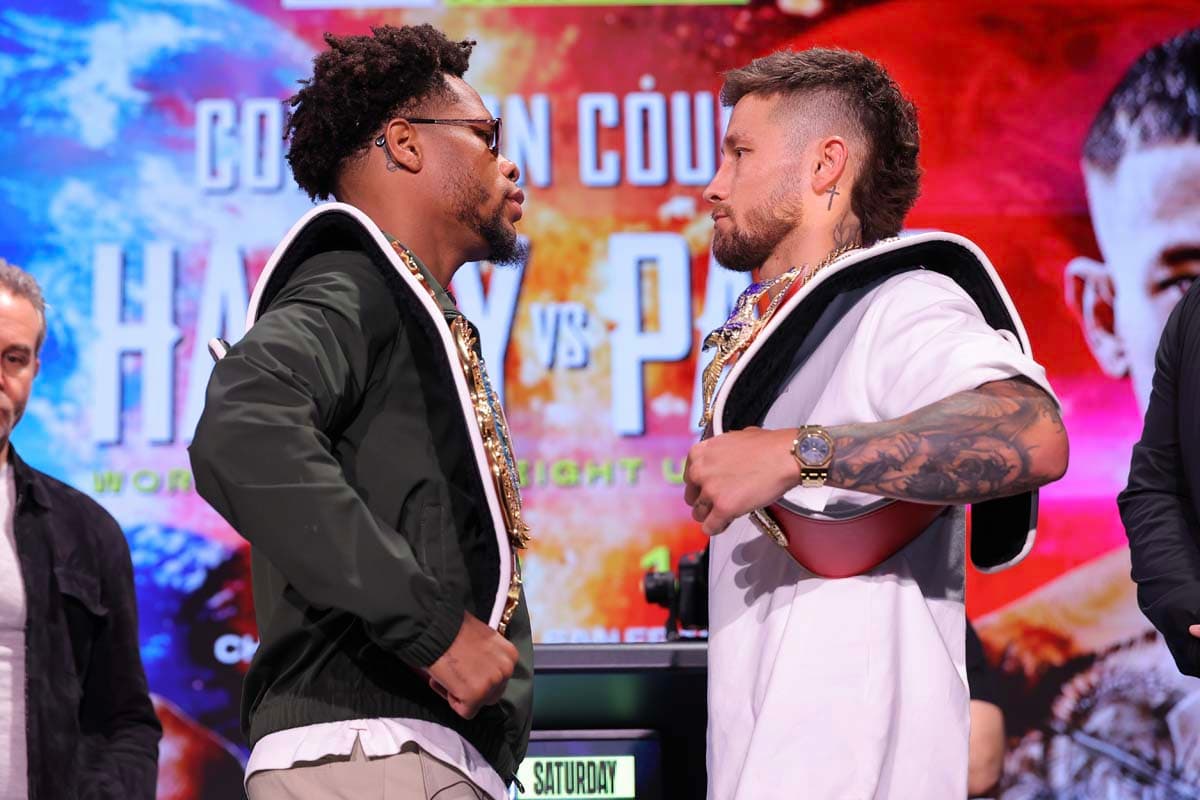
The obvious first step is for Haney's team and the testing organization to clarify whether enrollment for this matchup is complete. A bare promise to undergo testing eventually would not establish whether the current arrangement satisfies the term Paro's camp says was negotiated. Conversely, a dated acknowledgment showing that the agreed VADA process is active might rapidly remove the underlying complaint. It should not require another round of name-calling to communicate that status.
Second, both promotions need to agree on what the warning means. A 24-hour public deadline is clear as a negotiating tactic, but its legal consequences depend on the contract and any subsequent agreement. If there is a dispute over timing, notice, payment or administration, those are specific matters for the parties to settle. Fans can reasonably ask for a clear event-status update without pretending to know the unseen contractual clauses.
Third, the camps should keep the actual sporting decision separate from the public exchange. There may be competitive reasons each boxer wants the fight badly. Haney can defend his WBO title before home supporters and demonstrate the evolution of his approach after a long layoff. Paro can challenge an undefeated multi-division champion, aiming to combine the IBF and WBO titles. Neither side benefits from a vague period in which ticket buyers wonder whether the announced headliner still exists.
If the arrangement is confirmed, the conversation can return to the tactics. Can Paro close the space without following Haney into unproductive exchanges? Can Haney dictate the pace against a southpaw who arrives confident in his timing and conditioning? How much do old sparring rounds really reveal when both fighters have changed? Those are the kinds of questions that make the proposed contest an attractive championship fight. Administrative uncertainty is a bad substitute for answering them in the ring.
If the dispute is not resolved, a withdrawal would require fresh event planning and a new accounting of what becomes of the unification. That remains a scenario, not a reported conclusion. There is no confirmed replacement opponent in the November 22 reporting, and assigning one now would amount to creating news rather than covering it. The co-feature and any other announced bouts should not be misrepresented as a replacement main event without an official announcement.
For now the most accurate headline is also the least sensational: Paro's side has given Haney a deadline to document a testing arrangement, and the December 19 fight faces a real question mark. Haney says he has a long clean-testing history and expects VADA to be involved. Those statements leave an unresolved issue about this camp, not a verdict about banned substances, guilt or innocence. The sport needs a dated answer on enrollment far more than it needs another round of accusations.
The clock matters because December 19 is close, but the central distinction is simple. Paro's representatives say a negotiated VADA enrollment condition has not been met. Haney points to extensive prior testing and says this fight will also use the program. As of the November 22 reports, neither a confirmed resolution nor an official cancellation has been established.
That leaves one useful test for the days ahead: does the disputed enrollment get documented and do both corners reaffirm the same championship fight? If so, Haney and Paro can return to preparing for a genuine welterweight unification. If not, promoters will need to explain the consequences. The two belts, the San Francisco date and the audience deserve a clear status update—not an assumption that a public ultimatum has already decided the result.
GOATIFY
GOATIFY Boxing
Shop GOATIFY boxing shirts, hoodies and stickers.