

The Giants Are Listening on Webb. The Price Should Still Be Huge.
GOATIFYLogan Webb has become the rare San Francisco Giants pitcher whose name usually ends a trade conversation rather than starts one. This November, that distinction looks less absolute. Rival executives say the Giants are willing to hear offers for their longtime rotation leader, opening a question that Buster Posey's front office had effectively closed before the 2026 deadline.
Listening does not mean shopping. It certainly does not mean a trade has been agreed, or that the Giants have decided to dismantle the roster. But the shift matters because Webb occupies an unusual place in baseball's winter market: an established 30-year-old starter with a history of taking the ball every fifth day, two seasons of contractual control and a price tag well below what an ace might demand in a new free-agent deal.
The decision is not simply whether San Francisco can receive an impressive prospect package. It is whether that package makes the Giants better during the next competitive window than keeping their most dependable pitcher would. In a winter when expensive free agents have been drawing headlines, Webb may be the most interesting test of what clubs actually value: reputation, underlying performance, contract certainty, or the chance to acquire a cornerstone without guaranteeing nine years of salary.
Why San Francisco Is Suddenly Willing to Listen
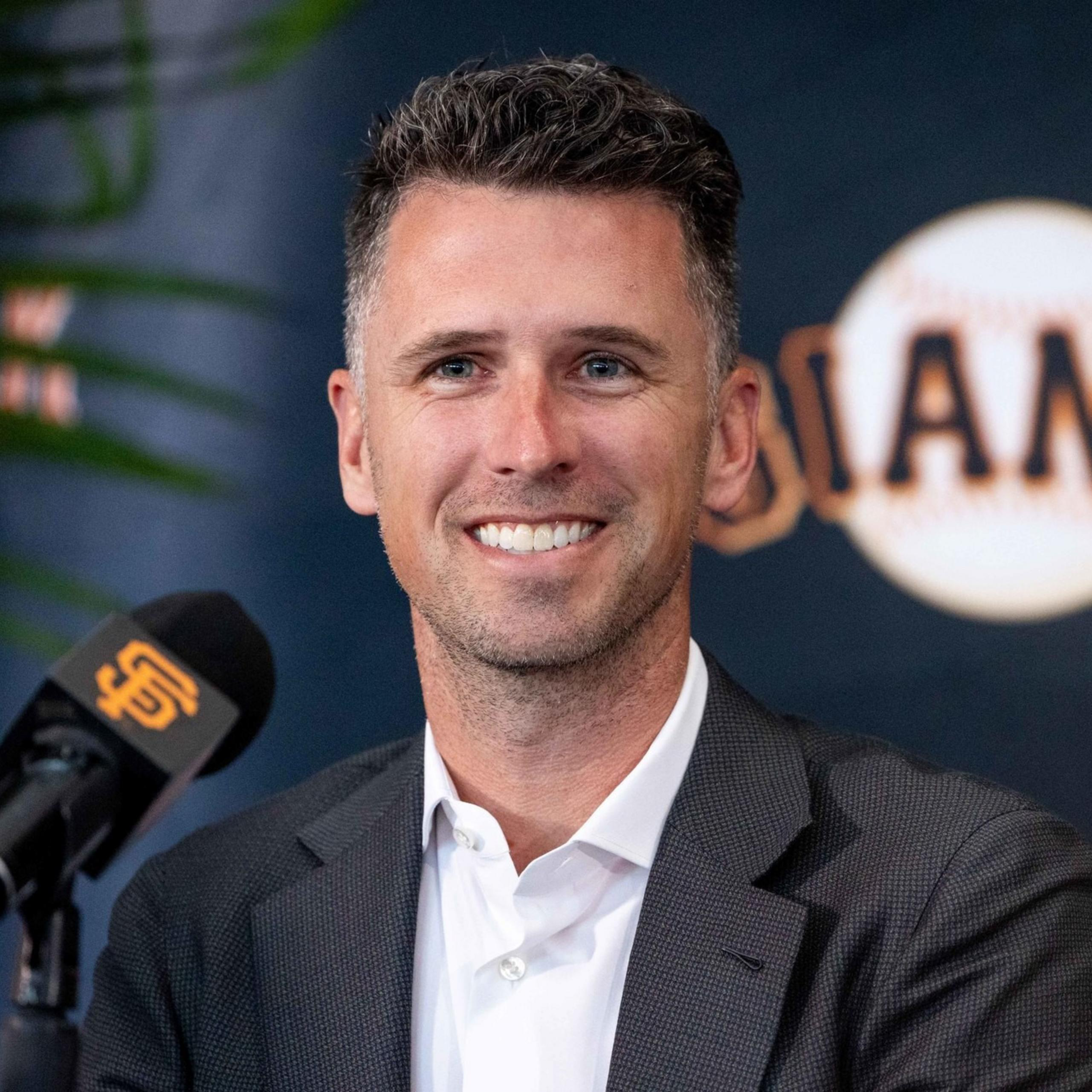
The first important distinction is the difference between hearing an offer and inviting a bidding war. San Francisco can let other general managers explain how far they would go without making any commitment to move Webb. Executives do that every offseason. What makes this newsworthy is the contrast with the club's position earlier in 2026, when Webb was treated as an off-limits piece even as the Giants considered changes elsewhere.
Posey has a legitimate reason to be cautious. He inherited the sort of roster-building problem that is difficult to fix through one transaction. Established veterans are already under contract; a potential improvement in the pitching staff will not by itself solve the lineup, bullpen and depth questions exposed over a difficult 2026 season. After a 97-loss campaign, the club must decide whether the next two years are a genuine push for the postseason or an opportunity to develop a stronger, younger core.
Keeping Webb says San Francisco believes the window can open before his current deal ends after 2028. Trading him says the Giants either doubt that timetable or believe a large return could move the timetable forward. Neither message should be reduced to a single word such as rebuild. Teams can reshape their talent base and still sign veterans, and they can keep a star while admitting the current roster is not close enough.
That is why the new willingness to listen should not be mistaken for a final verdict on Posey's strategy. He could reach the end of this process with Webb still in orange and black, a better understanding of how rivals value his pitcher and more confidence about which prospects would be available in a future negotiation. The information has value even if no deal follows.
There is also a baseball reason to avoid treating an ace as a conventional financial asset. A team preparing to introduce younger starters needs reliable innings from someone who has seen the league adjust to him repeatedly. Webb's ability to lead a rotation, manage contact and work deep into games affects the workload of the bullpen and the development environment for every pitcher behind him. That contribution is harder to replicate than a neat forecast of wins above replacement.
GOATIFY
GOATIFY Baseball
Explore the GOATIFY Baseball collection while considering the Giants' next roster move.

White Baseball GOAT Sticker
A white baseball GOAT decal for your bottle, laptop or game-day gear.
Shop Now ↗
Gold Baseball GOAT Dad Hat
A gold baseball GOAT design for ballpark days and everyday fan style.
Shop Now ↗


San Francisco's balancing act is therefore unusually public: the same player can be an essential veteran and its most valuable source of future talent. Posey's challenge is to distinguish an offer that sounds exciting on a prospect ranking from one that actually solves a set of organizational problems. Unless that second kind arrives, the Giants have little incentive to act merely because the rumor is now out in the open.
Webb's 4.31 ERA Does Not Tell the Whole Story

The most convenient argument for trading Webb is a glance at his latest earned-run average. His 4.31 ERA over 160⅔ innings in 2026 was a clear retreat from the standards that made him a franchise fixture. He spent time on the injured list because of right knee bursitis and a blister on his right middle finger. For a pitcher approaching his early thirties, both missed time and reduced results belong in any serious projection.
They do not erase the larger body of evidence. Across the previous five seasons Webb led Major League Baseball in innings with 980⅔, pairing that workload with a 3.40 ERA, 3.02 fielding-independent pitching mark and 1.17 WHIP. He finished inside the top six of National League Cy Young voting three times, including second place in 2023. Those are not one-season flashes or the statistical residue of a carefully sheltered fifth starter. They describe someone who has repeatedly been trusted with an ace's responsibility.
The contact profile matters just as much as the surface results. Webb's low walk rate remained a strength in 2026, ranking in the 89th percentile. His ability to avoid barrels also stayed comparatively strong, reaching the 81st percentile. He has recorded ground-ball rates above 50 percent for seven consecutive seasons. A pitcher who gets grounders, keeps runners off base via walks and forces opponents to build sustained rallies offers a different risk profile from a high-velocity strikeout specialist whose results depend heavily on swing-and-miss dominance.
Of course, being a ground-ball pitcher creates dependencies. Infield positioning, defensive range and the quality of contact that slips through all influence what appears on the scoreboard. There is no guarantee that a change of scenery automatically restores the best version of Webb, especially if injury-related interruptions remain a concern. Any club interested in him would need to study his physical condition, pitch movement, location and usage patterns, not merely recite the most flattering five-year averages.
There is a market advantage to this uncertainty for buyers. An imperfect 2026 season may make Webb available at all, while his long-term history gives a contender reasons to believe the regression was not permanent. There is an equal danger for the Giants: selling after a down year risks accepting a price based on the weakest recent evidence for a pitcher whose highest value comes from multi-season consistency. The front office has to decide whether 2026 represents a new baseline or a disrupted year within a much more durable career.
Webb's role in the Giants' identity also should not be mistaken for an argument that sentiment always wins. His attachment to the organization, which drafted the Northern California native in 2014, is real. But if the club's best estimate is that his prime seasons will arrive before the rest of the roster is ready, retaining him solely because he is familiar would have an opportunity cost. The harder question is whether San Francisco can replace his innings and get better elsewhere quickly enough for a deal to be worthwhile.
GOATIFY
GOATIFY Baseball
From ace starters to the toughest innings, bring baseball energy to your everyday gear.


White Baseball GOAT Dad Hat
A white baseball GOAT design for ballpark days and everyday fan style.
Shop Now ↗
Gold Baseball GOAT Sticker
A gold baseball GOAT decal for your bottle, laptop or game-day gear.
Shop Now ↗

White Baseball GOAT Sweatshirt
Rep baseball’s greatest with a white GOAT graphic sweatshirt.
Shop Now ↗
Two Years and $47 Million Change the Trade Math
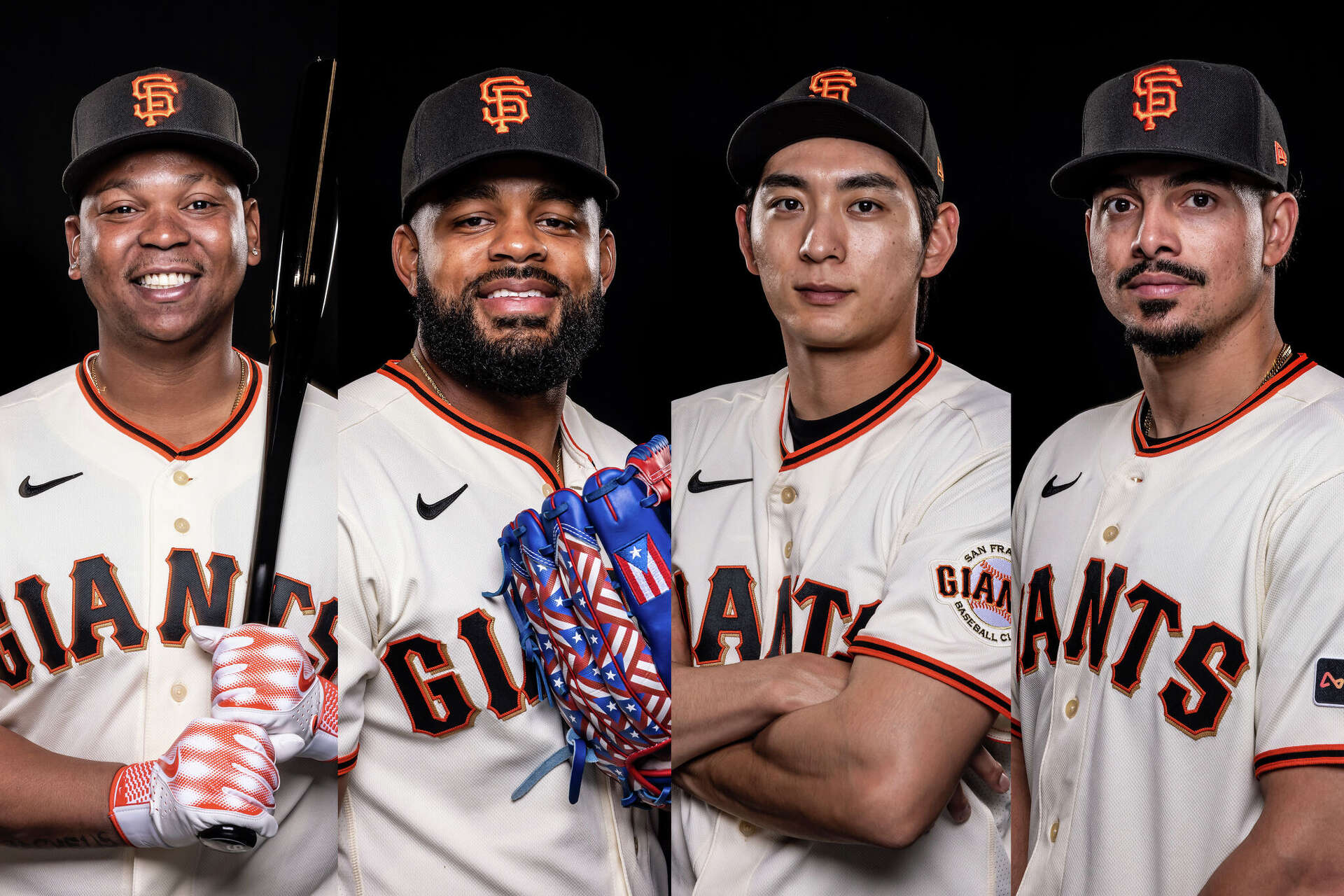
Webb is working through the five-year, $90 million extension he signed with the Giants, with approximately $47 million owed across 2027 and 2028. That means an acquiring team would not be committing to the sort of decade-long contract being discussed for elite free agents. It would be receiving two seasons of known contractual control and, if all goes well, the opportunity to negotiate another agreement later.
That combination changes the economics of a trade. A free agent costs money and, depending on the player's status, potentially a draft-related penalty, but not a package of prized prospects. Webb would cost a substantial player return as well as his remaining salary. The comparison is therefore not a simple equation of his average annual salary against another pitcher's salary. Front offices have to put a value on each young player's future, the probability those players contribute in the majors and the flexibility that disappears if they are sent away.
Timing is another variable. The market for frontline starting pitching is already highly competitive. The Mets have reportedly discussed an enormous offer for Tarik Skubal; that report is not evidence that a contract has been finalized. Freddy Peralta has also generated significant interest after his strong finish to 2026. A club missing on either option could view Webb as its most credible alternate route to a dependable rotation anchor. Such clubs might eventually bid more aggressively, but the Giants cannot assume desperation will produce an offer they would accept.
Some organizations would prefer to pay a free agent a premium and keep their prospects, especially if their farm system has a few high-end position players approaching the majors. Others have payroll flexibility and a deep pipeline, making a trade more realistic. The logic changes yet again for a club aiming at a short championship window: two controlled seasons of Webb might align almost perfectly with that timetable. The same player can carry very different value depending on where the acquiring team sits in its competitive cycle.
For San Francisco, cash savings are not enough by themselves to explain a potential deal. The roster already includes expensive commitments and familiar veterans such as Rafael Devers, Willy Adames and Matt Chapman. Removing Webb's salary would provide room for other moves, but the club would also have to purchase or develop the innings he no longer supplies. If those replacement innings cost almost as much and deliver much less, the supposed financial flexibility is partly an illusion.
That is why the return should be judged against both the near-term roster and the long-term development pipeline. A young pitcher with multiple remaining years of control is particularly appealing if the Giants believe he can become an everyday part of the rotation by 2028. An impact position prospect offers a different solution, potentially improving a lineup that needs sustainable production. Neither profile is automatically better. The best offer is the one that addresses San Francisco's actual constraints instead of simply maximizing the number of names in a transaction.
The Price Must Be Bigger Than a Headline Package
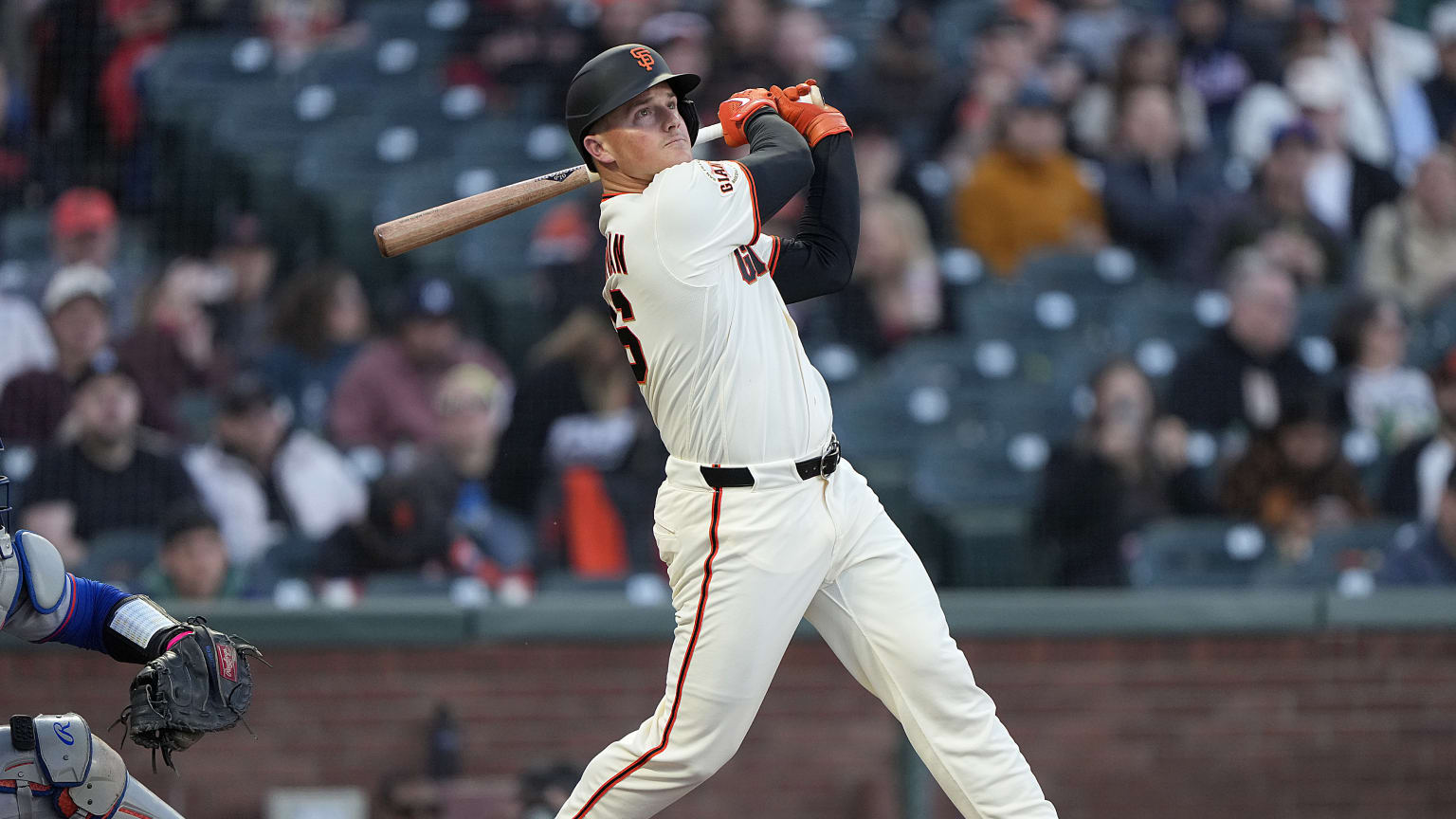
A competitive market does not mean every interested team has a plausible offer. The first filter is a club's need for a top-of-the-rotation starter. The second is its willingness to part with prospects talented enough to make San Francisco reconsider keeping Webb. The third is the club's confidence that a two-year commitment, rather than a longer-term free-agent agreement, fits its plans. A team can clear the first test and fail the other two without ever getting close to a trade.
GOATIFY
GOATIFY Baseball
Discover baseball fan shirts, caps and stickers as the offseason market takes shape.


Gold Baseball GOAT Sweatshirt
Rep baseball’s greatest with a gold GOAT graphic sweatshirt.
Shop Now ↗White Baseball GOAT Sticker
A white baseball GOAT decal for your bottle, laptop or game-day gear.
Shop Now ↗

Contenders with questions in their rotations naturally belong in the discussion. A team such as the Cubs, Braves or Mets could assess the idea, but that is analysis of roster fit, not confirmation that any of them has made a formal offer. It would be careless to turn a general report that San Francisco is hearing offers into a list of negotiated deals. Until a club is credibly connected to a proposal, it is a hypothetical buyer, not an active bidder.
The Giants should think beyond the spectacle of acquiring one highly ranked prospect. Baseball's prospect lists are snapshots, and even top minor-league talents carry a considerable risk of not becoming the players their scouting grades suggest. A package centered on one exceptional player plus useful secondary pieces can look very different from a collection of four players with limited paths to major-league impact. The quantity of names is the least important number on the page.
The development calendar is equally important. If San Francisco wants to contend again by 2028, prospects who are two or three seasons away do not necessarily solve the same problem as players already handling upper-minors competition. Moving Webb for very distant talent might make strategic sense under a longer rebuilding plan, but then management would need to explain how that plan fits with the veterans still under contract. Fans deserve an internally consistent direction, even if the exact trade discussions remain private.
There is also an option that does not require a winter deal at all: retain Webb for the start of 2027, evaluate the team's trajectory and revisit the market only if events support it. That route keeps an ace in place but involves risks of its own. A further injury or reduced performance could weaken his value; one less half-season of control would also change the calculation. Waiting is not always safer, and trading now is not always more decisive.
Posey's front office can use this winter to establish an honest reserve price. If a rival offers the sort of long-term impact that materially shortens San Francisco's path back to contention, moving Webb becomes defensible even to fans who want him to finish his prime with the Giants. If the offers fall short, the organization should be prepared to say no. The best negotiator is not the executive who generates the loudest rumors; it is the one willing to keep a valuable player when the baseball return is inadequate.
Webb's situation is therefore a test of discipline on both sides. A buyer must resist paying for a perfect version of a pitcher whose last season included real setbacks. A seller must resist taking an imperfect offer merely because the possibility of a trade has become public. Both clubs can be right to hold their ground, and sometimes the most productive rumor is the one that ends with everybody understanding the price better than they did before.
The Giants' reported willingness to hear Logan Webb offers is important because it reopens a strategic question, not because it announces a deal. Webb's value rests on a rare combination of durable innings, ground-ball skill and two seasons of affordable control. The health disruptions and 4.31 ERA of 2026 are genuine concerns, but neither is a substitute for evaluating his much longer record.
San Francisco should require a return that improves its odds of building a genuine contender, not a return that merely looks impressive when arranged as a list of prospects. If another club clears that bar, parting with a longtime ace could be rational. Until then, Webb remains the Giants' pitcher, and the smartest move may be to listen closely without saying yes.
GOATIFY
GOATIFY Baseball
Shop GOATIFY baseball shirts, hoodies and stickers.

White Baseball GOAT Dad Hat
A white baseball GOAT design for ballpark days and everyday fan style.
Shop Now ↗Gold Baseball GOAT Sweatshirt
Rep baseball’s greatest with a gold GOAT graphic sweatshirt.
Shop Now ↗





















