Câmara Leads F2 by Seven. Haas Chose His F1 Future Instead.
GOATIFYHaas has chosen the future over an almost finished championship. Rafael Câmara, the Brazilian who leads the 2026 Formula 2 standings, will race for the Formula 1 team in Qatar and Abu Dhabi instead of returning to the junior series for its deciding weekends. The November 22 confirmation answers a question that had lingered since his unexpected Formula 1 debut: would Haas send its 2027 signing back to defend a title lead, or keep him in the cockpit he will occupy full-time next year?
The decision is unusually costly in sporting terms. Câmara sits seven points ahead of Nikola Tsolov in Formula 2, with Alex Dunne a further eleven points behind the Brazilian's total. He has not been eliminated from the mathematical championship by a result on track. He is stepping away from the remaining opportunities to score. His rivals can now determine how the championship is settled while its previous leader concentrates on learning a different car, a different paddock and a different competitive rhythm.
That makes this more than another young driver getting two extra substitute outings. Haas is effectively treating November as the beginning of 2027 preparation. The final races come after a wet and difficult debut in São Paulo and a 16th-place finish in Las Vegas, where contact from Sergio Perez interrupted his second Grand Prix. Neither result tells the entire story of his adaptation. Both provide a baseline against which Qatar and Abu Dhabi can be judged. The important question is whether the team can turn two additional race weekends into tangible preparation without mistaking short-term results for the sole measure of progress.
A seven-point Formula 2 lead is the price of staying in Formula 1
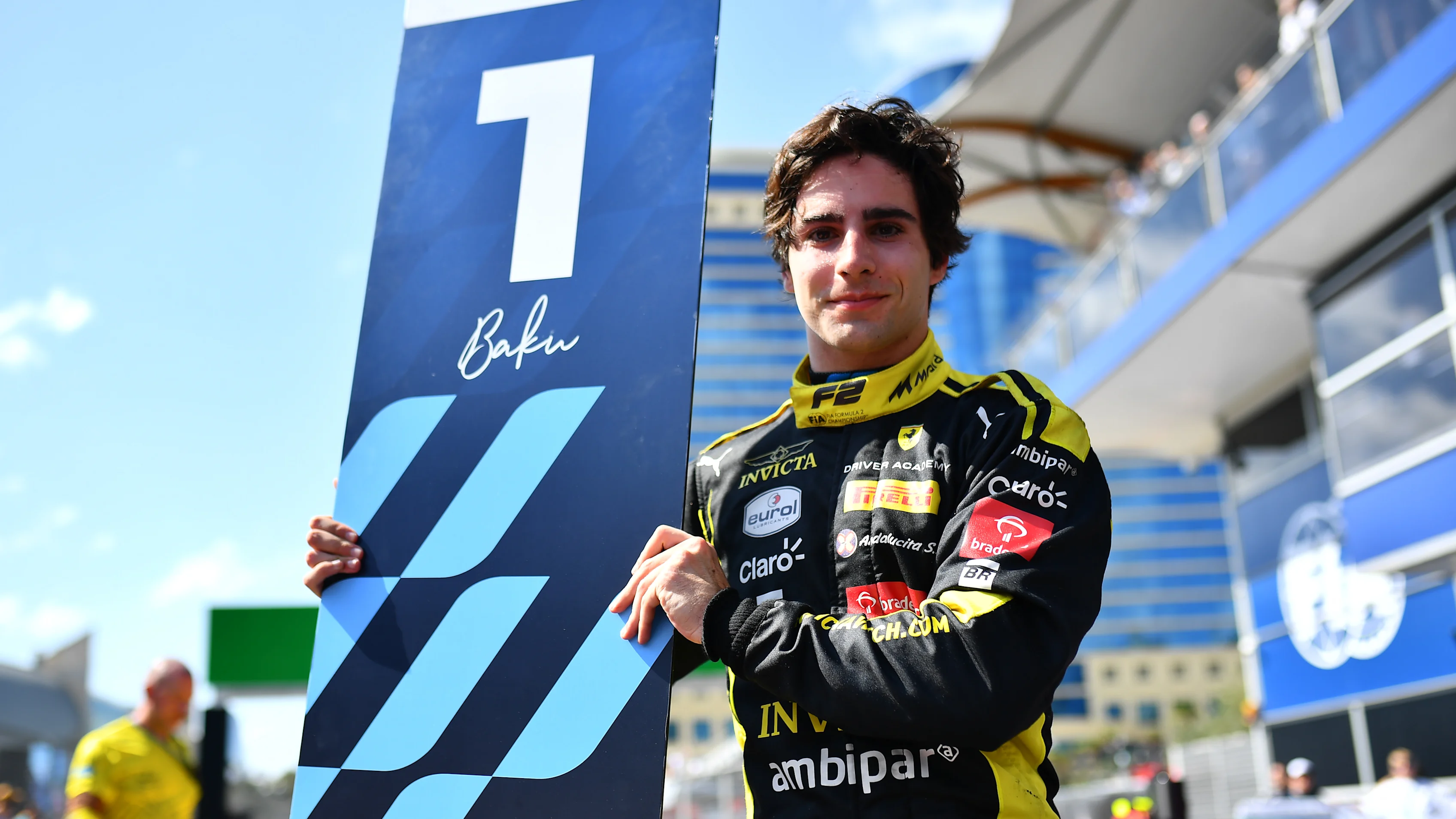
A championship lead is normally the most powerful argument for finishing a season. Câmara has a seven-point advantage over Nikola Tsolov, with Alex Dunne eighteen points behind him, and two Formula 2 weekends left to run. A driver who has spent months building that position would ordinarily insist on being present when the final points are awarded. Instead, the Brazilian will be in a Haas Formula 1 car while Formula 2 races at the same venues. The competition's scheduling and eligibility constraints make a split programme impractical: he cannot simultaneously race in both championships on those weekends.
The distinction between losing a title and relinquishing a chance to defend it matters. The decision does not erase the pace, consistency and racecraft that earned Câmara the lead. Nor does it award his challengers the trophy in advance. Tsolov and Dunne still have to complete their own campaigns, score the points required and withstand the pressure of a suddenly changed title race. What has changed is that the championship leader will not be there to respond. Points accumulated through the summer remain in the standings, but the leader will not add to them at Lusail or Yas Marina.
From a career standpoint, the sacrifice is understandable without being painless. Câmara already has a Formula 1 race seat secured for 2027, so winning the feeder-series championship is not needed to unlock an offer that has already arrived. Extra days in the 2026 Haas may yield lessons that a second season of Formula 2 could not offer: energy management under the current rules, the speed of F1 race operations, tyre preparation, radio communication and the procedure around a full Grand Prix weekend. Those lessons are valuable precisely because they cannot be fully simulated on a smaller car's race calendar.
GOATIFY
GOATIFY Formula 1
Explore GOATIFY F1 fan gear and racing designs alongside the conversation about Câmara's unusual championship choice.


Still, junior categories are not merely stepping stones that become meaningless the moment a driver graduates. A Formula 2 championship would have been an achievement of its own, especially for a driver whose route included European Formula Regional and Formula 3 success. It would have placed a formal result alongside the promise that Haas sees in him. With no opportunity to defend the final races, his 2026 F2 record now has a different ending, one chosen by the practical demands of his future employer rather than a late-season collapse in form.
The decision will also alter how observers talk about the eventual Formula 2 champion. Whoever wins will have earned the points available under the championship's regulations; it would be unfair to diminish that. Yet the absence of the previous points leader will remain a central fact of the story. Haas has accepted that conversation because it values a head start on the next phase more than the possibility of an additional junior-series trophy.
Komatsu is buying familiarity, not promising instant results
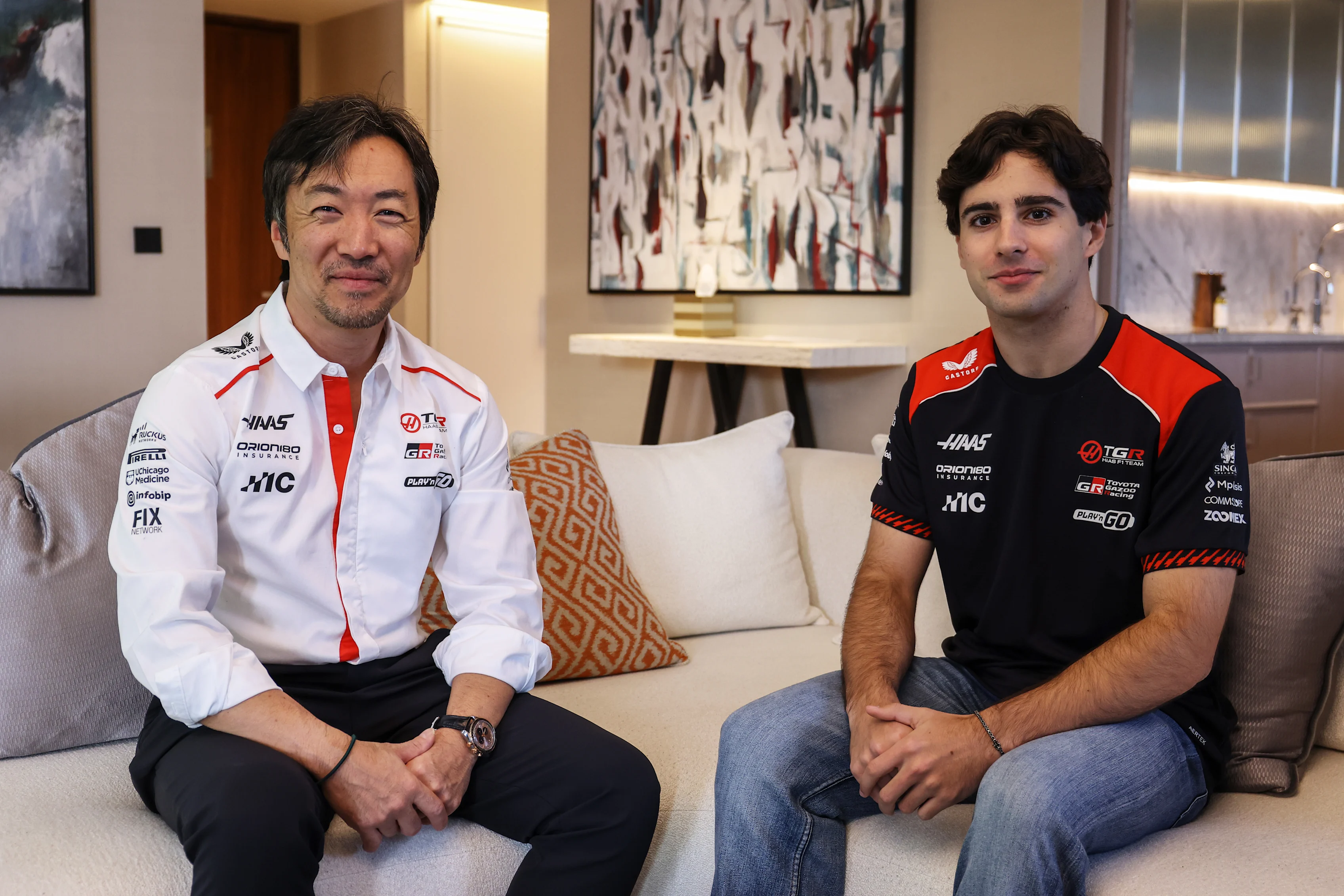
Team principal Ayao Komatsu framed the extension in terms of learning and continuity rather than results. Haas wants to finish the current year with Câmara in the car and carry the accumulated experience into the relatively short break before 2027. That is a different calculation from asking whether the rookie is already ready to fight for points. The benefit may come in finding a better seat position, understanding a braking preference or spotting a recurring communication problem before the new season begins. Each sounds minor on paper; none is minor when a race weekend leaves so little time for correction.
The path into this opportunity was anything but conventional. Esteban Ocon's departure from the team's 2026 race programme brought a midseason change. Reserve driver Ryo Hirakawa took over in Mexico City and scored a point there, before Câmara made his own Formula 1 debut in São Paulo. The team then retained the Brazilian for Las Vegas, leaving an explicit question over the last two races while his Formula 2 obligations remained unresolved. Sunday's announcement settles that remaining uncertainty: the 21-year-old will finish the year at Formula 1 level.
This timeline explains why even four race starts are useful. A driver signed for the next season would usually receive preparation through simulator work, engineering meetings and testing opportunities, then wait for pre-season running in the new car. Câmara is getting something more concrete: an opportunity to work with the race team while the real 2026 campaign is still active. He can see how different circuits stress the equipment and compare an expectation built in the simulator with a result produced at full speed, under traffic and with changing tyres.
The danger is to turn that opportunity into a demand for immediate heroics. A rookie arriving during a difficult season inherits an established machine with strengths and weaknesses he did not design. He also joins a team that has already spent months refining its habits and shorthand with other drivers. A clean weekend, consistent feedback and sound judgement can matter more to the engineers than an isolated aggressive overtaking move. Haas will need to measure his improvement in detail, not just through the finishing column.
GOATIFY
GOATIFY Formula 1
Browse GOATIFY Formula 1 apparel while examining Haas's long-term driver-development plan.


Câmara's connection to the Ferrari Driver Academy is relevant, but the seat decision ultimately belongs to Haas. Komatsu has previously described how the Brazilian impressed during earlier running with older machinery. Those controlled conditions provided an introduction; full race weekends expose the points that tests cannot reproduce. Remaining in the car for Qatar and Abu Dhabi should give both sides a larger sample. It is preparation with real stakes, but it is still preparation, not a guarantee about the driver he will become.
Brazil and Las Vegas gave Câmara two very different lessons
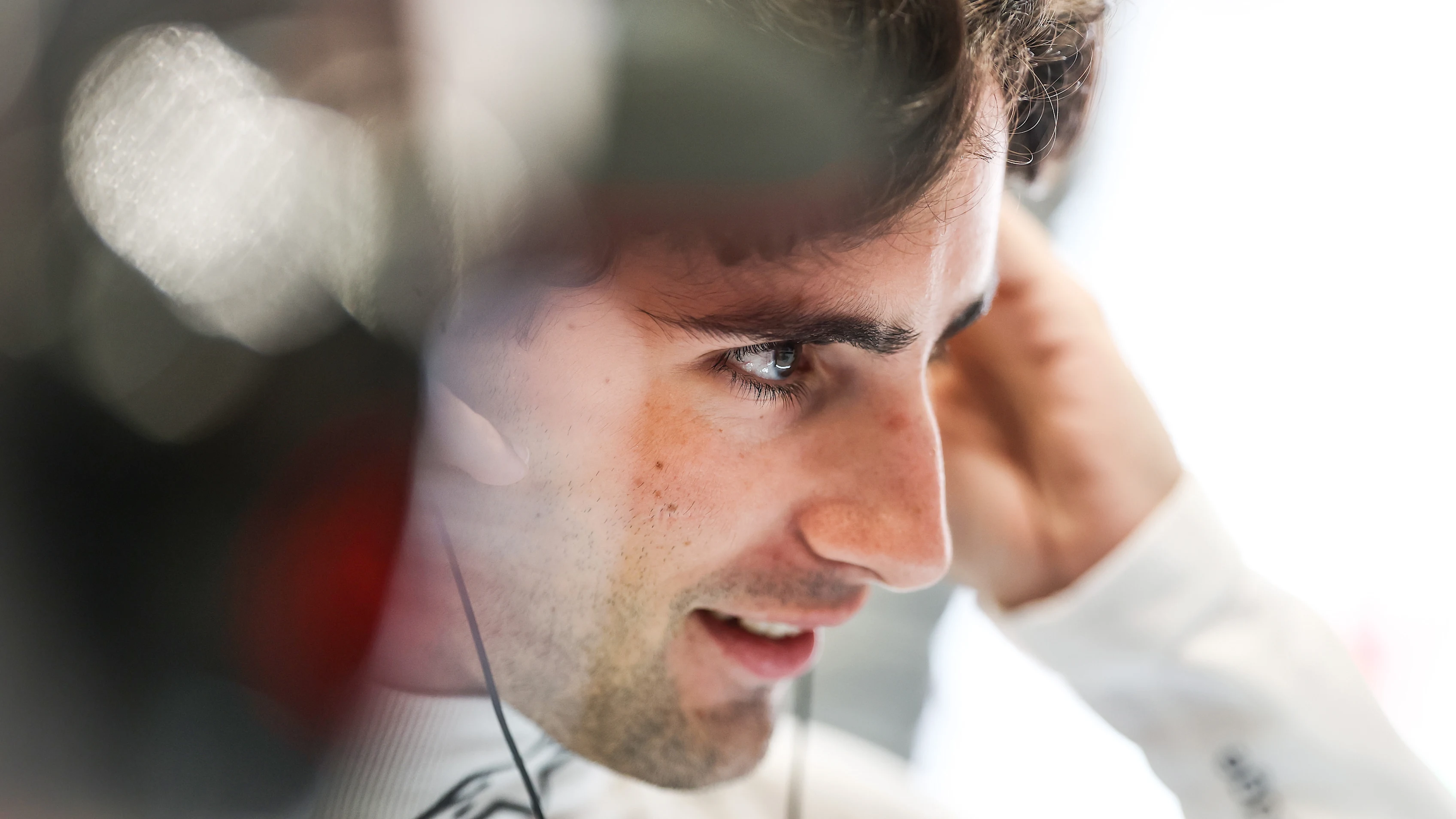
The first two weekends already show how much the surrounding circumstances can distort a rookie's record. São Paulo was the shock introduction: a home debut in changeable conditions, with almost no chance to settle into the slow progression a young driver would ideally receive. Câmara reached the finish in twentieth place. That number tells the result, but it does not describe the challenge of learning the operating window of a 2026 Formula 1 car while the circuit, weather and expectations all move around him.
Las Vegas offered a different kind of difficulty. On the fast street layout, long straights and energy deployment choices can change a battle before the braking zone even arrives. Câmara finished sixteenth after an incident involving Sergio Perez. The stewards found Perez responsible for their collision, and the Cadillac driver's unserved ten-second sanction became a five-place grid penalty for Qatar. There is little value in treating that contact as evidence of a decisive Câmara mistake. The more useful questions concern what he learned about positioning, defensive choices and how to recover from an interrupted race.
Two events are not enough to declare a driver a success or a disappointment. They do, however, supply contrasting reference points. In Brazil, the adaptation challenge was basic familiarity under pressure and poor weather. In Nevada, it involved an unfamiliar high-speed venue, traffic and the impact of an accident outside his control. Together they create a practical briefing for what Haas can target next: smoother preparation in practice, better use of available tyre sets, greater confidence in traffic and clearer decisions about where to spend electrical energy.
The comparison with teammate Oliver Bearman must also be handled carefully. A teammate is the most useful immediate benchmark because he drives broadly the same equipment, but the experience gap is substantial. Bearman has years of additional F1 race mileage, established relationships within the team and a well-developed understanding of the car. An early deficit may narrow through ordinary repetition, not through a dramatic one-session breakthrough. Engineers can learn whether Câmara's feedback is getting more specific and whether his lap-to-lap consistency improves even without a headline result.
One positive from the extended programme is that the team will not have to stop its assessment after a race disrupted by contact. It gets two more circuits, different temperatures and additional practice sessions in which to identify genuine patterns. That is a more reliable way of assessing a new recruit than reading too much into a twentieth and a sixteenth place. If the underlying pace advances and the mistakes reduce, those are useful signs regardless of whether the results deliver points before December.
GOATIFY
GOATIFY Formula 1
Find GOATIFY F1 shirts, hoodies and stickers as the season heads to Qatar and Abu Dhabi.


Qatar and Abu Dhabi must turn extra mileage into a 2027 advantage
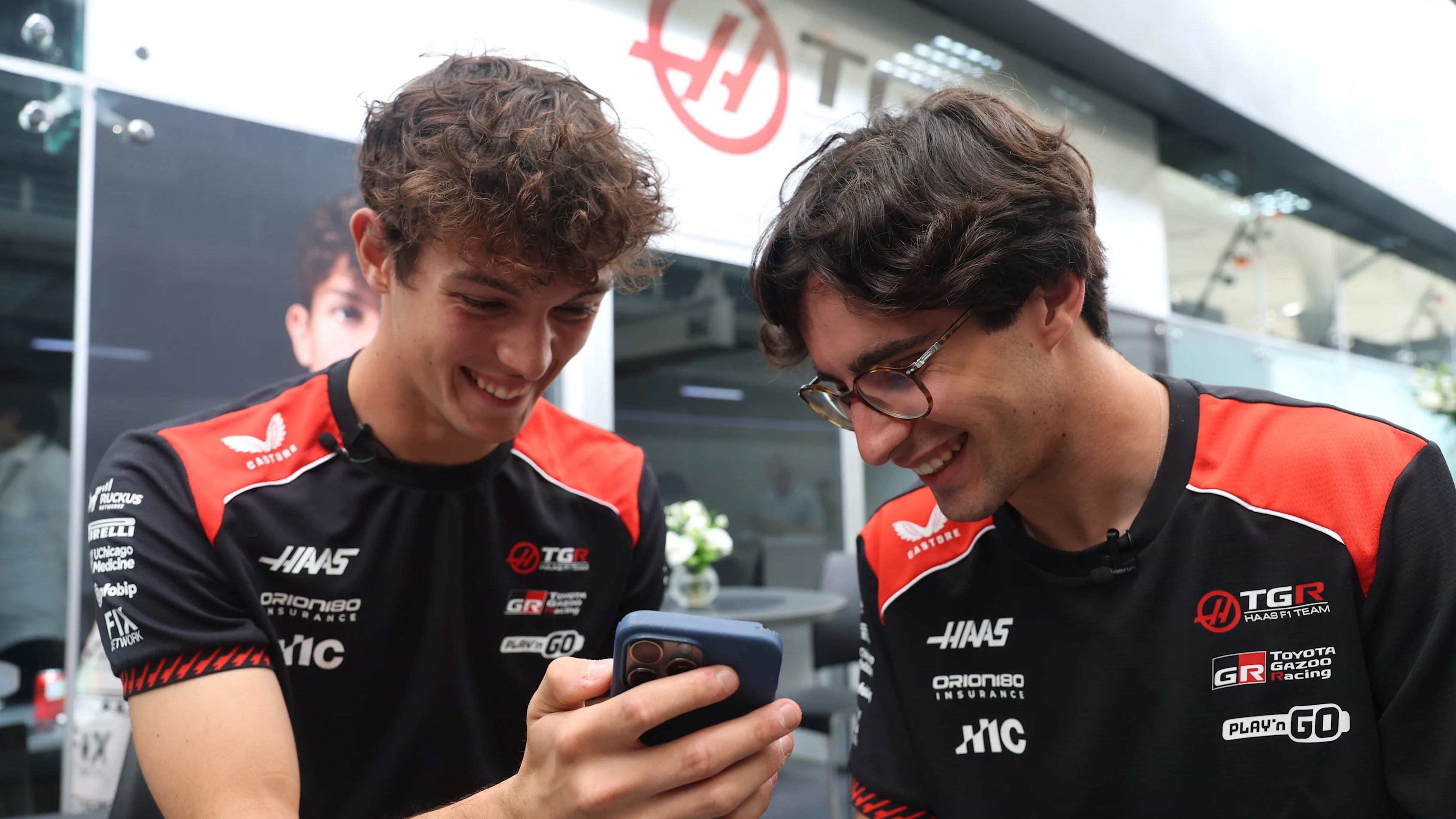
The immediate itinerary is short and demanding. Qatar's Grand Prix weekend runs November 27-29, followed by the Abu Dhabi finale in early December. Both occur alongside the decisive Formula 2 rounds, making it impossible for Câmara to defend his junior-series lead while fulfilling the Haas assignment. The fixed schedule gives his decision meaning: this is not a vague promise of more Formula 1 testing next year. It is a clear choice to take the race seat now, on the two weekends when the other championship reaches its conclusion.
One of the most valuable goals for Qatar is a clean baseline. Haas can compare the rookie's first push laps with longer-run tyre management, assess how confidently he responds to radio advice and see whether braking and energy use become more predictable. The team should also note the difference between adapting to a track and adapting to a car. A driver may learn a circuit rapidly but still struggle to use a complicated power unit efficiently in traffic. Separating those effects is how coaching turns into measurable progress.
Abu Dhabi then offers a final check before the 2027 reset. The team will have feedback from São Paulo, Las Vegas and Qatar to discuss, and the rookie will have spent four complete Grand Prix weekends within its working systems. That accumulation matters for communication as much as speed. When an engineer asks for an adjustment, the driver needs to understand the instruction quickly and describe the result accurately. The same is true of setup choices, race starts and the everyday process of working inside a Formula 1 garage.
There is a broader team interest too. Haas continues its fight with nearby midfield rivals, including Audi, so the closing races are not private tests disguised as Grands Prix. The team needs reliable performances and meaningful competitive effort while helping a newcomer develop. The ideal outcome would pair steady rookie progress with results that protect its position in the constructors' standings. That outcome cannot be assumed. A useful learning weekend and a strong championship points haul may pull in different directions, particularly when the car is not a regular front-runner.
Ultimately, Haas has traded the certainty of two more Formula 2 title attempts for a possibility: that extra Formula 1 experience will make its 2027 recruit more prepared on day one. No result in Qatar or Abu Dhabi can prove the long-term decision correct by itself. But two more weekends can reveal whether Câmara is becoming easier for the team to work with, calmer in traffic and more exact in feedback. Those observations are what will determine the value of the choice when the new season arrives.
Câmara's 2026 story now has two endings running in parallel. In Formula 2, the leader's absence creates an unusual final showdown for Tsolov and the other contenders. In Formula 1, the same absence buys the Brazilian two more starts with the team that has already committed to him for 2027. One championship is being left unfinished by choice; the next chapter is being started ahead of schedule.
The sensible verdict will come later than the final chequered flag. If the additional weekends help Haas understand its recruit and help Câmara understand the team, the decision may prove worthwhile even without immediate points. If it merely adds mileage without a clear development plan, the lost championship opportunity will look more expensive. For now the trade is explicit: Qatar and Abu Dhabi, not the Formula 2 finale, are where Rafael Câmara will spend the rest of his racing season.
GOATIFY
GOATIFY Formula 1
Shop GOATIFY Formula 1 shirts, hoodies and racing stickers.