

The 3 Most Polarizing San Francisco Giants for Rival Fans, Ranked
GOATIFYA great baseball rival can make a perfectly ordinary weekday series feel like the postseason. In San Francisco, that feeling has attached itself to some of the best players ever to wear a Giants uniform. Their achievements are celebrated in the Bay Area, but a supporter sitting on the other side of the diamond may remember them for an entirely different reason. A pitcher who repeatedly shuts down your lineup, a hitter whose records provoke arguments decades later, and a competitor who turns a routine groundout into a confrontation all leave different kinds of marks.
This ranking is deliberately selective. To qualify, a player must have appeared for the San Francisco Giants in an official major league game after the franchise moved west in 1958. Reputation must come substantially from his time with San Francisco, rather than from what he did in a different uniform. We weigh documented incidents, competitive damage to rivals, the breadth of the public reaction and the durability of the memory. This is an editorial ranking, not a survey of fans, and being difficult to play against is not the same thing as being a bad person.
Three players stand out because each represents a different kind of sporting antagonist. Madison Bumgarner combines postseason heartbreak with a very public feud. Juan Marichal's rivalry with Los Angeles includes an incident that went beyond normal competition. Barry Bonds generated a national argument that extended far beyond the National League West. The reasons for their reputations matter at least as much as their order here.
3. Madison Bumgarner — the ace who made rivalry personal
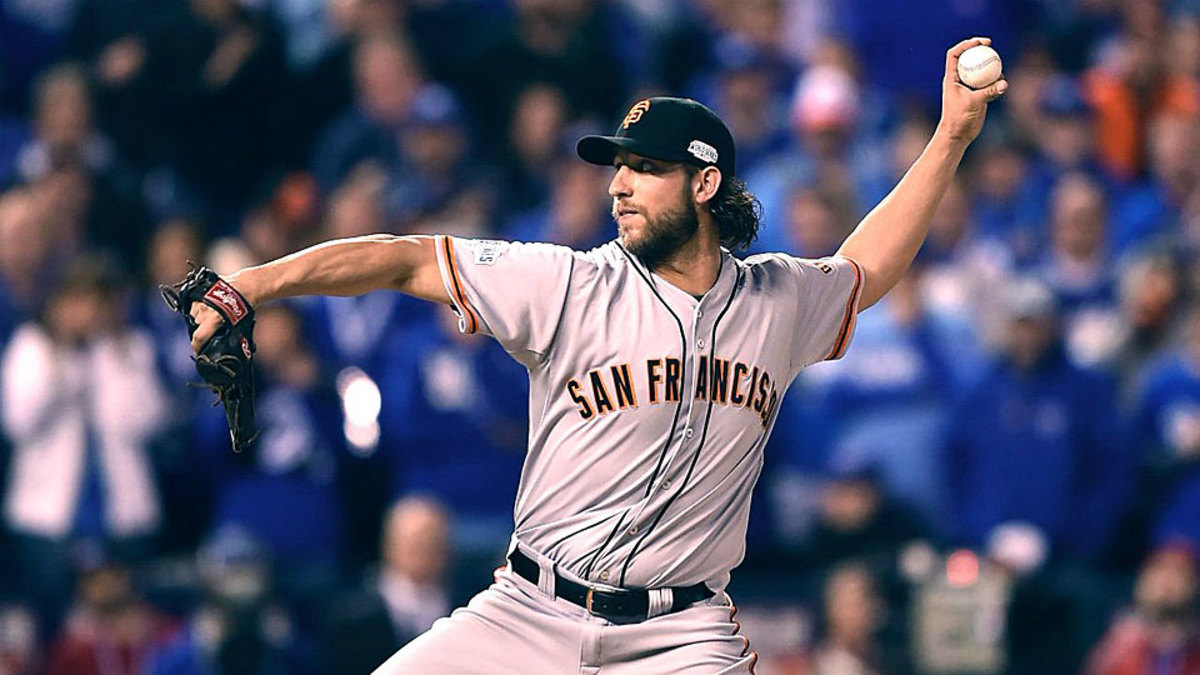
Madison Bumgarner belongs here on two counts. The first is the extraordinary sporting frustration he caused in October. The second is the way his encounters with Yasiel Puig came to represent a broader argument about how baseball should be played. Many excellent postseason pitchers are remembered with admiration even by their opponents. Bumgarner gave some opposing supporters a more immediate emotional reason to root against him.
For Kansas City, the obvious starting point is the 2014 World Series. The Royals had reached the deciding game and were playing at home. San Francisco held a 3–2 lead when Bumgarner entered from the bullpen in the fifth inning. He maintained that advantage through the final out, having already won two starts in the series. It was an exceptional display of endurance, command and competitive consistency, especially because he had pitched a complete game only two days earlier. He was the unanimous choice for series MVP.
Think about the experience from the other side of the field. A championship is still a possibility, the margin is one run and there are five innings left. Normally that presents several chances to force the opposition to change pitchers, expose a vulnerable reliever or find an advantageous matchup. Instead, the same elite left-hander remains in control. Even the late opportunity created by Alex Gordon's hit could not overturn the lead. The competitive frustration is intensified by how close the Royals were to a very different ending.
That is not evidence that Kansas City supporters dislike Bumgarner as a person. It is evidence of a particularly memorable reason to dread seeing his name in an opposing lineup. The World Series performance earns him a place on this list even before considering Los Angeles. He represented the kind of opponent who could make the normal advantages of a home deciding game feel almost irrelevant.
GOATIFY
GOATIFY Baseball
Find gear for October baseball fans.

Gold Baseball GOAT Sticker
A gold baseball GOAT decal for your bottle, laptop or game-day gear.
Shop Now ↗


White Baseball GOAT Sticker
A white baseball GOAT decal for your bottle, laptop or game-day gear.
Shop Now ↗The Dodgers rivalry provides the second part of the case. Bumgarner and Puig repeatedly disagreed over on-field behavior. The pitcher objected to the outfielder's celebration of a home run in 2014; two seasons later, another encounter at Dodger Stadium led to both benches leaving their dugouts. In the latter episode, the immediate baseball play was simply a groundout. The players offered different explanations for the exchange that followed. Dodgers teammates publicly defended Puig, illustrating that the disagreement was not confined to two individuals.
What makes this feud historically interesting is how little it depended on the actual outcome of a single plate appearance. A fan could see the same sequence and interpret it as competitive intensity, an unnecessary provocation or a clash of expectations about sportsmanship. Neither a home run celebration nor an ordinary out requires opposing players to negotiate the unwritten rules of the game. Yet their interactions became events in their own right, with the tension carrying over to subsequent meetings.
For Giants supporters, that edge could be an appealing part of their ace's personality on the mound. For a Dodgers supporter, the exact same behavior could look like an opponent imposing his own standards on someone else's success. There is room for both readings without claiming that either is the universal opinion of a fan base. The lasting rivalry is documented; the way individual fans feel about it is inherently personal.
Bumgarner ranks third because his most prominent controversies were concentrated in particular matchups, rather than a prolonged national debate about baseball's integrity. His postseason accomplishments also command respect independently of the feud. He is a classic example of a sporting villain whose reputation depends heavily on which team you support.
2. Juan Marichal — when a fierce rivalry crossed the line
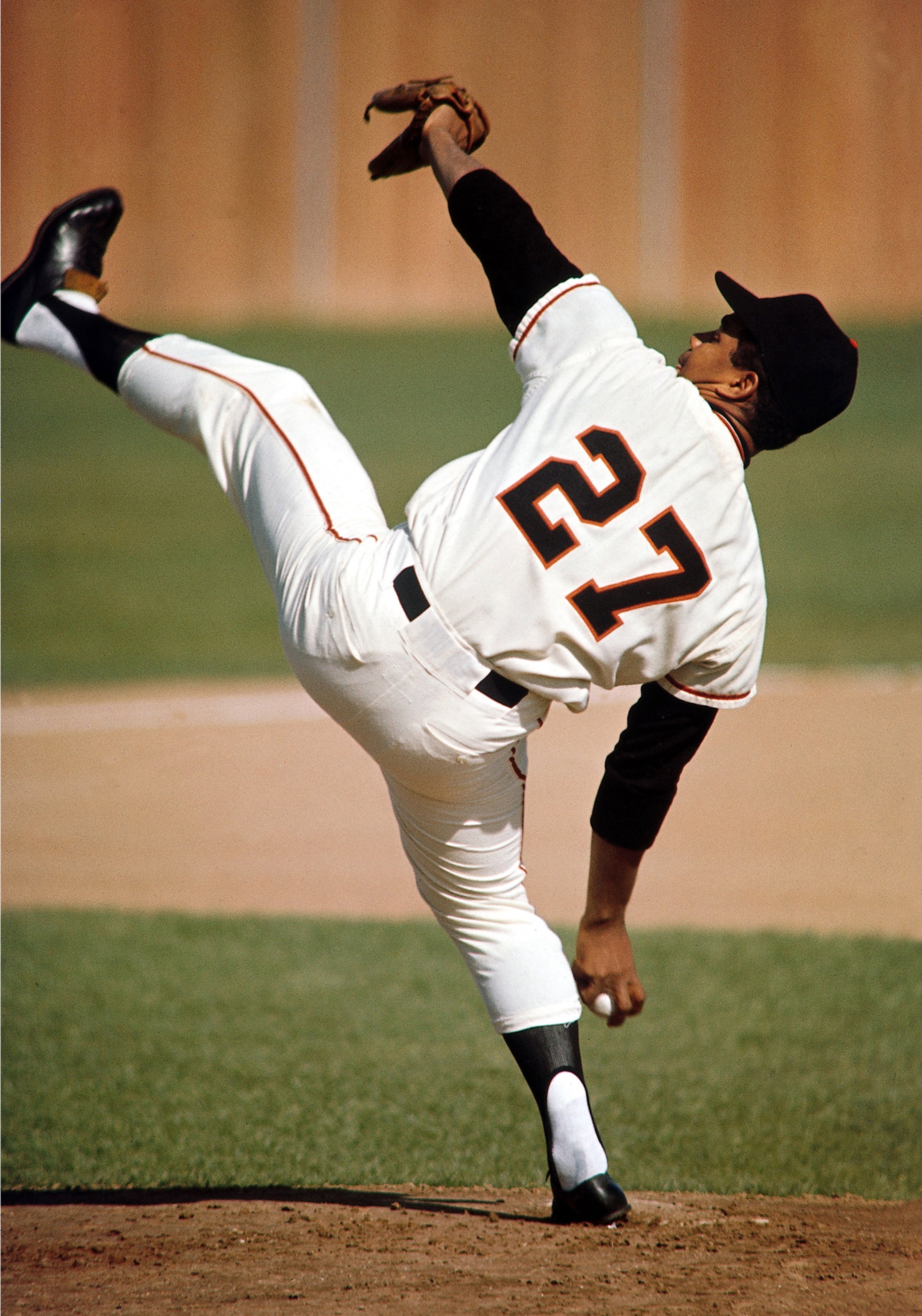
Long before the modern era of social media, Juan Marichal gave the Giants-Dodgers rivalry a combination of outstanding pitching and a serious controversy that still appears in historical accounts. It would be misleading to discuss him only through the most notorious event of his career. He was a great pitcher whose sustained success against Los Angeles provided the sporting backdrop for the rivalry.
Marichal's delivery was instantly recognizable. His high leg lift, ability to change release points and broad selection of pitches made him difficult to read. The Dodgers faced that challenge throughout the 1960s and into the early 1970s. In 63 starts against them, he recorded 37 victories, 18 losses and a 2.36 earned run average. Ten of those starts ended in shutouts. He was especially formidable against Los Angeles at Candlestick Park, where he went 21–4 against the club.
Those results help explain why a rival fan might remember him even without the famous altercation. The rivalry was not an occasional interleague curiosity. It was a recurring test between National League opponents whose encounters could influence the standings. A dominant starter had multiple opportunities to make himself a problem across successive seasons. Marichal did exactly that.
His duel with Warren Spahn in 1963 also offers a useful counterweight to the more controversial part of his story. Two future Hall of Fame pitchers held their opponents scoreless deep into extra innings before Willie Mays hit the deciding home run in the sixteenth. The achievement illustrates a form of competitiveness that did not require personal hostility. Marichal's ability to continue producing outs while his opposite number did the same made the game an enduring piece of baseball history. That version of his rivalry with an opponent is worthy of celebration.
GOATIFY
GOATIFY Baseball
Explore classic baseball fan apparel.

White Baseball GOAT Dad Hat
A white baseball GOAT design for ballpark days and everyday fan style.
Shop Now ↗


Gold Baseball GOAT Sweatshirt
Rep baseball’s greatest with a gold GOAT graphic sweatshirt.
Shop Now ↗

White Baseball GOAT Sweatshirt
Rep baseball’s greatest with a white GOAT graphic sweatshirt.
Shop Now ↗But August 22, 1965, is the date that distinguishes Marichal from a conventional feared opposing ace. During a heated meeting with Los Angeles, he struck Dodgers catcher John Roseboro with a bat. It was an act that exceeded the boundaries of acceptable sporting conflict. There is an important distinction between explaining the tension surrounding a baseball game and using that tension to excuse dangerous behavior. The incident deserves its place in the historical record because the physical harm was real, not because a violent confrontation makes for a more entertaining rivalry.
For the purposes of this ranking, the episode has considerably more weight than an argument over a celebration. It also explains why the reputation of an otherwise extraordinary pitcher could have a sharp edge for people outside San Francisco. A fan can admire the craft required to dominate major league hitters while still regarding a particular act as completely unacceptable. Those judgments are not contradictory.
What happened afterward is equally important. Roseboro and Marichal eventually reconciled. When Marichal initially failed to secure sufficient votes for Cooperstown, Roseboro supported his candidacy. Marichal was inducted in 1983 and later helped honor Roseboro at his funeral. The two men's relationship therefore cannot fairly be reduced to a single image from the 1965 game. Their reconciliation does not erase the act, but it does change how a complete historical account should end.
Marichal takes second place because the incident became an enduring element of the rivalry's identity while his on-field dominance supplied a separate, legitimate competitive reason to fear him. Placing him here is not a claim that modern Dodgers fans must continue the antagonism of 1965. Indeed, the eventual friendship between the two players suggests that maintaining hostility forever is not a requirement for remembering what happened accurately.
1. Barry Bonds — the record breaker who divided baseball
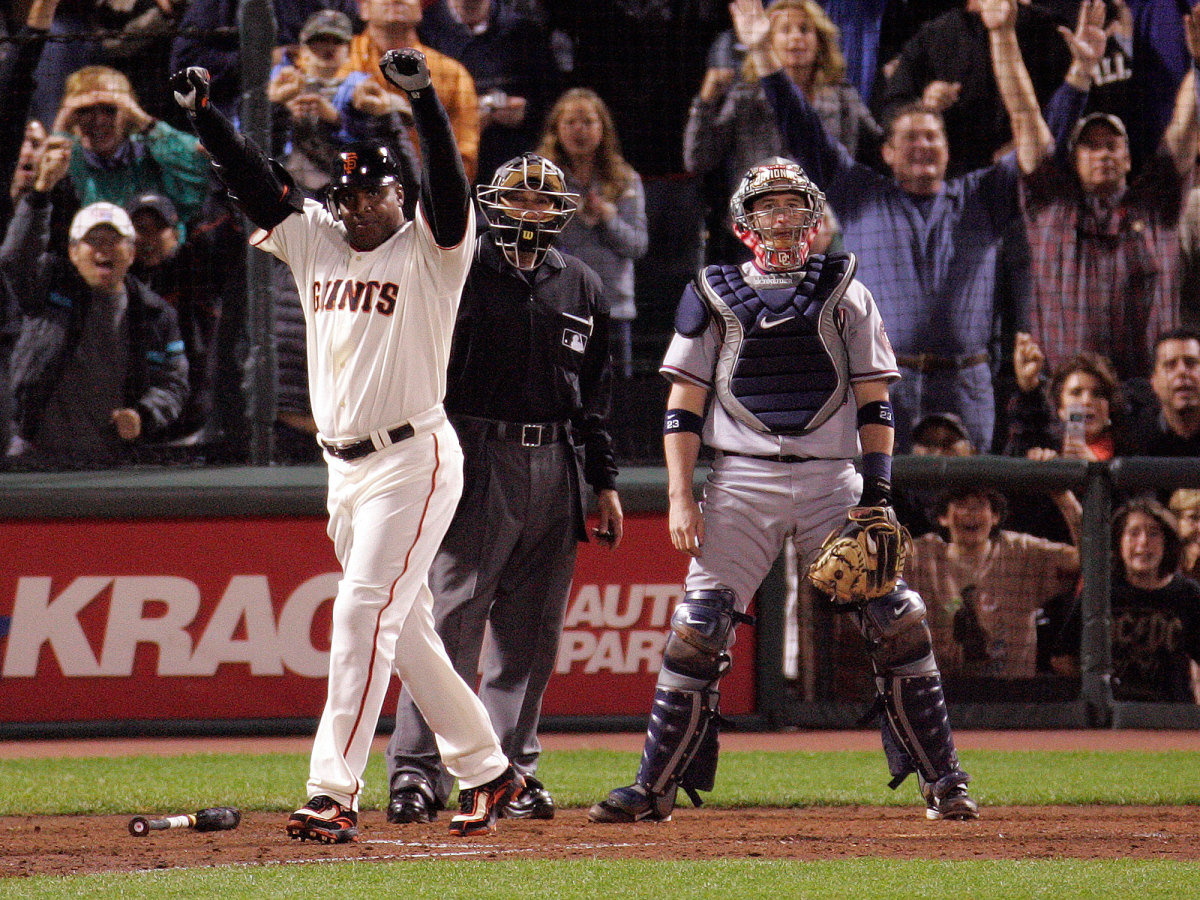
Barry Bonds ranks first because his reputation extended beyond any single opponent. His career home run record became a national conversation about the meaning of a baseball achievement, the legitimacy of records and the sport's response to performance-enhancing drugs. That controversy was layered onto an exceptionally difficult baseball problem for opposing clubs: how to retire an elite hitter without giving him a pitch he could drive out of the park.
In purely competitive terms, Bonds changed the decision a manager faced when a dangerous hitter came to the plate. The usual trade-off is between challenging a batter and risking a damaging hit, or pitching cautiously and risking a walk. Against Bonds, those choices were often dramatically unbalanced. The possibility of a home run could make giving him first base seem like a reasonable result. For a rival fan, that creates a frustrating spectacle even when the batter does not record a hit. A player can influence an entire inning without swinging.
That effect also creates a ripple through the lineup. A pitcher who works around one opponent must then execute against another with an extra runner aboard. A manager who intentionally concedes a base may reduce the immediate threat of a home run while creating a new scoring opportunity. The better the opposing hitter, the fewer satisfactory choices remain. Bonds became a symbol of that strategic dilemma, which is a meaningful part of why his name still provokes strong reactions in baseball discussions.
GOATIFY
GOATIFY Baseball
Celebrate baseball history with GOATIFY.


White Baseball GOAT Sticker
A white baseball GOAT decal for your bottle, laptop or game-day gear.
Shop Now ↗White Baseball GOAT Dad Hat
A white baseball GOAT design for ballpark days and everyday fan style.
Shop Now ↗On August 7, 2007, he hit career home run number 756 against Washington, surpassing Hank Aaron. He did so in front of a San Francisco crowd that celebrated a landmark achievement. The final total reached 762. Yet the reaction to the record outside San Francisco was far from uniform. The broader performance-enhancing-drug controversy surrounding Bonds and the BALCO investigation shaped how the accomplishment was received. Some questioned its place alongside Aaron's record, while others emphasized the official totals and Bonds' exceptional ability.
It is essential to distinguish those issues. The number of officially recorded home runs is a matter of baseball history. How a supporter evaluates that record is a separate judgment. Reporting and evidence presented in the BALCO-related proceedings prompted widespread scrutiny of Bonds. He maintained that he had not knowingly used steroids. Those public disputes, rather than unsupported claims about his private life or personality, explain the polarizing legacy considered here.
The controversy also exposed the limits of comparing one player's career with that of an earlier generation. Baseball did not operate under identical conditions across those eras. League policies, testing, training practices and competitive environments changed. That does not mean all records are meaningless, nor does it mean concerns about unfair advantages should simply be dismissed. It means the official statistical answer and the question of how fans assign historical credit are not necessarily the same question.
For Giants fans, Bonds was also a homegrown connection to a franchise tradition that included his father Bobby and his godfather Willie Mays. It is understandable that a player so closely associated with the team and with years of unforgettable performances would inspire loyalty. A visiting supporter did not share those same memories. The emotional distance between those experiences made the controversy more pronounced.
This is why Bonds is first rather than Marichal or Bumgarner. Bumgarner's defining feud was primarily a rivalry-specific conflict, and Marichal's most controversial moment was a serious incident within that rivalry followed by a documented reconciliation. Bonds' public reputation became entwined with a dispute about the history of the entire sport. For many fans, the discussion is still not resolved simply by reading the record book. His place at the top of this editorial list reflects that unusually broad and durable division of opinion, not a claim that every rival supporter feels the same way.
These three Giants illustrate why a ranking of sporting antagonists is more complicated than counting boos. Bumgarner repeatedly delivered outcomes that opponents desperately wanted to avoid and had a memorable feud with Puig. Marichal combined sustained dominance against Los Angeles with a notorious transgression and a subsequent reconciliation. Bonds was an extraordinary hitter whose records became the center of a debate across the entire sport.
Different criteria would produce a different order. If the ranking concerned only Dodgers rivalry incidents, Marichal would have a strong case for first. If the emphasis were solely on postseason heartbreak, Bumgarner would be difficult to displace. By considering national reach, documented events and the longevity of public disagreement together, Bonds stands apart. None of these judgments requires a fan to deny the players' sporting ability or make personal attacks. The most interesting legacy of a rivalry is often the argument it leaves behind, long after the games themselves have ended.
GOATIFY
GOATIFY Baseball
Shop GOATIFY baseball shirts, hoodies and stickers.


Gold Baseball GOAT Dad Hat
A gold baseball GOAT design for ballpark days and everyday fan style.
Shop Now ↗White Baseball GOAT Sweatshirt
Rep baseball’s greatest with a white GOAT graphic sweatshirt.
Shop Now ↗White Baseball GOAT Sticker
A white baseball GOAT decal for your bottle, laptop or game-day gear.
Shop Now ↗





















