Whyte Wants Wilder in Three Weeks. Cardiff Still Has No Deal.
GOATIFYFor almost a decade, Dillian Whyte and Deontay Wilder have circled a fight without actually having one. The British heavyweight has now offered to fill the empty slot on the December 11 Tyson Fury–Anthony Joshua card in Cardiff after Jai Opetaia withdrew through injury. Whyte says he is already training for a December 18 return and could move his timetable forward by a week. It sounds like a solution that practically writes its own promotional trailer. Yet as of November 23, an offer is not an agreement, and nobody should confuse a public callout with a signed contest.
The timing is what makes this unusually interesting. Wilder was meant to meet an ambitious cruiserweight moving up. Instead, he faces an opponent search with less than three weeks remaining before the Principality Stadium show. Whyte brings an old grievance and a recognizable name, but he also brings the uncomfortable evidence of a first-round knockout defeat to Moses Itauma in August 2025. There is a reason this matchup would draw interest and a reason the people responsible for arranging it must look beyond that interest.
Whyte's central argument is that he would not be arriving unprepared: he already had a return in mind. Wilder's central concern should be whether an available opponent is also the right opponent. Those are different tests. The proposed fight could be one of the most combustible additions to the bill, but until the commercial, medical and sporting arrangements are complete, it remains an idea rather than a booking.
Whyte Waited Years for Wilder — But This Is Not the Old Title Fight
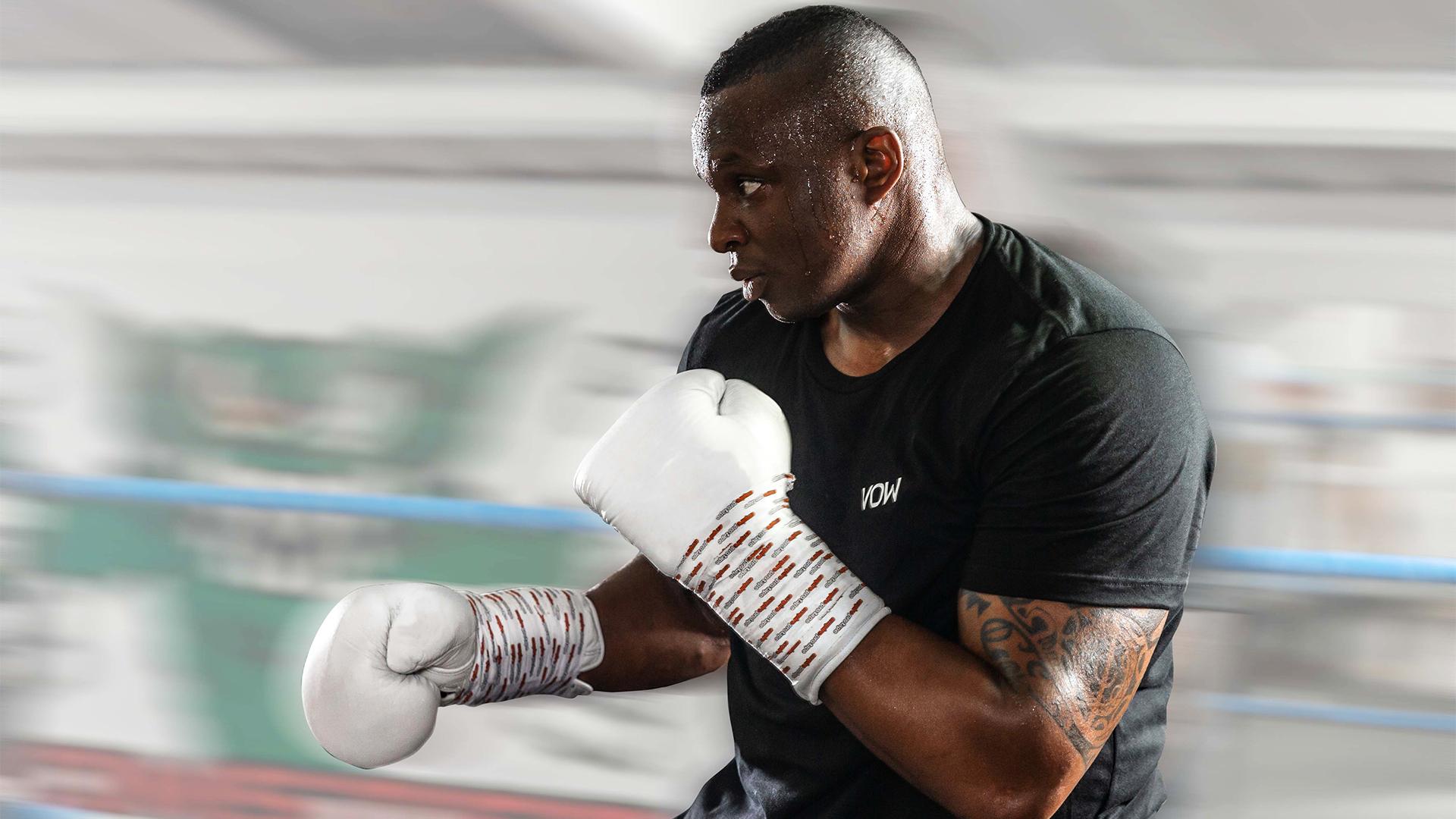
Whyte did not invent this rivalry on a slow news day. During Wilder's tenure as WBC heavyweight champion, the London-based contender spent more than a thousand days near the front of that sanctioning body's queue without receiving the title fight he wanted. Each new callout turned the wait into part of the story. Wilder's right hand was the division's most unmistakable threat; Whyte presented himself as the pressure fighter willing to stand near it. They developed the arguments of a rivalry without settling anything in the ring.
There is a crucial difference between the version of this contest that fans imagined then and the one being discussed now. The earlier idea was a champion defending a belt against a determined challenger. The December proposal is about a former champion who needs an opponent and a former challenger seeking to restart his own career. The history creates an emotional hook, but neither man can claim that a past ranking or a ten-year-old debate proves what would happen in the present.
Whyte eventually got a world-title opportunity against Tyson Fury in 2022 and was stopped inside six rounds. His career has also included dangerous setbacks against Alexander Povetkin and, most recently, the rapid defeat to Moses Itauma in 2025. He has not contested another professional bout since that stoppage, according to the current reporting. That matters more than any dispute over who should have fought whom during Wilder's championship years. In a heavyweight contest, an old grudge can motivate a fighter, but it cannot protect him from a clean punch.
GOATIFY
GOATIFY Boxing
Explore GOATIFY boxing gear while revisiting Whyte's long pursuit of Wilder.


His offer also has one credible practical advantage. Whyte said he was already preparing for a bout on December 18, so the possible Wilder date would require shifting his schedule by a week rather than building a camp from nothing. That statement is evidence of intent, not independent proof of his conditioning or medical readiness. The time since the Itauma defeat leaves unanswered questions about his reactions, stamina and confidence against a feared finisher. A prospective promoter can investigate those issues; a viewer cannot determine them from a quotation.
Whyte believes his mentality and style can trouble Wilder. It is a coherent self-assessment for a fighter known for wanting to close distance and impose physical exchanges. It is not a prediction the evidence forces us to accept. What would make the pairing worthwhile is precisely the collision between an old confidence and a changed competitive reality. The unsolved feud still deserves attention, provided the event does not sell nostalgia as certainty.
Opetaia's Hand Injury Turned Wilder's Cardiff Fight Into an Opponent Search

The opening exists because Jai Opetaia withdrew from a planned heavyweight bout against Wilder. The Australian, a high-level cruiserweight with an aggressive style and championship credentials, was forced out after a hand injury. A Wilder–Opetaia matchup would have asked whether a technically accomplished smaller fighter could carry his strengths into a contest against one of heavyweight boxing's biggest punchers. Removing him does not simply create a blank square on a poster. It changes the type of opponent, the preparation required and potentially the purpose of Wilder's appearance.
That distinction is why a replacement should be assessed on more than name recognition. A fit boxer who was already training for a December date is valuable. A boxer with current competitive sharpness against heavyweights is valuable in a different way. A former world-title contender whom fans recognize may help sell the event, but he also needs an honest assessment of what he can produce. The temptation is to collapse all three questions into one: is he available? Availability is necessary; it is not sufficient.
Whyte is not the only name in circulation. Derek Chisora, who lost a twelve-round split decision to Wilder in London in April 2026, has been discussed as a rematch option, although financial terms were an obstacle in public comments. Jarrell Miller has said he was contacted, and reporting around Martin Bakole has brought another possible heavyweight into the conversation. A promoter expressing confidence in a prospective opponent is not the same as both boxers signing the necessary paperwork. As of this report, none of those claims should be turned into a confirmed matchup.
Chisora offers the advantage of familiarity with Wilder. Their April contest provided twelve rounds of relatively recent evidence about how they deal with each other, and Chisora remains licensed in Britain according to reporting this week, subject to the usual requirements. But the idea of an immediate rematch comes with questions about physical wear, motivation and money. A fresh opponent could create more tactical uncertainty and appeal to fans who would rather not watch another chapter of a bout they have already seen.
GOATIFY
GOATIFY Boxing
Browse boxing-inspired styles as the December Cardiff card seeks a replacement opponent.
Opetaia's withdrawal should also temper the tone. It is easy to speak of the vacant place as an opportunity for somebody else and forget why the place became vacant. His reported hand problem is a sporting setback, not an editorial convenience. Whoever is selected will need to be evaluated under the conditions of the newly arranged fight, not against the excitement surrounding the abandoned cruiserweight-versus-heavyweight experiment.
The Whyte–Wilder Styles Clash Is Dangerous for Both Men
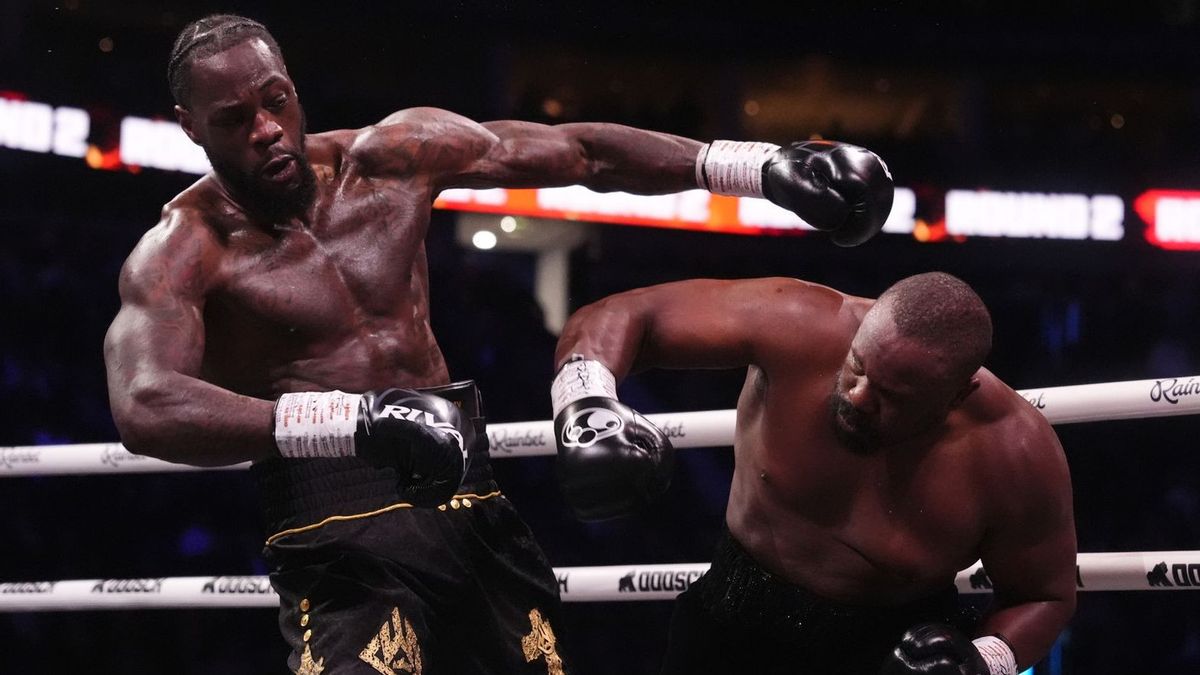
On paper, the tactical outline of Whyte–Wilder is not difficult to draw. Whyte has made his career by moving into uncomfortable territory, working at close to middle distance and demanding exchanges. Wilder's greatest weapon is the straight right hand, delivered with enough speed and leverage to punish an opponent who misjudges the entry. The matchup would reward the fighter who can impose his preferred range without becoming predictable. That is much more challenging than the familiar shorthand of pressure versus power.
Whyte cannot simply walk forward and assume aggression will solve the distance. Wilder has spent years inviting opponents to cross the space where his right hand is most damaging. A heavy lead-foot approach without head movement or a varied jab makes that journey easier for him. Whyte would have to build his attacks behind feints, disrupt Wilder's feet, make the American reset and avoid staying in a straight line when the bigger punch comes. The body shots that are often associated with his style could matter, but only after he has earned a safe enough position to throw them.
The question from Wilder's side is whether he can keep that distance consistently. His April 2026 fight with Chisora went twelve rounds and ended in a narrow decision, illustrating both his continuing danger and the limits of expecting one clean right hand to settle every problem. A sustained pressure attack can ask Wilder to spend more time defending, clinching and choosing exits than he wants. Yet Whyte's recent knockout loss gives Wilder an obvious incentive to test his reactions early rather than enter a long tactical argument.
There is also a training asymmetry. Whyte says he is already in camp, but his planned December 18 opponent would not necessarily require the same approach as Wilder. Preparing for an unfamiliar heavyweight is never ideal on compressed notice. Wilder, meanwhile, had been preparing for Opetaia, a cruiserweight whose stance, rhythm and ring ambitions differ significantly from those of an established, physically imposing British heavyweight. Both camps would have to revise sparring priorities and game plans, while making sure the fighters do not confuse a fast adjustment with adequate preparation.
That makes a prediction especially unreliable. Whyte has the experience to create difficult stretches, and Wilder has the explosiveness to invalidate a promising round with one exchange. Their historic feud would make a compelling occasion, but the more important unanswered question is how much of their best boxing remains available in December 2026. A short-notice signing tells us they can reach an agreement; it does not answer that competitive question.
GOATIFY
GOATIFY Boxing
Shop GOATIFY fight-day favorites while weighing Wilder's power against Whyte's pressure.
Fury–Joshua Needs a Properly Signed Undercard Fight, Not Another Rumor
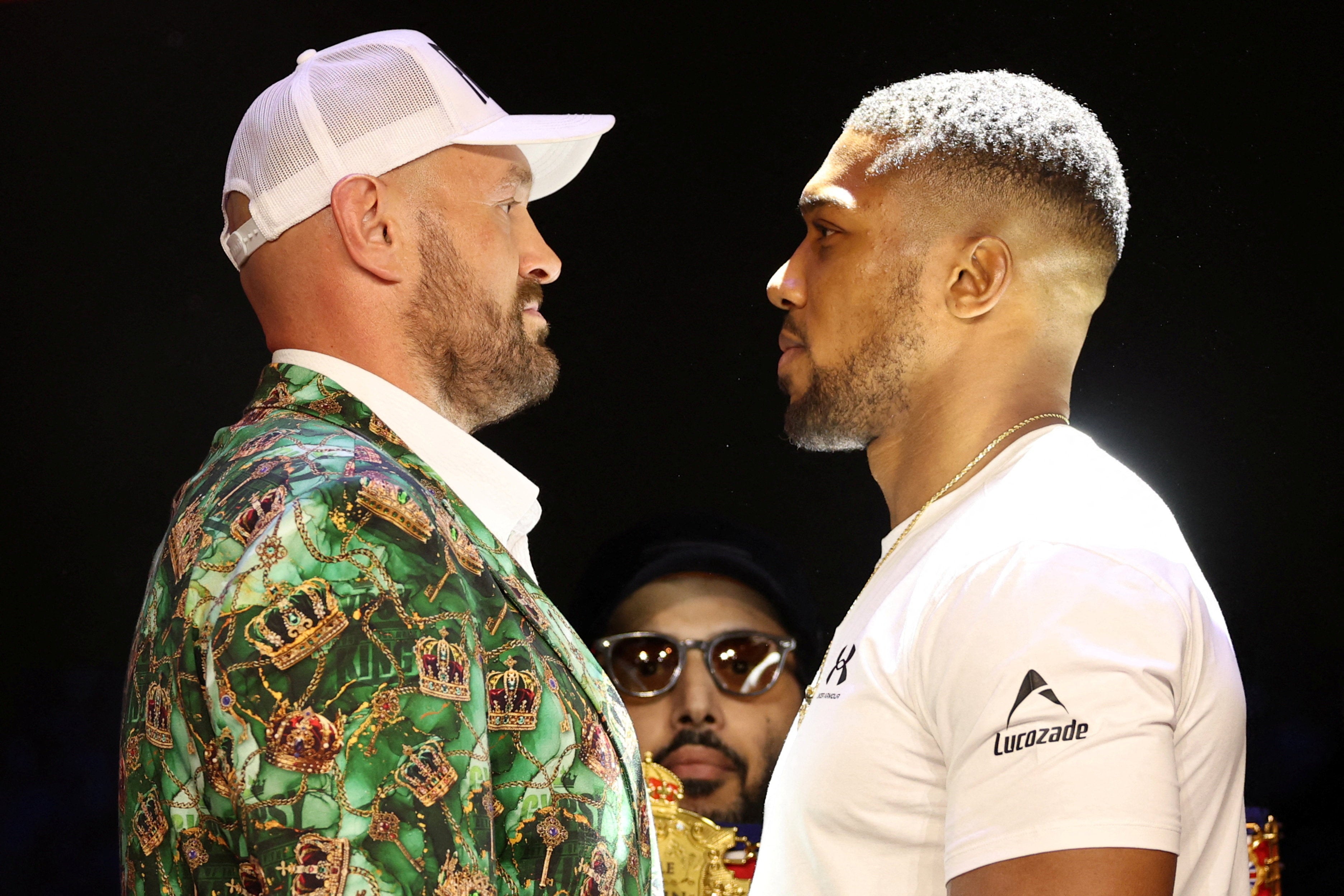
The location and main event make this a more complicated decision than an ordinary replacement on a regional card. Tyson Fury and Anthony Joshua are scheduled to meet on December 11 at Cardiff's Principality Stadium after years of talk about a contest between Britain's defining heavyweights. Their event has its own commercial scale, promotional narrative and expectations. A recognizable supporting bout could enrich the evening, while an uncertain or poorly prepared supporting bout could become an entirely avoidable distraction.
The sensible route is straightforward in principle: agree terms, confirm the fighters' health and readiness, secure the appropriate regulatory approvals and communicate a definite matchup only when the required signatures exist. Those steps can be difficult under a countdown measured in weeks rather than months. Financial demands may rise because an opponent knows the promoter is short of time; medical and training assessments cannot responsibly be accelerated just because tickets and broadcast plans already exist. And a card can still deliver a major main event without pretending every undercard problem has been solved.
Whyte makes sense from a promotional perspective. He has long wanted Wilder, he has a distinctive public voice, and a British heavyweight arriving in Cardiff to pursue a fight he once chased as a title contender is easy for fans to understand. He also has significant unanswered sporting questions. Chisora makes sense because of the already established rivalry with Wilder, but he fought him only months ago and has raised questions about the offer's value. Other potential replacements may look attractive in the gym or rankings without having the same drawing power. There is no risk-free choice.
For Wilder, the decision has implications beyond the supporting slot. A decisive performance against an appropriate opponent would help define the next stage of his career. An unconvincing outing, a controversial matchmaking choice or another aborted booking would leave the questions created by his recent fights unresolved. For Whyte, the chance could reopen conversations that closed after the Itauma defeat, but accepting a name as dangerous as Wilder on short notice carries a risk far greater than missing a promotional opportunity.
Neither the great heavyweight history of the proposed matchup nor the star power of Fury–Joshua should obscure the basic reporting fact: Whyte has volunteered, not been announced as Wilder's opponent. Fans can enjoy the possibility while waiting for official confirmation. The most useful next development will not be another callout. It will be a verifiable agreement that gives both fighters a real, properly prepared fight.
Whyte against Wilder is the sort of unfinished boxing argument that can survive years without losing its appeal. The proposed December 11 date gives that argument a new urgency, and Whyte's existing December training plan makes him more than a purely speculative name. But a ten-year grudge cannot replace the practical demands of selecting and preparing an opponent after Opetaia's injury.
The question for Cardiff is not whether Whyte and Wilder would generate attention; they would. It is whether the bout can be completed and contested on sound terms. Until it is formally agreed, the accurate headline remains an offer, not a fight. Fury and Joshua still supply the evening's main attraction. Wilder's undercard opponent remains a decision waiting to be made.
GOATIFY
GOATIFY Boxing
Shop GOATIFY boxing shirts, hoodies and stickers.